
A Curriculum That Lost Its Roots and the Path Back to Light By Rahmat Wibowo From InfraLoka
A deep analysis of Indonesia's failing education system, lessons from Finland, India, and Japan, and a roadmap for reform grounded in Nusantara values from the glory of Srivijaya and Majapahit to a prosperous Indonesia Maju.
Ki Hajar Dewantara & The Philosophy That Was Abandoned
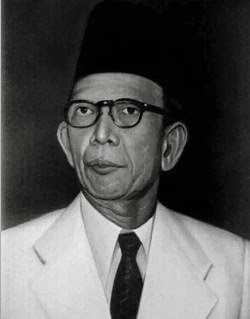
Born Raden Mas Soewardi Soerjaningrat on 2 May 1889, he renounced his aristocratic title to stand with the common people and founded Taman Siswa in 1922, a culturally rooted school system that outlasted Dutch colonialism, Japanese occupation, and survived into the republic era.
Ki Hajar believed that education is the internalization of cultural values into the soul of the child not the mere transfer of facts. His Sistem Among framework respected each child's natural potential: teachers are not rulers but pamong (guardians) who lead by example at the front (ing ngarsa sung tuladha), kindle motivation in the middle (ing madya mangun karsa), and support independence from behind (tut wuri handayani).
"True education is the effort to internalize the values of civilization into the souls of children, with the aim of shaping whole human beings body and spirit alike."
Taman Siswa stood on three pillars: (1) local culture as the foundation not blind adoption of Western models; (2) freedom of thought as wide as possible for every student; (3) national independence from the grip of colonial schooling. Taman Siswa survived three distinct political eras precisely because it was rooted in Javanese and Indonesian cultural soil.
The tragedy is that his legacy today exists more in policy documents than in actual classrooms. Indonesia's national curriculum has been overhauled with each change of government, while the cultural-value essence he fought for is repeatedly crowded out by standardized testing pressure and short-term political interest.
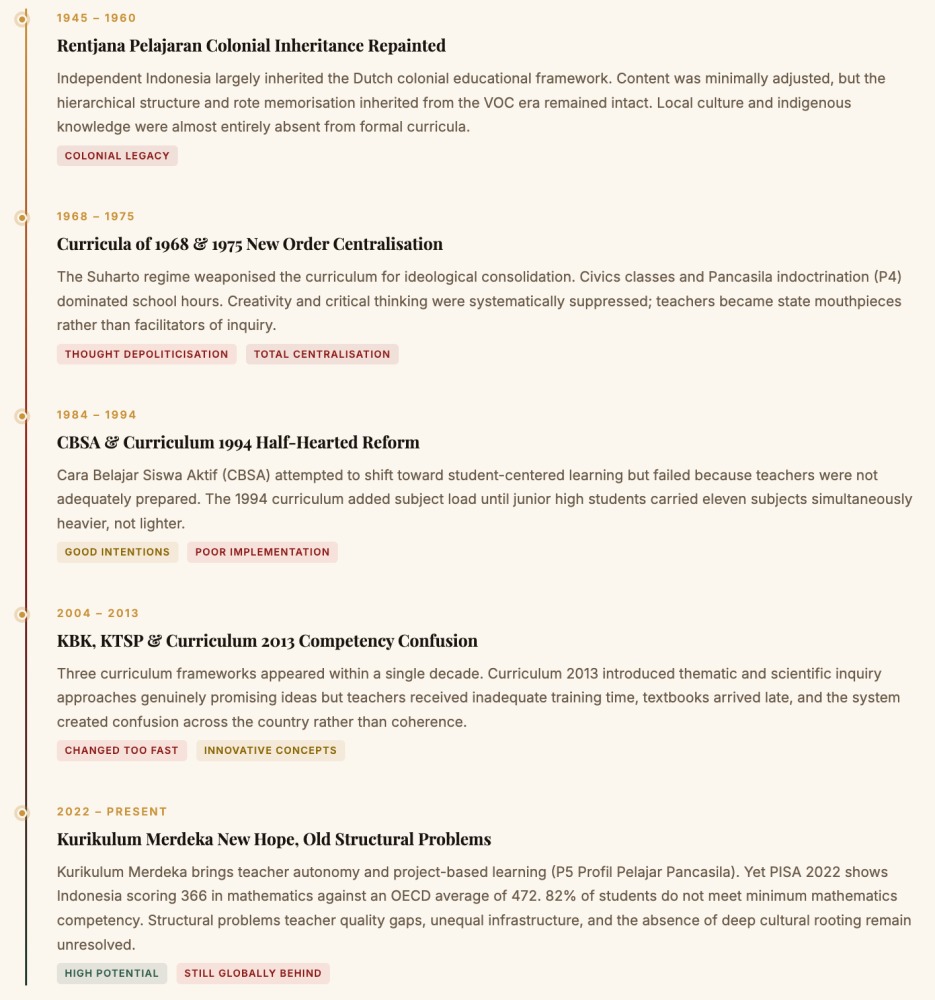
Eleven Overhauls, Still Searching for an Identity
Since independence Indonesia has changed its national curriculum more than eleven times averaging once every five years. Almost every change of government has brought a curriculum reset, turning education into a political experiment rather than a generational civilisation project.
Why Does It Keep Failing? Five Structural Root Causes
① Curriculum Without Cultural Roots
Foreign models (Western, OECD) are adopted wholesale without deep adaptation to the values and context of the Nusantara.
② Politicisation of Curriculum
Every new minister brings a new curriculum education becomes a casualty of the five-year political cycle.
③ Underprepared Teachers
Teacher training is shallow, rushed, and non-continuous. The welfare of contract teachers (honorer) remains alarming.
④ Access Inequality
43% of Indonesian students come from the lowest socioeconomic quintile. The urban-rural infrastructure gap is vast.
⑤ Memorisation vs. Critical Thinking
Assessment still rewards rote recall. Higher-Order Thinking Skills (HOTS) are aspirational in policy but marginal in practice.
What Finland, India, and Japan Teach Indonesia
None of the three succeeded by copying foreign models wholesale. Each made its own cultural values the foundation of its education system and that is precisely what made their reforms sustainable.
🇫🇮 Finland
Equity, Trust, and Joy of Learning
Finland's national core curriculum is not a rigid prescription it is a value framework that flows into every teaching decision. Core values enshrined in law: human dignity, democracy, equality, cultural diversity, and sustainability. There are no national standardised tests for students. Teachers are trusted fully as autonomous professionals.
From the 1970s reforms, Finland needed twenty years of close monitoring before granting teachers full pedagogical autonomy. This was not revolution it was patient, systematic evolution grounded in evidence.
Value-based curriculum Teacher autonomy No national testing 20 years of consistency
Lesson for Indonesia: Values cannot be built in one ministerial term. Real transformation demands cross-government commitment measured in decades, not election cycles.
🇮🇳 India
Diversity, Scale, and Cultural Rooting
India, with cultural and linguistic diversity that closely mirrors Indonesia's, faces strikingly similar challenges. Its National Education Policy 2020 returned to a holistic, culture-based approach mother tongue as the medium of early instruction, local crafts and arts integrated into the curriculum, community values at the centre.
India explicitly positions its linguistic and cultural diversity as a strength, not an obstacle. Schools are encouraged to embed local wisdom into teaching rather than imposing a single national template across a continent-sized country.
Mother tongue instruction NEP 2020 holistic Family & community values
Lesson for Indonesia: Indonesia's 300+ regional languages are not a logistical problem they are an extraordinary pedagogical asset waiting to be unlocked.
🇯🇵Japan
Discipline, Harmony, and Holistic Character
Post-WWII Japan rebuilt its education system while staying rooted in Japanese cultural values: wa (harmony), gaman (perseverance), respect for others, and diligence. American democratic reforms were adopted but filtered through a local cultural lens the result was distinctly Japanese, not imported.
Students clean their own classrooms daily no janitors in most public schools. This is not housekeeping; it is character education in humility, shared responsibility, and collective pride. MEXT sets a unified national curriculum ensuring equity, yet teachers retain wide pedagogical freedom within it.
Cultural wa & gaman National equity curriculum Holistic character building Culture as reform engine
Lesson for Indonesia: Indonesia's gotong royong, musyawarah, and tepo seliro are direct cultural equivalents of Japan's wa. They simply need to be institutionalised with genuine seriousness.
The Common Thread Across All Three
Finland, India, and Japan did not import an education model wholesale. Each began from values already alive within their own societies and built their systems on that foundation. Indonesia possesses a heritage of values older and richer than most it has simply not yet had the political will to make that heritage the true basis of national education.
From Srivijaya to Bhinneka Tunggal Ika Seven Centuries of Scholarly Heritage
Before colonialism severed the chain of civilisation, the Nusantara archipelago was a world centre of learning. A curriculum grounded in Indonesia's own history must begin here not from Western textbooks that largely erase this legacy.
Srivijaya
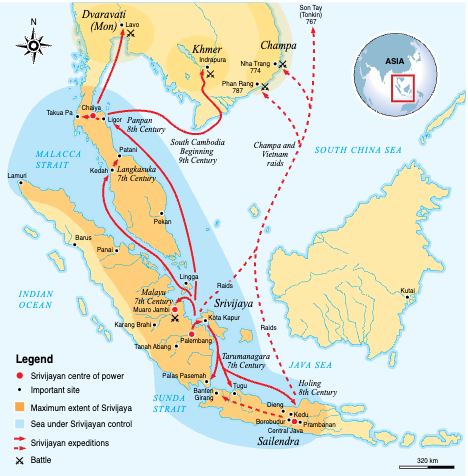
7th – 13th Century CE · Sumatra
Chinese monk Yijing visited Srivijaya in 671 CE and explicitly recommended it as a world-class centre of Buddhist learning scholars from across Asia stopped here before proceeding to India itself. Srivijaya did not merely dominate maritime trade routes; it dominated the routes of knowledge exchange.
Srivijaya's mandala system of governance enabled cultural heterogeneity under a single maritime authority a working prototype of Bhinneka Tunggal Ika operating fourteen centuries before Indonesian independence.
"Srivijaya's lesson: scholarship flourishes when trade, diversity, and openness are embraced not when a single ideology is imposed on all."
Global Buddhist Centre of Learning Mandala Governance Cross-Civilisation Knowledge Exchange
Majapahit
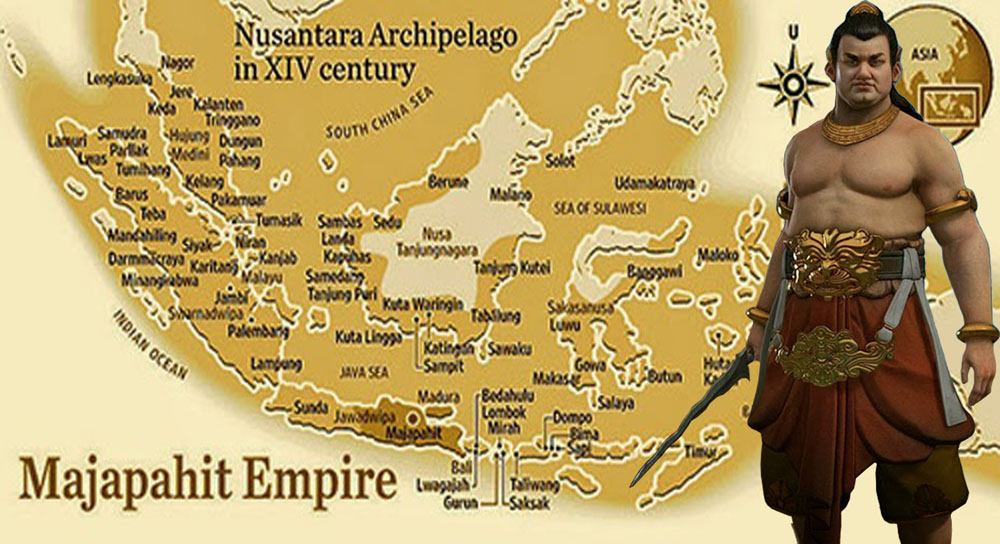
13th – 15th Century CE · Java
Under Patih Gajah Mada and King Hayam Wuruk, Majapahit became the most expansive maritime empire Southeast Asia had seen, encompassing most of the archipelago and beyond. Multiple faiths Hinduism, Buddhism, Islam, and local beliefs coexisted under one sovereign authority.
The phrase Bhinneka Tunggal Ika ("Unity in Diversity") emerged from Mpu Tantular's kakawin Sutasoma during the Majapahit era not a hollow motto, but a lived political principle that enabled the empire to flourish for over two centuries. Literature, wayang shadow theatre, temple architecture, and legal codes all show a civilisation that treated knowledge as a pillar of power.
"Majapahit's lesson: unity within diversity is not a threat it is the greatest source of strength a nation can possess, as two centuries of prosperity proved."
Bhinneka Tunggal Ika Religious Pluralism Literature & Art as Civilisational Pillars
A History-Based Curriculum Framework Proposed Structure
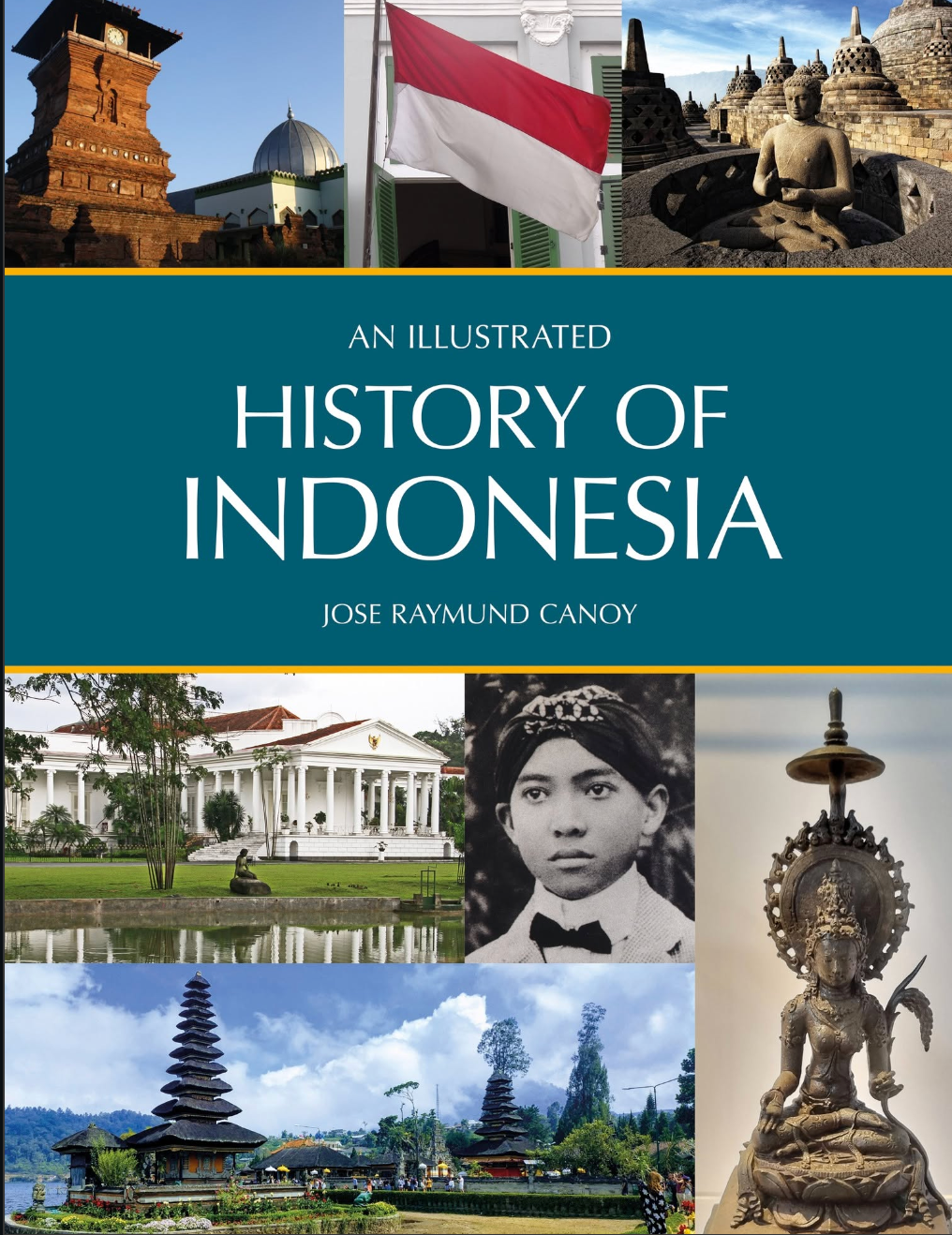
Primary School: Local Roots
Regional folklore, mother tongue, gotong royong values, ecological wisdom, traditional arts as the primary medium of learning.
Junior Secondary: Nusantara Civilisation
Srivijaya as a knowledge hub, Majapahit as a model of pluralism, the Spice Route as integrated geography and economics in action.
Senior Secondary: Unity & the Present
From Sumpah Pemuda to the digital era connecting Bhinneka Tunggal Ika's values to the challenges of globalisation and artificial intelligence.
Higher Education: Culturally Rooted Innovation
Research that answers Indonesia's actual challenges, technology built from local values, and ethical leadership grounded in Pancasila.
Dasa Darma Pramuka Ten Character Pillars for the National Curriculum
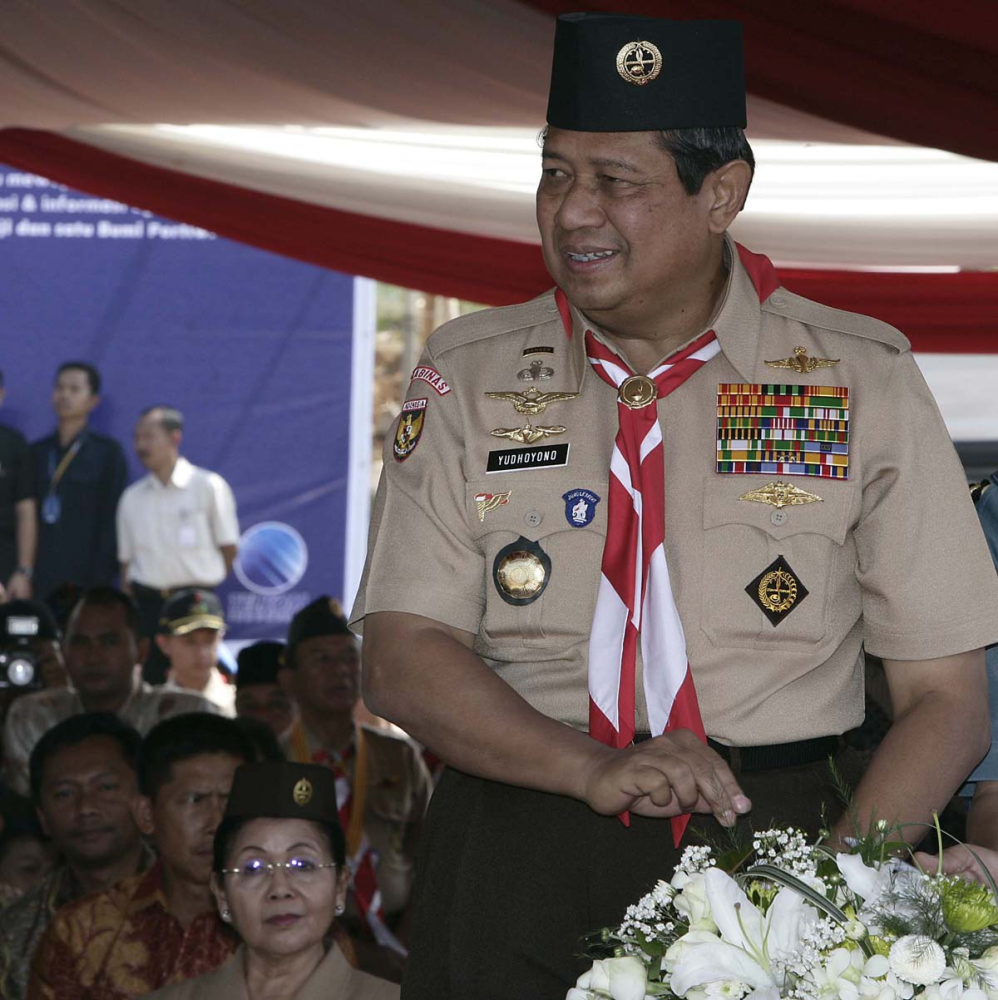
The Dasa Darma is far more than a scout code of ethics it is a holistic value system proven over decades in building the character of Indonesian generations. It is time these ten principles were explicitly integrated into the national curriculum, not confined to optional extracurricular hours.
Piety to God Almighty
Interfaith spiritual formation that builds transcendent awareness and moral ethics a foundation that goes far deeper than religious memorisation.
Love of Nature & Fellow Humanity
Ecological literacy and social empathy two of the most critical 21st-century competencies, already embedded in Nusantara values for centuries.
A Courteous and Chivalrous Patriot
Nationalism rooted in ethical responsibility not chauvinism, but a pride grounded in justice and accountability to the whole of society.
Obedient and Fond of Deliberation
The value of musyawarah mufakat democratic consensus-building that aligns with Indonesia's cultural roots and is vital for civic education.
Willing to Help and Steadfast
Gotong royong and resilience two character traits that distinguish excellent Indonesian citizens in an increasingly competitive global ecosystem.
Diligent, Skilled, and Cheerful
A work ethic fused with the joy of learning the antithesis of rote memorisation systems that extinguish children's natural curiosity.
Frugal, Careful, and Modest
Financial literacy and conscious consumption critical competencies in an era of global consumerism and surveillance capitalism.
Disciplined, Brave, and Loyal
Ethical and trustworthy leadership national leadership competencies that must be cultivated from the earliest years of schooling.
Responsible and Dependable
Integrity as a core competency Indonesia's corruption crisis is not a legal failure alone; it is a failure to internalise this value in childhood.
Pure in Thought, Word, and Deed
Total honesty and integrity the foundation of a healthy civil society and a sustainable innovation ecosystem for the future.
Integration Recommendation
The Dasa Darma must be elevated from "optional extracurricular" status to an explicit character competency framework embedded across every subject. Mathematics teaches data integrity (Darma 9). Biology teaches love of nature (Darma 2). History teaches ethical patriotism (Darma 3). Economics teaches modesty and financial literacy (Darma 7). This is not additional burden it is meaningful, cross-disciplinary integration of values that Indonesia already possesses.
Infraloka Pathway-AI Artificial Intelligence for a Culturally Rooted Education
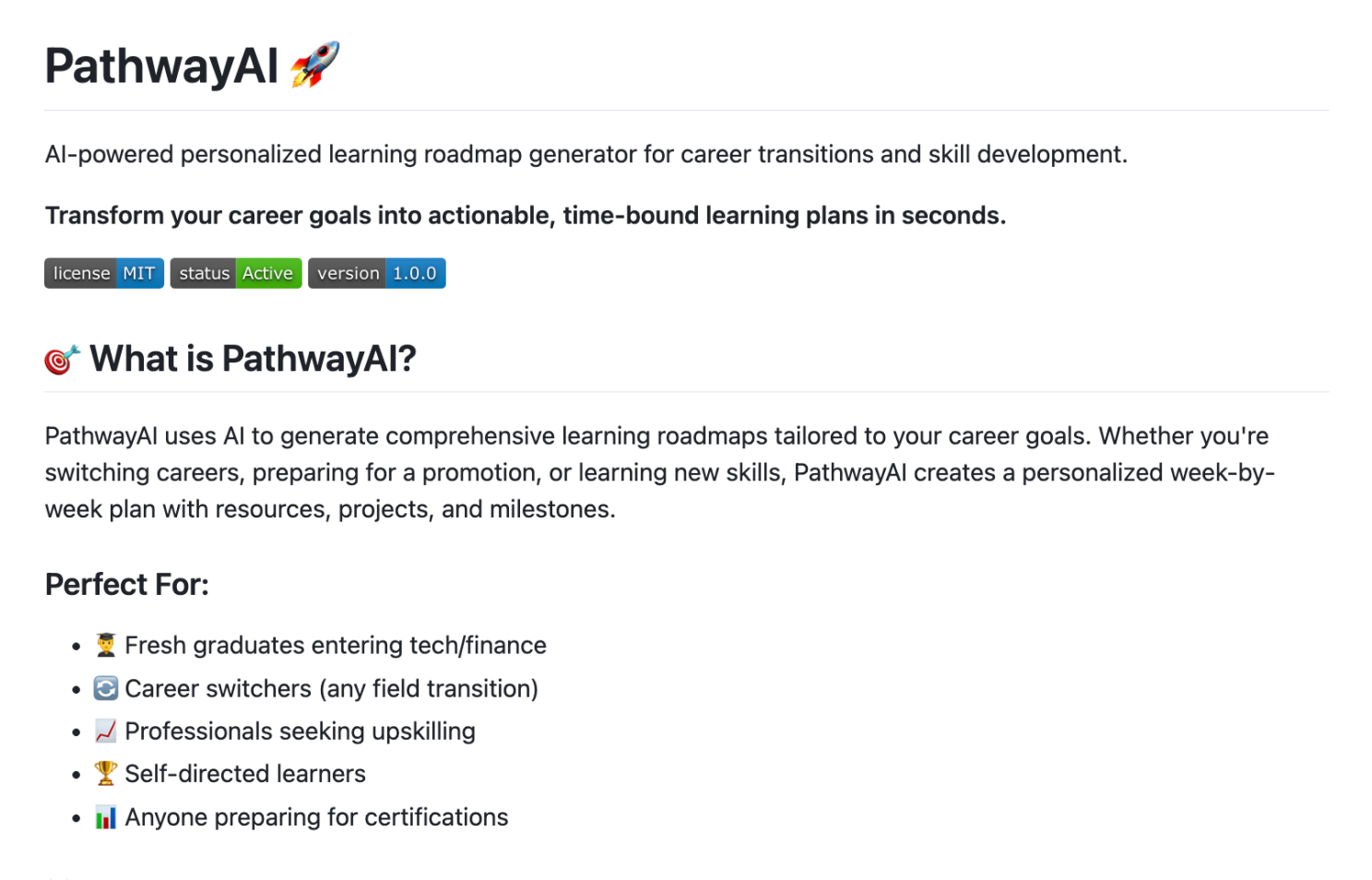
Artificial intelligence is not a magic solution but designed with the right values, it can serve as a bridge between the scholarly heritage of the Nusantara and the competency demands of the 21st century. Infraloka builds Pathway-AI as a concrete contribution to the future of Indonesian education.
Nusantara Values + AI Curriculum Framework
Pathway-AI · Infraloka · Rahmatan lil Alamin · Open Source
🌿 Cultural Roots
Curriculum begins from local values regional languages, ecological wisdom, Nusantara history. AI makes this content interactive and relevant for Generation Z.
🧭 Identity Formation
Pathway-AI maps each student's learning style, interests, and unique potential replacing one-size-fits-all with personalisation that honours individual dignity.
🤝 Digital Gotong Royong
Cross-school and cross-region collaborative learning networks building the spirit of musyawarah and gotong royong in a digital medium.
🔬 Contextualised Inquiry
Problems and projects contextualised in Indonesian reality mathematics from palm oil data, science from mangrove ecosystems, history from local artefacts.
⚖️ Ethics & Darma Integrity
AI programmed with a positive bias toward Pancasila values and the Dasa Darma detecting and rewarding collaborative, honest, and responsible behaviour.
🌐 Nusantara Connectivity
Reaching the 3T regions (Frontier, Outermost, Disadvantaged) via Infraloka's cloud and edge infrastructure ensuring access without sacrificing quality.
Pathway-AI by Infraloka
An open AI platform for Indonesia's education reform built on the foundation of Rahmatan lil Alamin.
Rahmatan lil Alamin
Mercy and Blessing for All of Creation
InfraLoka 's core value and a philosophy of education that transcends religious, ethnic, and class boundaries. Every technology initiative, every line of code, every product we build must deliver genuine benefit to all layers of Indonesian society. Education is the most noble expression of this commitment.
Radical Inclusivity
Quality education is not a privilege of city children it is the right of every Indonesian child, from Sabang to Merauke.
Ecological Sustainability
Educating generations who steward the earth rather than merely exploit its resources consistent with Srivijaya's harmonious relationship with the sea.
Generational Justice
Today's curriculum is the destiny of the generation 30 years from now. That choice is too important to sacrifice for short-term political gain.
Ethical Technology
AI and digital tools must be built on values that uphold human dignity, privacy, and social justice not extract, surveil, or manipulate.
Seven Recommendations for National-Scale Impact
Education reform is not the project of one minister or one administration. It is a multigenerational commitment requiring systemic consistency, long-term policy courage, and the willingness to return to our roots while embracing the future with confidence.
A 20-Year Moratorium on Curriculum Overhaul
Establish a stable Nusantara Curriculum for at least two decades. Allow the educational ecosystem to adapt and grow Finland required 20 years of patient iteration before its results became visible to the world.
Curriculum Grounded in History and Local Values
Srivijaya, Majapahit, and Bhinneka Tunggal Ika are not history chapter headings they are epistemological foundations. Integrate indigenous wisdom horizontally across all subjects rather than isolating it in a single history class.
A Revolution in Teacher Welfare and Autonomy
Adequately paid contract teachers are a prerequisite for any reform. Grant pedagogical autonomy to teachers following Finland's model but begin with strong professional development and accountability frameworks, not autonomy without support.
Dasa Darma as the National Character Framework
Elevate the ten Dasa Darma Pramuka values into explicit, measurable character competencies at every level of schooling not aspirational slogans, but concrete learning indicators integrated into subject assessment.
Deploy Pathway-AI to Indonesia's 3T Regions
Use Infraloka's Pathway-AI technology to ensure students in Papua, East Nusa Tenggara, and interior Kalimantan access quality content contextualised to their own local realities not Jakarta-centric templates.
Mother Tongue as the Medium of Early Instruction
Following India's NEP 2020 model, teach young children in their mother tongue in the first years of primary school. Cognitive science is unambiguous: early learning in a child's home language improves comprehension, confidence, and lifelong love of learning.
Education as a Cross-Government National Project
Establish an independent National Education Council that transcends party lines and administrative terms operating like a central bank, insulated from short-term political pressure and accountable only to the nation's long-term future.
#IndonesiaEducation #CurriculumReform #PathwayAI #Infraloka #RahmantanLilAlamin #KiHajarDewantara #BhinekaTunggalIka #Srivijaya #Majapahit #DasaDarma #NusantaraValues #EducationPolicy #EdTech #AIInEducation #FinnishEducation #NEP2020 #MerdekaBelajar #GoldenIndonesia2045 #InternationalCollaboration #SoutheastAsia #PISA2022 #TeacherWelfare #EducationForAll #Rahmatan #InfraLokaPathwayAI
References
Compiled by Rahmat Wibowo · Co-Founder & CEO, Infraloka (PT. Infrastruktur Digital Nusantara) · ITB Alumni 2019, Class of Information Systems and Technology · Djarum Beasiswa Plus Scholar · Pathway-AI Project
- Ki Hajar Dewantara. (1977). Bagian Pertama: Pendidikan, Vol. 1. Majelis Luhur Persatuan Tamansiswa, Yogyakarta.
- Ki Hajar Dewantara. (1964). Perdjuangan dan Adjaran Hidup Ki Hajar Dewantara. Majelis Luhur Taman Siswa, Yogyakarta.
- Noventari, W. (2024). "The Journey of Education in Indonesia through the Philosophical Lens of Ki Hajar Dewantara." Al Qalam: Journal of Religious and Social Sciences.
- Istiq'faroh, N. (2020). "Relevance of Ki Hajar Dewantara's Philosophy as the Basis for the Merdeka Belajar National Education Policy." Jurnal Pendidikan, 3(2), 1–10.
- OECD. (2023). PISA 2022 Results: The State of Learning and Equity in Education. OECD Publishing, Paris.
- Bilad, M. R., et al. (2024). "Addressing the PISA 2022 Results: A Call for Reinvigorating Indonesia's Education System." International Journal of Essential Competencies in Education, 3(1).
- Badan Pusat Statistik (BPS). (2024). Indonesian Education Statistics 2024. BPS, Jakarta.
- Finnish National Agency for Education. (2016). National Core Curriculum for Basic Education 2014. FNAE, Helsinki.
- Sahlberg, P. (2015). Finnish Lessons 2.0: What Can the World Learn from Educational Change in Finland? Teachers College Press, New York.
- Luostarinen, A., & Peltomaa, I.-M. (2016). Mikä ihmeen osaaminen? Uuden opetussuunnitelman äärellä. PS-Kustannus, Jyväskylä.
- Ministry of Education, India. (2020). National Education Policy 2020. Government of India, New Delhi.
- Ministry of Education, Culture, Sports, Science and Technology (MEXT). (2017). Course of Study for Elementary School. Government of Japan, Tokyo.
- Coedès, G. (1918). "Le Royaume de Çrīvijaya." Bulletin de l'École française d'Extrême-Orient, 18(6), 1–36.
- Miksic, J. N. (2017). Singapore and the Silk Road of the Sea, 1300–1800. NUS Press, Singapore.
- Ricklefs, M. C. (2008). A History of Modern Indonesia since c. 1200, 4th ed. Stanford University Press.
- Atmowiloto, A. et al. (2025). "The Mythology of Sriwijaya and Majapahit as Symbols of National Unity in History Learning." Proceedings of ICSSIS 2024. Atlantis Press.
- Kemendikbud RI. (2022). Ministerial Decree on Kurikulum Merdeka. Ministry of Education, Culture, Research and Technology, Jakarta.
- Gerakan Pramuka Indonesia. (2009). Articles of Association and Bylaws of the Indonesian Scout Movement. Kwartir Nasional, Jakarta.
- Wibowo, R. (2025). Pathway-AI: Open Platform for Value-Based Curriculum in Indonesia. Infraloka / PT. Infrastruktur Digital Nusantara. github.com/InfraLoka/Pathway-AI
- Wibowo, R. (2026). Rahmatan lil Alamin as a Foundation for Technology and Education Values: An Infraloka Perspective. Infraloka Internal Working Paper, Bekasi.
- Wibowo, R. (2023). "UAV Telemetry Architecture for Maritime Surveillance." IEEE Conference Proceedings. Institut Teknologi Bandung.
- Nandang Mustafa. (2023). "PISA 2022 and Its Implications for Indonesian Education Policy." Policy Brief, Ministry of Education, Culture, Research and Technology.
- World Bank. (2024). "Finland's Education System: The Journey to Success." World Bank Education Blog, Washington D.C.
- Educators Perspective. (2024). "Finland's Education Policy: The Secrets Behind a World-Class System." educatorsperspective.com
- Gaikwad, A. S. (2025). "India vs Japan: Education Showdown Systems, Literacy, and Global Impact." Medium.