
Agama, Kepercayaan, and Aliran: The Politics of Religious Recognition in Indonesia By Rahmat Wibowo From InfraLoka
A research brief on Hindu Dharma, Buddhism, Confucianism, and the legal architecture of "religion" in the Indonesian state
Indonesia's state apparatus does not treat "religion" as a neutral, descriptive category. Agama is a legal and administrative status that a belief system must qualify for — and the qualifying test (monotheism, a prophet, a holy book, codified law) was built around an Abrahamic template that fits Islam and Christianity comfortably, fits Hinduism and Buddhism only after considerable re-engineering, and excludes most indigenous belief systems outright. This page lays out that history in detail, including where popular claims about "Hindu is only kepercayaan" or "Buddhism isn't agama" hold up and where they don't.
1. What "Agama" Means in the Indonesian State
The Indonesian Ministry of Religious Affairs, founded in 1946, inherited a working definition of agama that requires: belief in one supreme God (in line with the first principle of Pancasila, Ketuhanan Yang Maha Esa), a prophet, a holy scripture, and an international following. In practice, religion (agama) in Indonesia has been interpreted exclusively as requiring monotheistic belief, written scripture, a prophet, and international recognition, criteria proposed by the Department of Religion within a year of its founding and never formally codified, yet perpetuated ever since in policy and everyday bureaucracy.
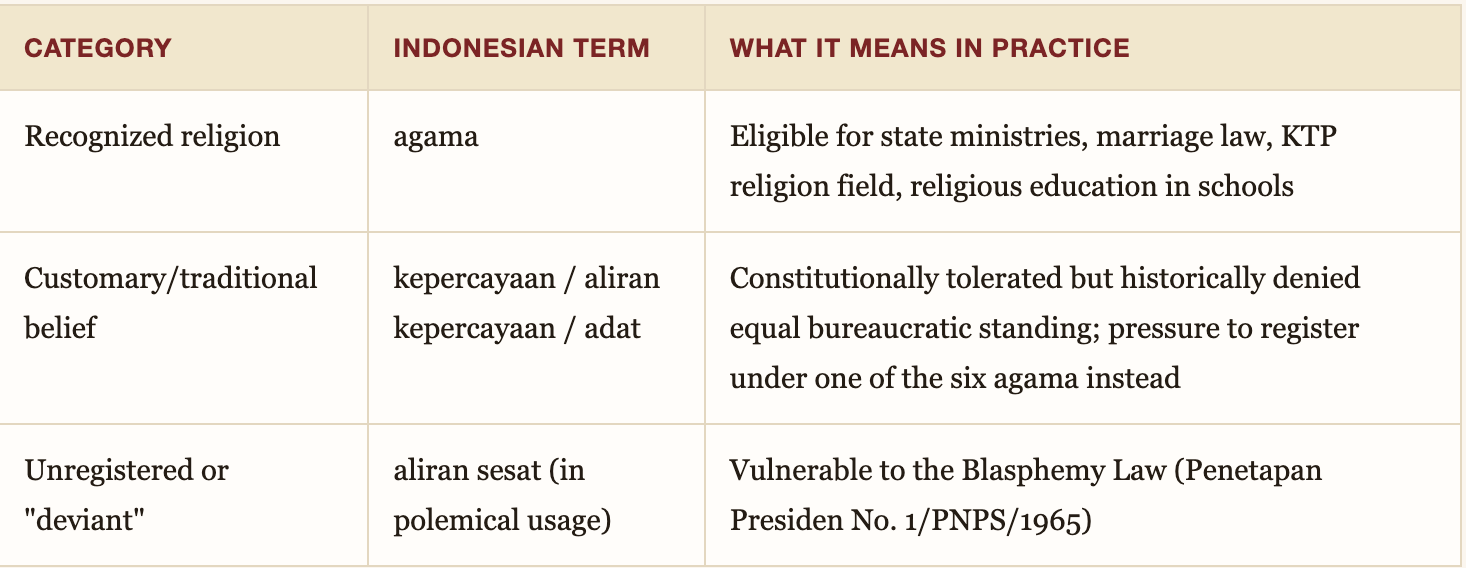
This produced a sharp three-way split that still structures Indonesian religious life:
Presidential Decree No. 1/PNPS/1965 is the foundational legal text. It established the legal foundation for the "religions embraced by the population of Indonesia" concept and was the first official document to list those religions in its elucidation: Islam, Protestantism, Catholicism, Hinduism, and Buddhism. Confucianism was added afterward and then politically removed, then restored a story told in Section 4.
Key distinction: the law in question never says outright "these are the only legal religions." Its explanatory text states that these are the religions believed by the majority of the people in Indonesia, while clarifying that other religions or beliefs it names Judaism, Zoroastrianism, Shinto, and Taoism are not banned. But six decades of administrative practice turned a descriptive list into a de facto closed registry.
2. Hindu Dharma: From "No Religion" to a State University
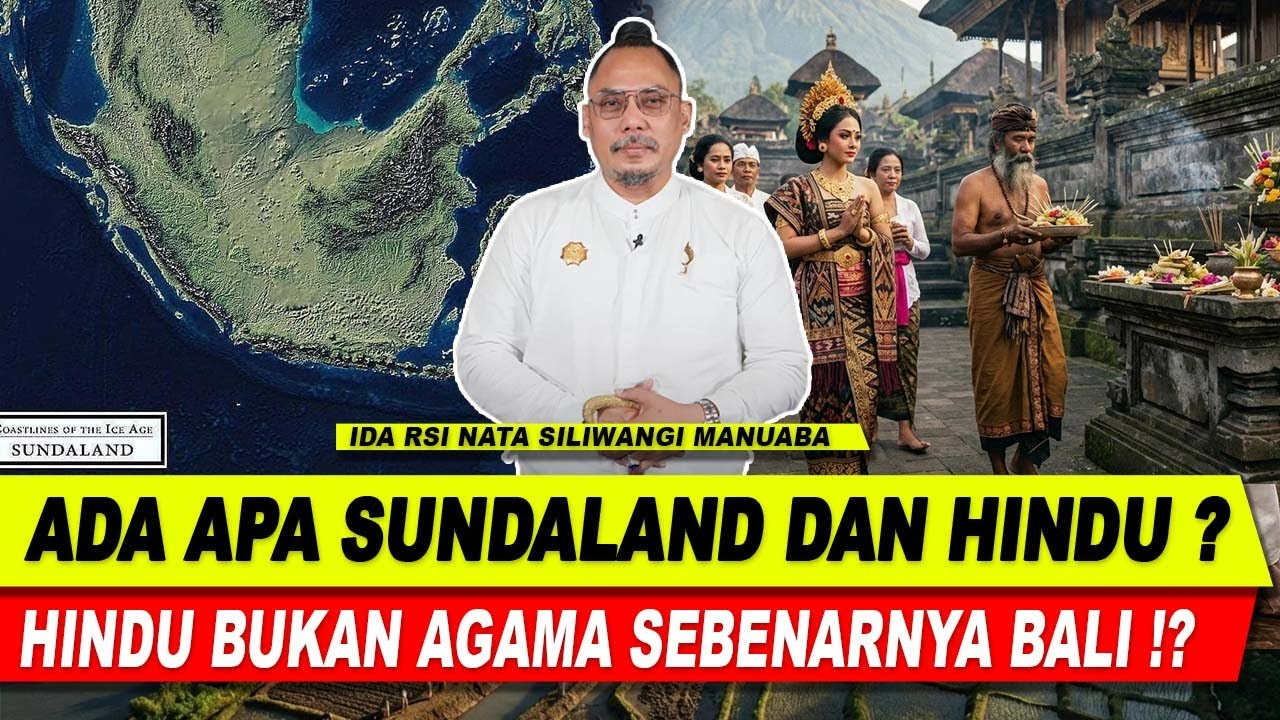
The claim that "Hindu is kepercayaan, not agama" reflects a real historical moment but not the current legal status. In 1952, the Indonesian Ministry of Religion came under the control of Islamist officials who defined "religion" narrowly: monotheistic, with codified law, a prophet, and a holy book. Under that test, Balinese Hindus were declared "people without a religion" and treated as available to be converted.
The Balinese response was not to accept exclusion but to re-engineer their tradition to fit the bureaucratic mold. Balinese religious leaders initiated a series of student and cultural exchange programs with India to help formulate core principles drawing on the Vedas, Upanishads, Puranas, and Itihasa and articulated a single supreme divinity, Ida Sang Hyang Widhi Wasa, formally naming the religion Agama Hindu Dharma. In 1953, religious leaders on Bali sought official recognition of Agama Hindu Bali as a creed equivalent to Islam, Catholicism, and Protestantism, and in 1958 a coalition led by Pandit Shastri agreed on "Hindu Dharma," built around the Catur Veda, the Upanishads, and the Bhagavad Gita, alongside two Old Javanese texts.
That campaign succeeded: Hinduism became, and remains, one of the six officially recognized state religions. Its institutional development has continued since. In February 2020, President Joko Widodo issued a regulation elevating the Hindu Dharma State Institute in Denpasar into Indonesia's first Hindu state university I Gusti Bagus Sugriwa State Hindu University an institution that began as a state academy for Hindu religious teachers in 1993.
The "kepercayaan" element that persists
Where the popular claim has real substance is at the margins. Many indigenous belief systems that are not Balinese-derived have been folded into "Hindu" status for survival purposes rather than theological affinity. Several indigenous belief systems and traditional religions outside Bali have been administratively classified as forms of Hinduism in order to meet Indonesia's legal requirements for religious recognition a major reason Indonesia today reports one of the largest Hindu populations in the world despite Hinduism being a small minority nationally.
The government often treats indigenous belief as kepercayaan adat ("customary belief") rather than agama, or simply absorbs it as a variant of a recognized religion. Because lacking an agama carried real risk association with atheism and, during the New Order, with communism groups such as the Dayak Kaharingan in Kalimantan have identified as Hindu to avoid pressure to convert to Islam or Christianity, even though Kaharingan, Sunda Wiwitan, Toraja's Aluk Todolo, and Batak Parmalim are distinct traditions from Indian-influenced Balinese Hinduism.
In Kalimantan Tengah specifically, government statistics have generally counted Kaharingan adherents among Hindus, who make up roughly 7.8% of that province's population under this classification.
So is Hindu "agama" or "kepercayaan" in Indonesia? Agama Hindu Dharma itself is unambiguously one of the six state-recognized agama, with its own ministry directorate, marriage registration rights, and now a state university. What is genuinely closer to kepercayaan is the cluster of non-Balinese indigenous belief systems that register as "Hindu" on paper as a survival strategy, while practicing distinct ancestral traditions underneath.
3. Buddhism: Agama Since 1965, but a Reconstructed One
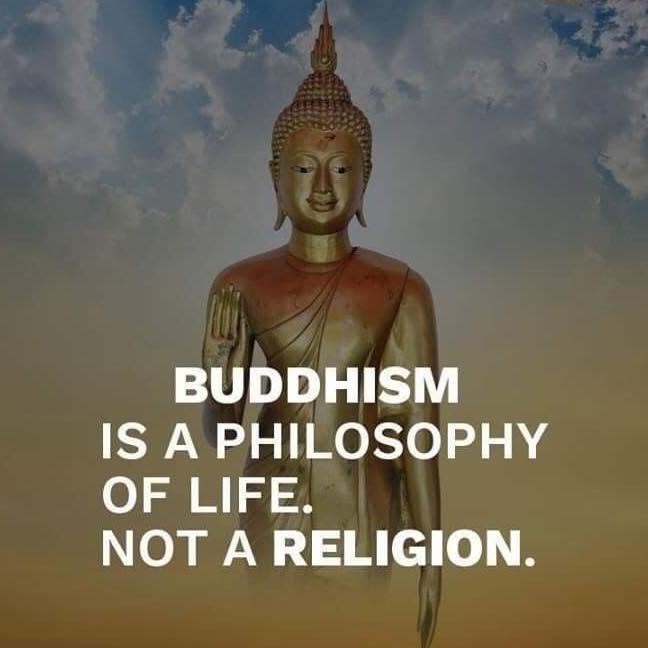
Contrary to the idea that Buddhism is "not even agama," Buddhism was named in the original 1965 list alongside Islam, Protestantism, Catholicism, and Hinduism. Decree 1/PNPS/1965 listed Islam, Protestantism, Catholicism, Hinduism, and Buddhism as the religions named in its official elucidation. Confucianism's far more turbulent path (see Section 4) is likely the source of the confusion Confucianism, not Buddhism, has repeatedly fallen in and out of agama status.
Buddhism's recognition still required the same monotheistic re-engineering Hinduism underwent. After Sukarno's downfall in the mid-1960s, when any deviation from Pancasila's monotheistic tenets was treated as politically suspect, Perbuddhi founder Bhikku Ashin Jinarakkhita proposed a single supreme deity, Sanghyang Adi Buddha, supporting the claim with ancient Javanese texts and the architecture of Borobudur Temple itself. He sought confirmation for this innovation to Buddhist doctrine in ancient Javanese sources and in the shape of the Borobudur temple in Central Java.
Indonesian Buddhism today is institutionally plural and ethnically distinctive. Although the religion is officially called "Buddhism," many adherents historically practiced Tridharma a Chinese-syncretized blend of Buddhism, Confucianism, and Taoism before figures from that tradition split off to form modern Buddhist bodies such as the Indonesian Buddhayana Council and Sangha Theravada Indonesia. By 1987 there were seven Buddhist schools affiliated with the umbrella organization Walubi: Theravada, Buddhayana, Mahayana, Tridharma, Kasogatan, Maitreya, and Nichiren.
Demographically, 2018 data put Buddhists at roughly 0.73% of Indonesians, about 2 million people, concentrated in Jakarta with notable populations in Riau, North Sumatra, and West Kalimantan, though the real figure is likely higher because some Confucian and Taoist practitioners the latter not an official religion register as Buddhist on the census.
Historical roots: Buddhism's presence in Indonesia predates the modern state by well over a millennium. During the Kediri, Singhasari, and Majapahit empires, Buddhism known as Dharma ri Kasogatan was acknowledged as an official religion of the kingdom alongside Hinduism, with the national motto Bhinneka Tunggal Ika itself coined from the Kakawin Sutasoma, a text written to promote tolerance between Hindus (Shaivites) and Buddhists.
4. Confucianism (Konghucu): The Religion That Was Switched Off and On
This is where Indonesia's agama politics are most visibly arbitrary, and it is the best real-world illustration of the broader claim in the prompt a recognized belief system was administratively un-recognized for political reasons, then restored.
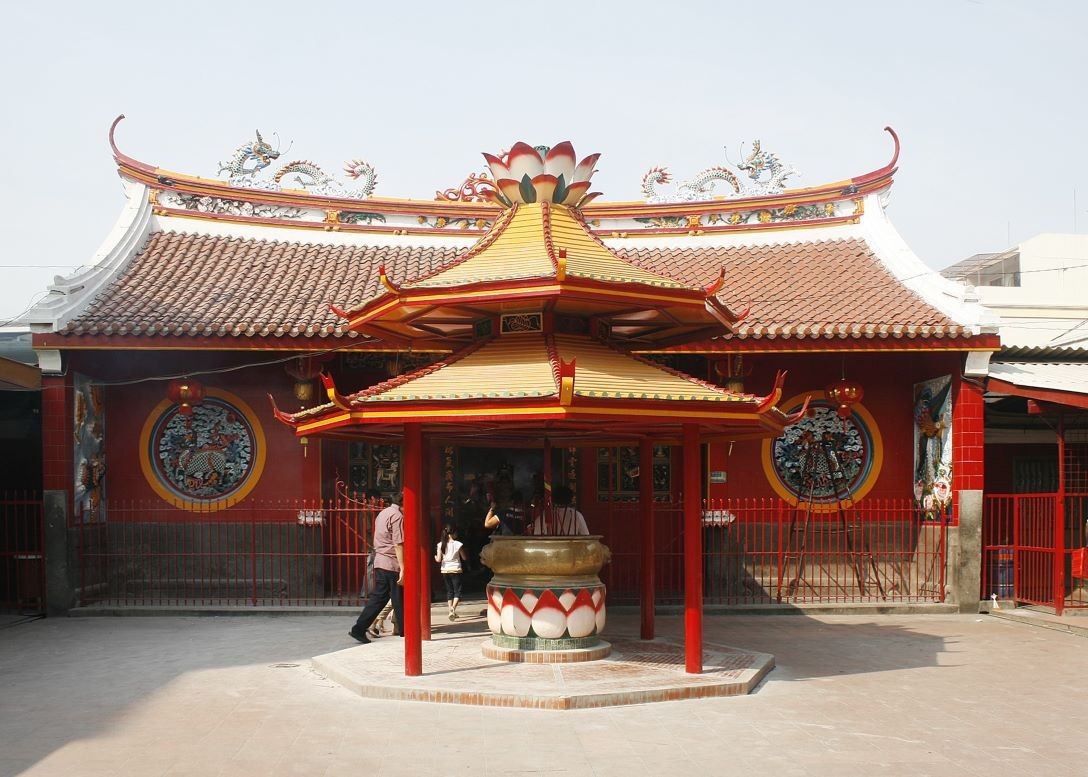
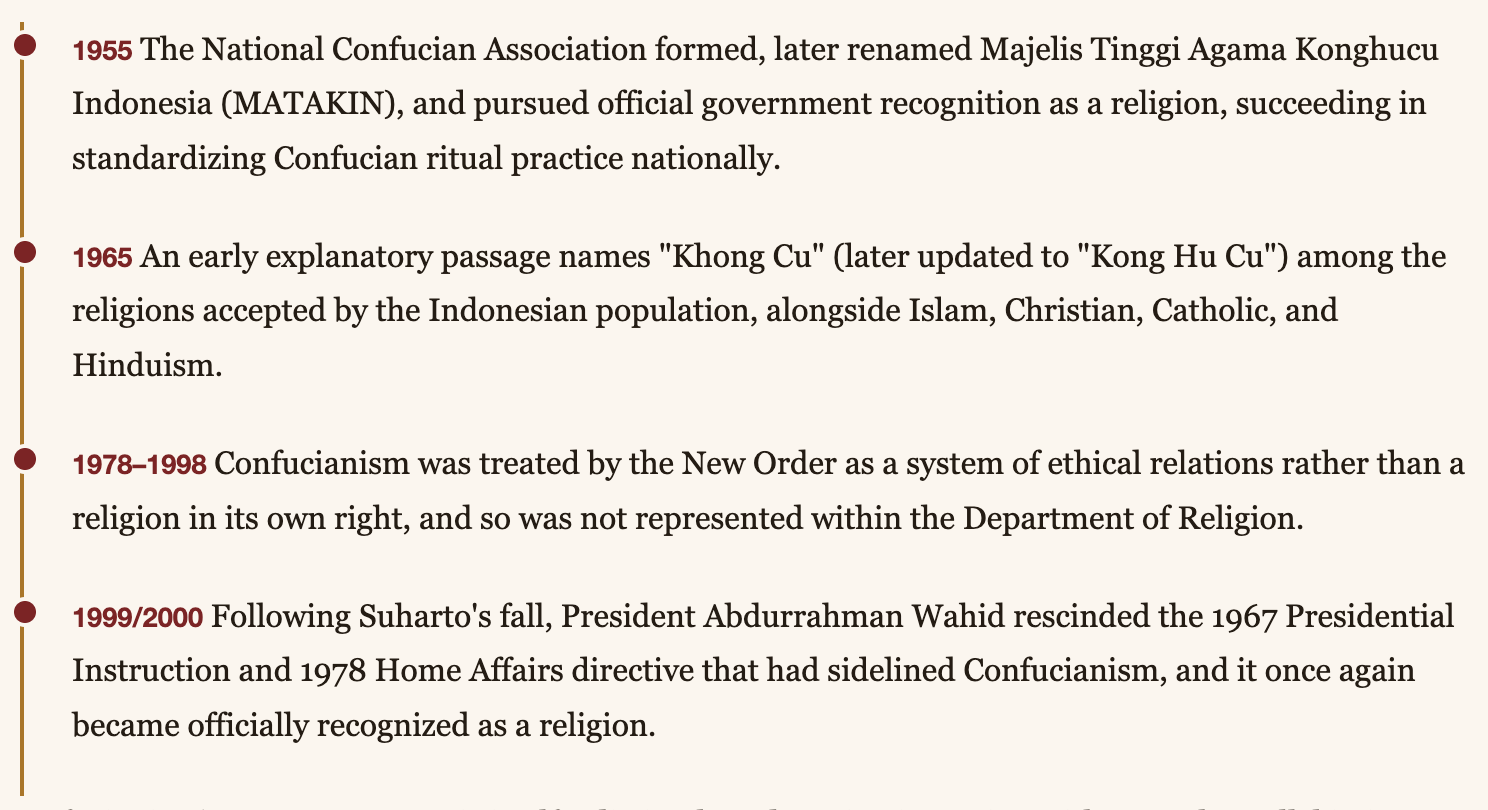
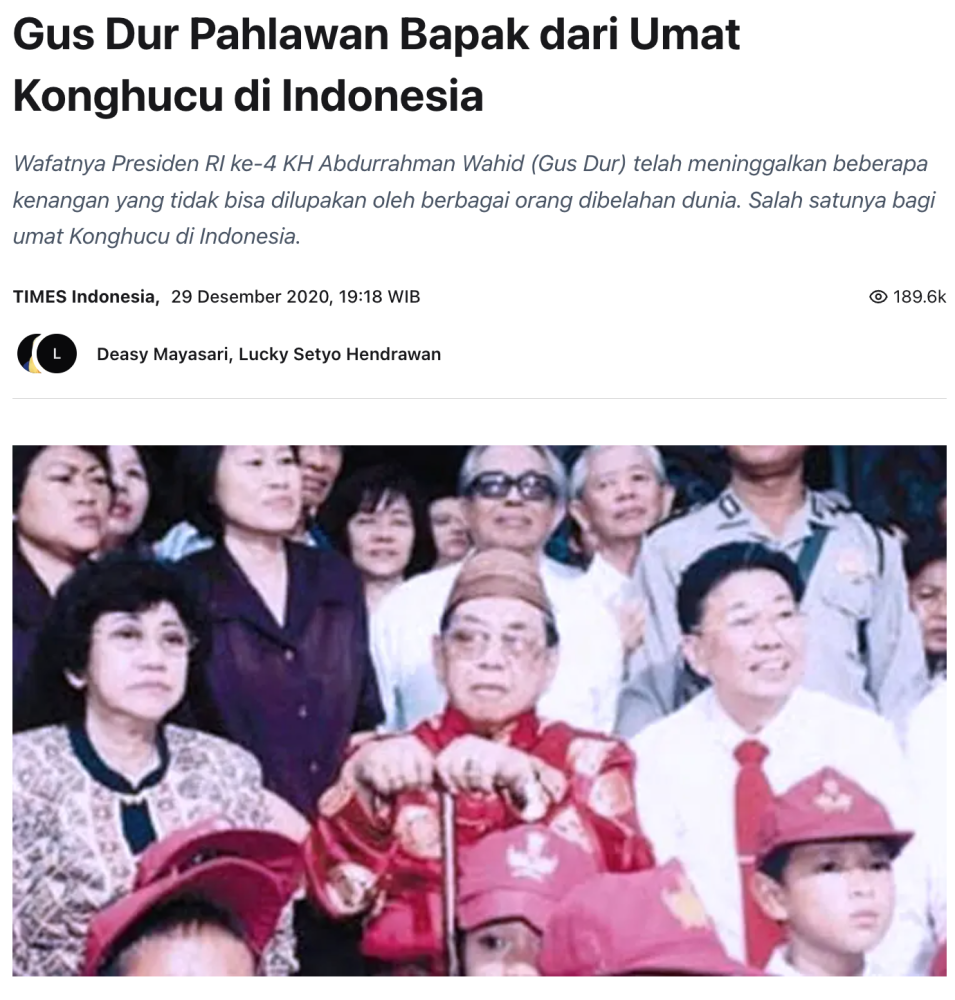
Confucianism's status as agama is itself a distinctly Indonesian invention with no real parallel in its country of origin. Regarded as a religion (agama) in Indonesia, Confucianism there differs sharply from Confucianism in contemporary China, where it functions as a philosophy of national significance rather than one of the state's five recognized religions.
Confucianism also shares devotional space with Buddhism and Taoism in everyday practice, complicating clean census categories. While Confucianism was officially restored as a recognized option in 2000, many folk practitioners still fall under the broader "Buddhist" umbrella administratively, often practicing a blend locally known as Tridharma the "Three Teachings" of Buddhism, Taoism, and Confucianism.
5. Kepercayaan and Indigenous Belief: The Permanent Outsiders
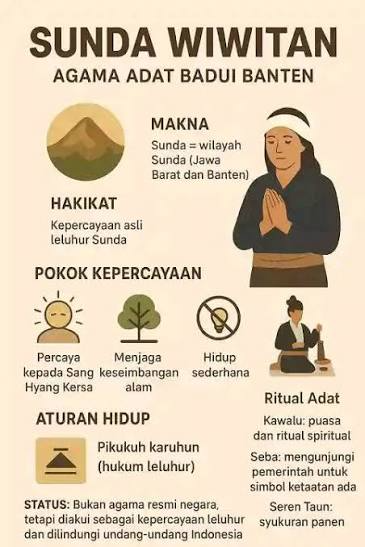
Beneath the six agama sits a much larger and more fragmented category: kepercayaan, aliran kepercayaan, kebatinan, and adat terms that overlap but are not identical, and that academia treats collectively as "indigenous religion."
The non-official number of ethnic believers in such traditions runs as high as 20 million. Indonesian Kejawèn traditions have no fixed prophet, sacred book, or distinct religious festival; adherence is closer to each follower's internalized transcendental vision and sense of right relation with others and the divine. This loose current of practice was given constitutional legitimacy in 1945 and in 1973 was recognized as Kepercayaan kepada Tuhan Yang Maha Esa ("Believer in One Supreme God"), gaining something close to agama status; President Suharto himself identified as an adherent. The formal Kejawen/Kebatinan movements include Subud, Sumarah, Pangestu, Perjalanan, and Amerta.
The structural inferiority of kepercayaan to agama, however, persisted for decades and is well documented by legal scholars. The exclusive accommodation of six official religions by the Ministry of Religious Affairs has excluded Indonesia's indigenous religions from the scope of "religion" altogether, leaving indigenous communities unable to claim rights to customary forest or land, for instance in the name of religious freedom, a discourse dominated instead by blasphemy cases and disputes over house-of-worship construction.
The current system labels these communities penghayat kepercayaan ("followers of belief") and masyarakat adat ("indigenous peoples"), placed under a Directorate of Belief and Indigenous Peoples within the Ministry of Education and Culture rather than the Ministry of Religious Affairs. Kepercayaan carries a more explicitly religious connotation than adat, yet both are commonly viewed as inferior to agama, implicitly pressuring believers to convert to one of the six official religions.
A genuine legal breakthrough came in 2017. A 2017 Constitutional Court decision required that "branches/flows of belief" (aliran kepercayaan) ethnic religions and new religious movements be formally recognized and entered on the Indonesian identity card (KTP). Constitutional Court Decision No. 97/PUU-XIV/2016 held that the word "religion" (agama) in a citizen's official data could also encompass "belief" (kepercayaan) without collapsing the two terms into synonyms, since the Court still treated religion and belief as distinct categories that the state is nonetheless obligated to protect equally.
"Religion (agama) in Indonesia has been paradoxically interpreted exclusively requiring monotheistic belief, written scripture, a prophet, and international recognition a construction never formally codified, yet perpetuated for decades in policy and knowledge production alike." paraphrased from legal commentary on the 2017 ruling
6. "Hindu" vs. "Dharma": Should It Be Called Something Else?
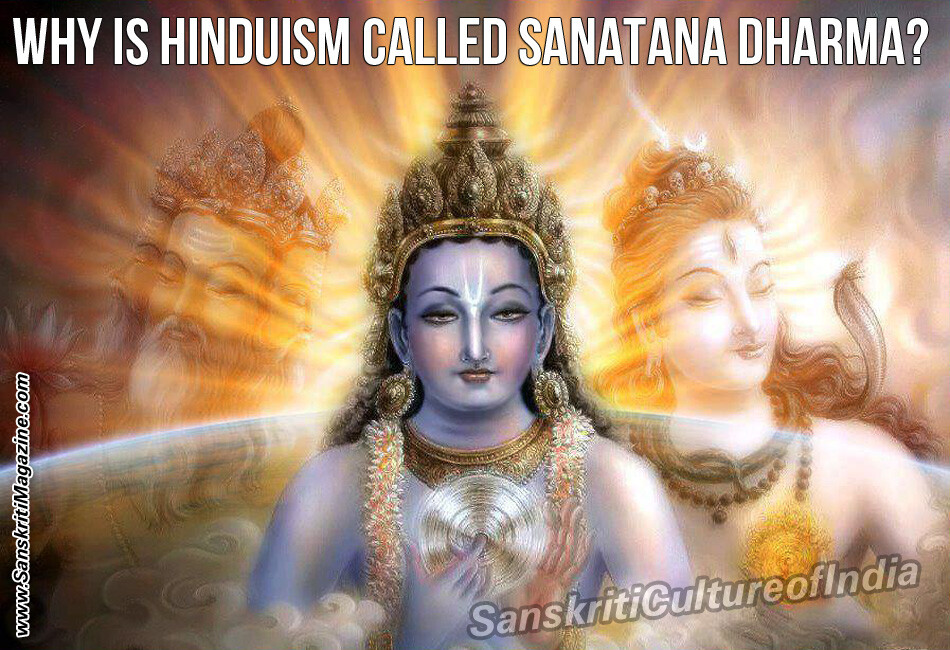
The claim that "Hindu" is the wrong name that the tradition should be called Dharma or Sanatana Dharma instead rests on real etymology, though the conclusion that "Hinduism" is simply incorrect is a matter of ongoing debate rather than settled fact.
Where the word "Hindu" actually comes from
The word traces to the Sanskrit "Sindhu," referring to the Indus River. Ancient Persians, lacking the "S" sound at the start of that word in their own phonology, rendered it "Hindu." Greek and Persian visitors to the Indus Valley were among the first outsiders to apply the term to the region's inhabitants (rendered in Greek as "indoi"). Note that this derives from a place name (a river, and by extension a region), not from "Hindi" the language a common but inaccurate shorthand. Hindi itself is a much later linguistic development named after the same Indus-region root.
The term "Hindu" has no direct presence in the Vedic texts themselves; it is an exonym a name applied by outsiders that was subsequently adopted and spread further by Arab, Turkish, and Mughal-era usage before British colonial administrators turned it into "Hinduism" as a religion-category label in the 19th century.
What insiders historically called the tradition
The tradition's adherents historically referred to it as Sanatana Dharma "the eternal duty" a duty held to apply not only to Hindus but to all beings: animals, deities, and the whole of humanity. The term itself appears already in the Atharvaveda (roughly 1200–900 BCE), where the Supreme Being is called Sanatanam, "eternal."
However, "Sanatana Dharma" is not simply the original, neutral name waiting to be restored it has its own modern political history. The term was specifically revived in the late 19th century by Hindu revivalist movements as a way to avoid the foreign-origin exonym "Hindu," and today functions largely as a synonym for Hinduism, though in current usage it is also sometimes narrowed to emphasize a "traditional" or eternalist outlook in contrast to socio-political reform movements such as the Arya Samaj.
So should it be called "Hindu Dharma" rather than "Hinduism"? Etymologically, yes "Hindu" is a geographic exonym with Persian phonological roots, and "-ism" is an English suffix bolted on by colonial administrators to make it fit a Western category of "religions." The Indonesian Ministry of Religious Affairs has, in fact, already made exactly this move: its official designation is Agama Hindu Dharma, not "Hinduism." Indonesian Hindu institutions are officially named with "Dharma" rather than the English "-ism" the religion's state university bears the name Hindu Dharma, and its general body of belief and practice is referred to as Agama Hindu Dharma by the Ministry of Religious Affairs. Whether the same correction should be applied to "Hinduism" globally is a live cultural debate, not a closed question many scholars and practitioners use "Hinduism," "Hindu Dharma," and "Sanatana Dharma" interchangeably depending on audience and context, as reflected in the sources above.
7. Comparative Summary
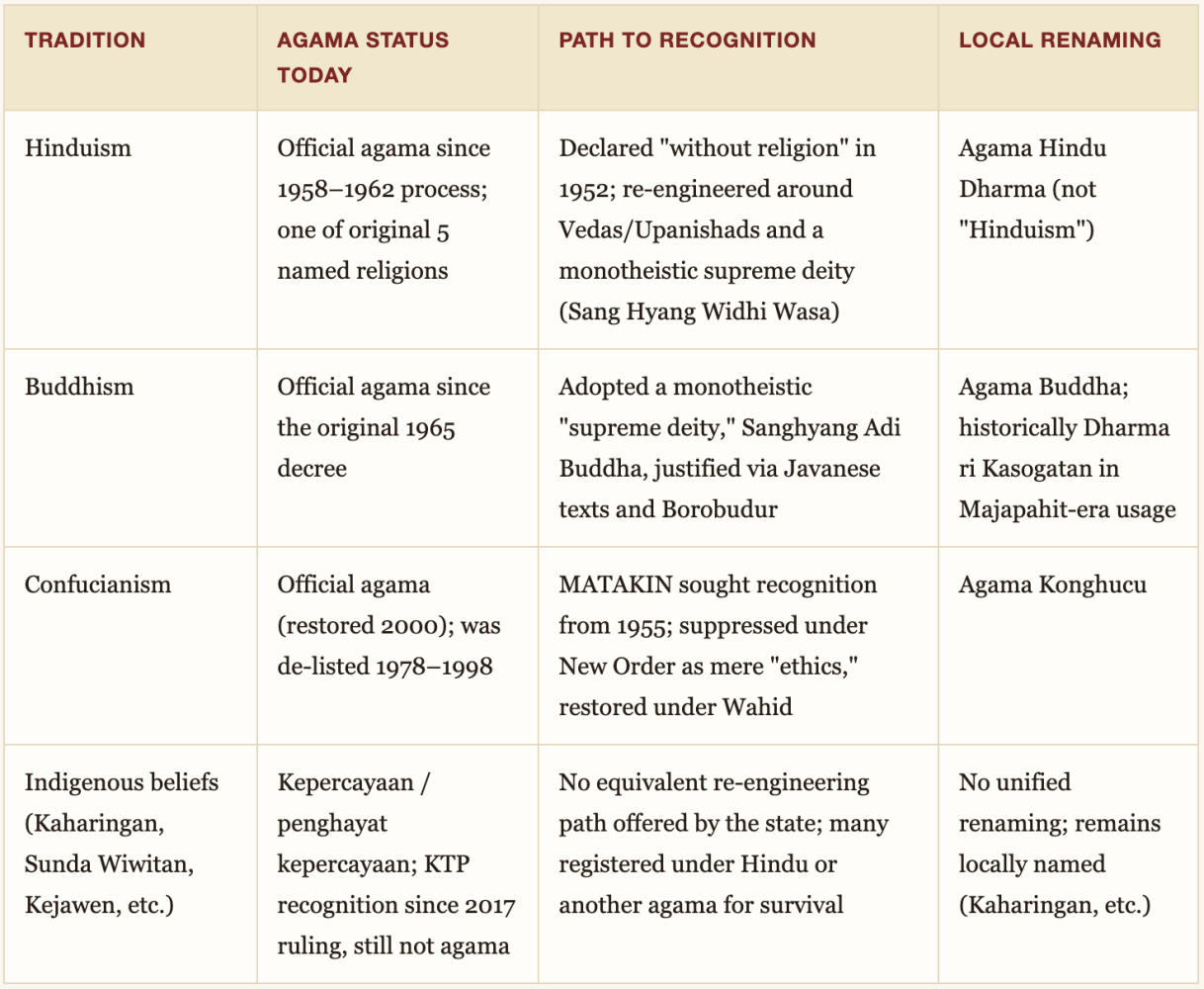
Closing Observations
Three threads run through this history. First, "agama" in Indonesia is not a description of belief but a bureaucratic license, issued against a template built for Abrahamic monotheism which is precisely why Hindu and Buddhist communities each had to articulate a singular supreme deity that their traditions did not originally require. Second, Confucianism's on-again, off-again status shows that even full agama recognition is politically reversible, not a permanent settlement. Third, the people most genuinely excluded from this system are not Hindus or Buddhists, who long ago secured formal agama status, but the millions of adherents of indigenous kepercayaan and adat traditions, who remain administratively second-class even after the 2017 Constitutional Court ruling.
On naming: Indonesia's own Ministry of Religious Affairs already resolved the "Hindu vs. Dharma" question in its official terminology by using Agama Hindu Dharma rather than "Hinduism" making Indonesia, somewhat ironically, ahead of much of the English-speaking world on this specific point of etymological precision.
#Indonesia #Agama #Pancasila #HinduDharma #Konghucu #Buddhism #Kepercayaan #ReligiousFreedom #Kemenag #Kemenbud #IndonesianHistory #Pluralism
Reference List
- Wikipedia contributors. "Hinduism in Indonesia." Wikipedia, The Free Encyclopedia. en.wikipedia.org/wiki/Hinduism_in_Indonesia
- "Hinduism and Folk Religions in Indonesia." Facts and Details. factsanddetails.com
- Wikipedia contributors. "Religion in Indonesia." Wikipedia, The Free Encyclopedia. en.wikipedia.org/wiki/Religion_in_Indonesia
- "Religion in Indonesia – Religious Pluralism in Society." Indonesia Investments. indonesia-investments.com/culture/religion/item69
- Wikipedia contributors. "Buddhism in Indonesia." Wikipedia, The Free Encyclopedia. en.wikipedia.org/wiki/Buddhism_in_Indonesia
- Chandra, Yonatan Iskandar. "Official Religions in Indonesia: An Illusion?" Leimena Institute. leimena.org
- Wikipedia contributors. "Balinese Hinduism." Wikipedia, The Free Encyclopedia. en.wikipedia.org/wiki/Balinese_Hinduism
- Sutrisno, Evi. "The Invention of Indonesian Confucianism." CRCS UGM (Center for Religious and Cross-cultural Studies, Universitas Gadjah Mada). crcs.ugm.ac.id
- Deta, Krisharyanto Umbu. "The Constitutionality of Indigenous Religious Freedom in Indonesia." LSE Southeast Asia Blog. blogs.lse.ac.uk/seac
- "Here is why Hinduism is actually called Sanatana Dharma." Detechter. detechter.com
- "Decoding Hinduism & Sanatan Dharma: A Historical Perspective." Indrosphere. indroyc.com
- "Origin and Meaning of Hindu – Etymology and Definition." Hindu Website. hinduwebsite.com
- Wikipedia contributors. "Sanātana Dharma." Wikipedia, The Free Encyclopedia. en.wikipedia.org/wiki/Sanātana_Dharma
- "Hindu Dharma Sanatana Dharma." Hindu Temple of Wisconsin. ourhtw.org/hindu-dharma
- Sharma, Love. "'Hindu' Is Not Our Name." TheHinduHub, Medium. medium.com/thehinduhub
- Shaw, A. "Let's Understand Sanatan Dharma or, Hinduism Beyond Political Filter." Medium. medium.com
- "Sanatana Dharma and Hinduism." Boloji. boloji.com