Anonymous Forum, Real Legal Liability: Why Platforms Like FOMO Indonesia & Teamblind Are a Brand Risk You Cannot Ignore
There is a quiet legal time bomb embedded in how anonymous professional forums in Indonesia operate. Most people dismiss it as "just people venting." Lawyers, however, see something very different — and so should every company whose logo and verified email domain appear on these platforms.
Let me be precise about the distinction that matters, because this is not an argument against anonymous speech. Anonymous forums have legitimate value: whistleblowing, psychological safety, candid peer discussion. The right to express opinion without being publicly identified is well-established and worth protecting.
The problem is not anonymity. The problem is the combination of anonymity with institutional credentialing — when a platform allows a user to post under the verified banner of a company whose logo and email domain authenticate the account, while the individual remains hidden. That combination creates a legal exposure that most Indonesian companies have not yet mapped.
What FOMO Indonesia and Teamblind Actually Do
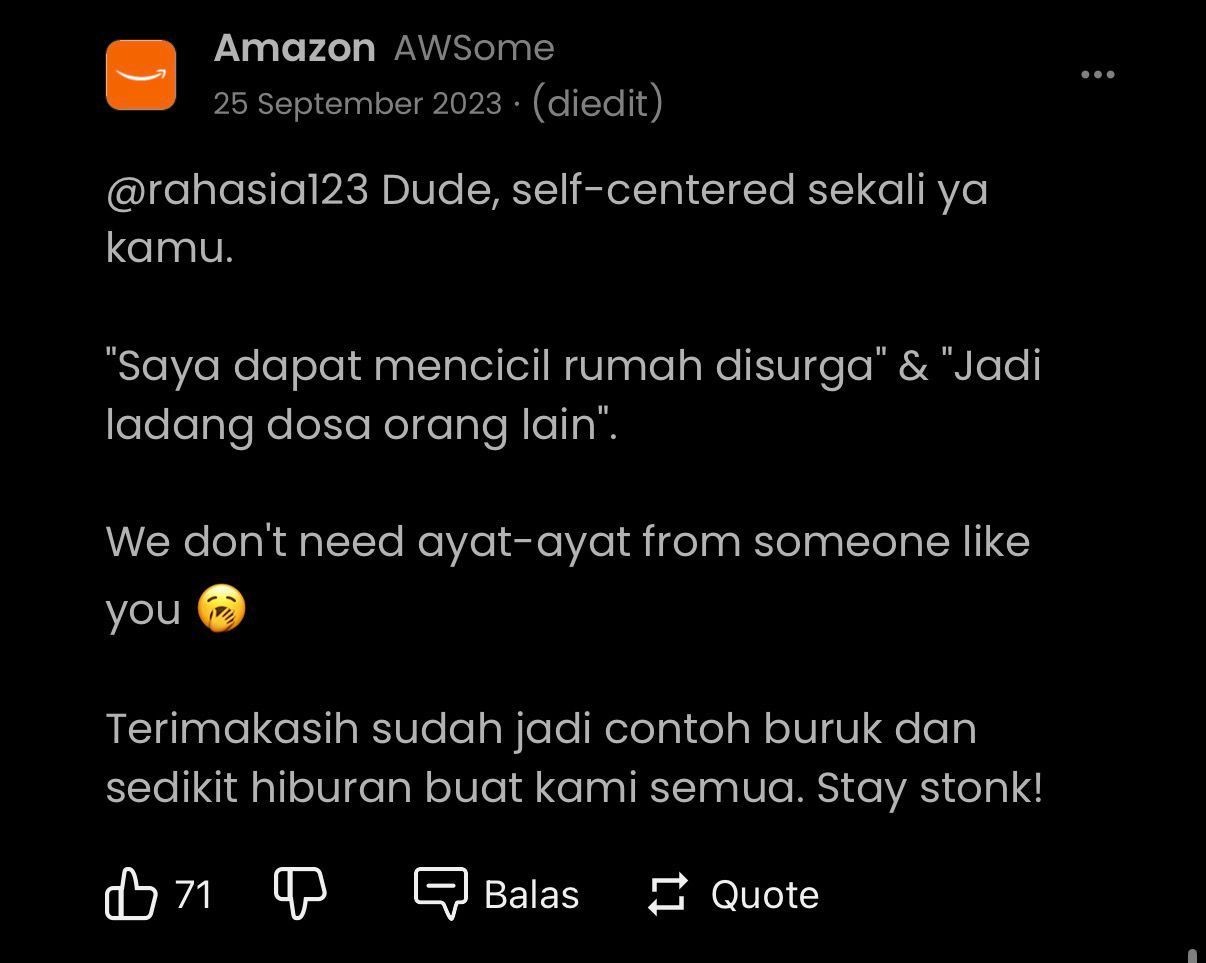
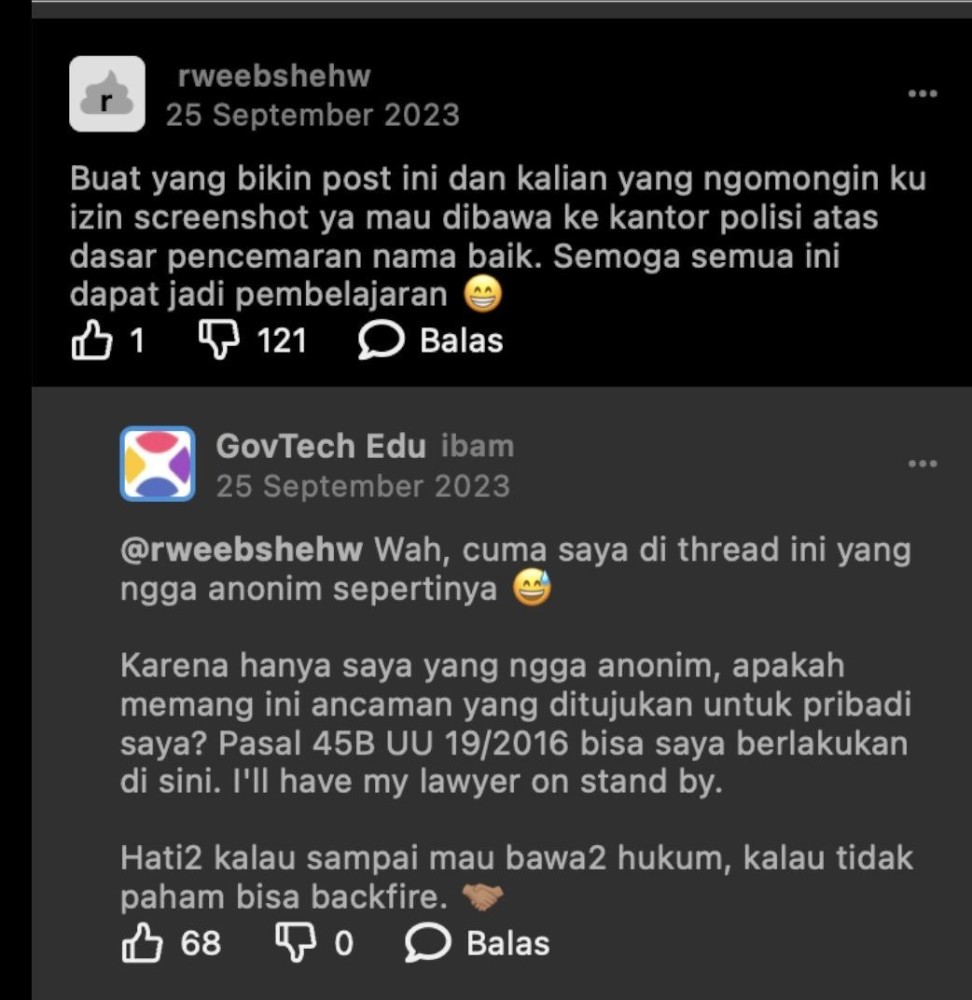
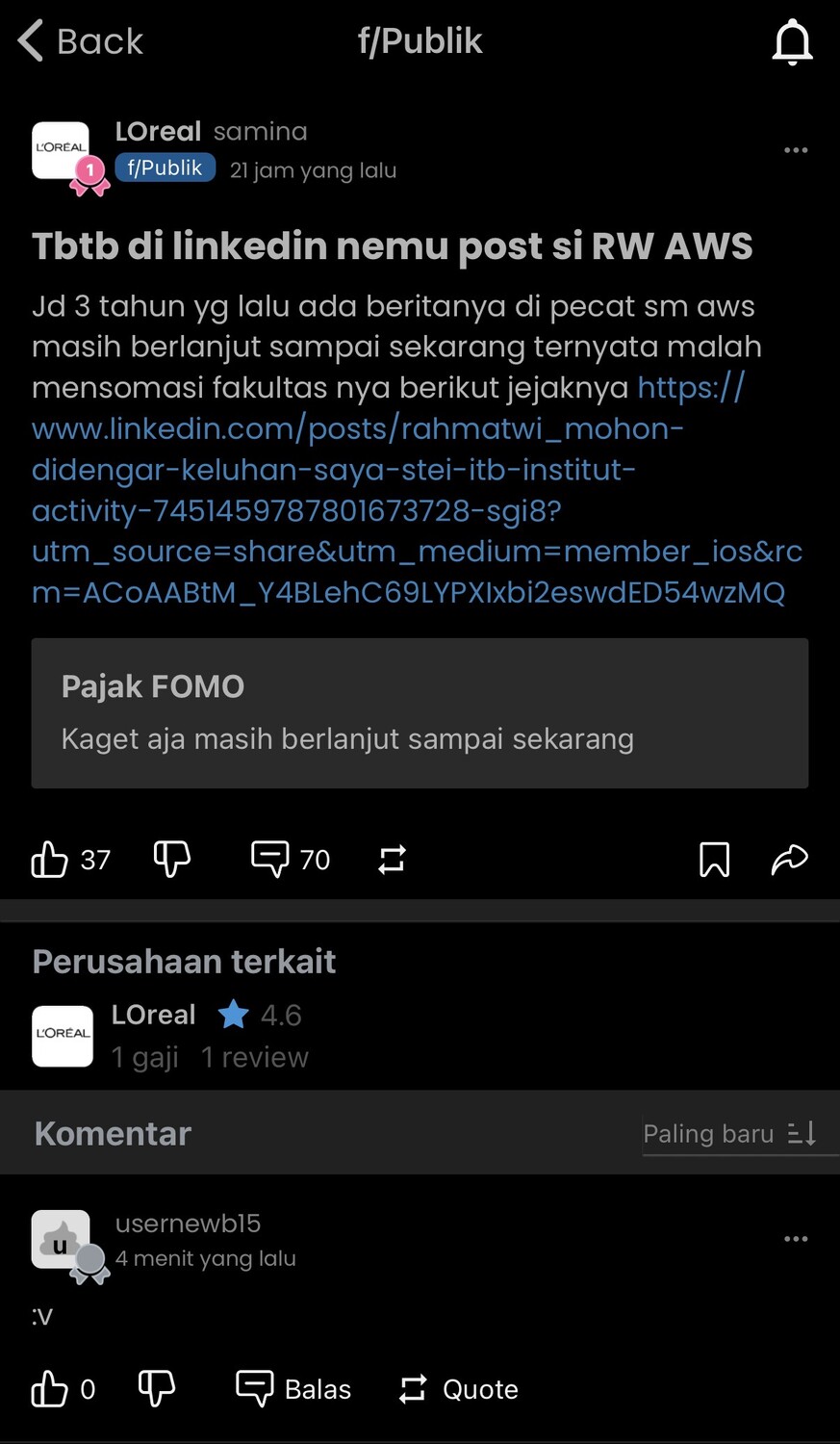
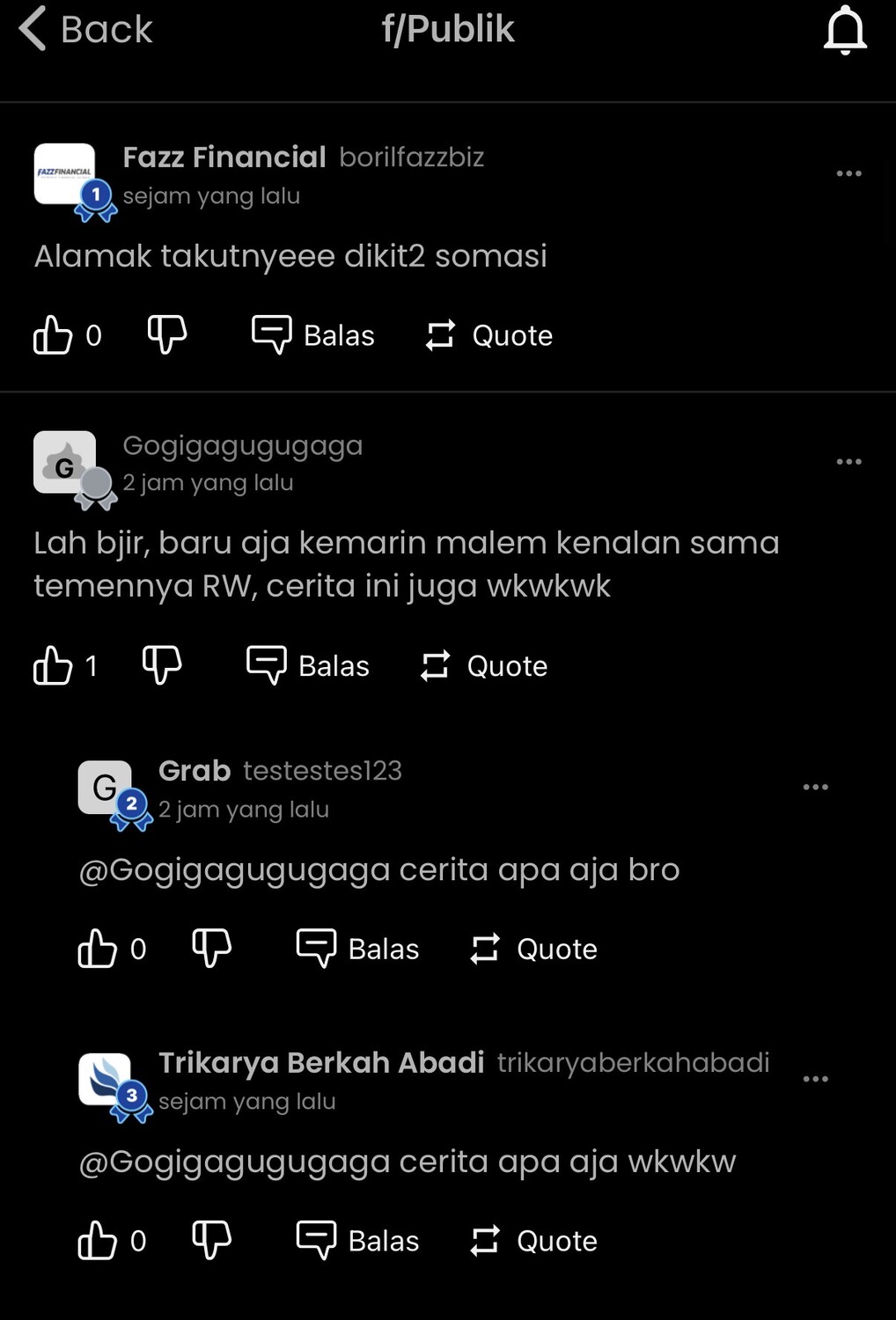
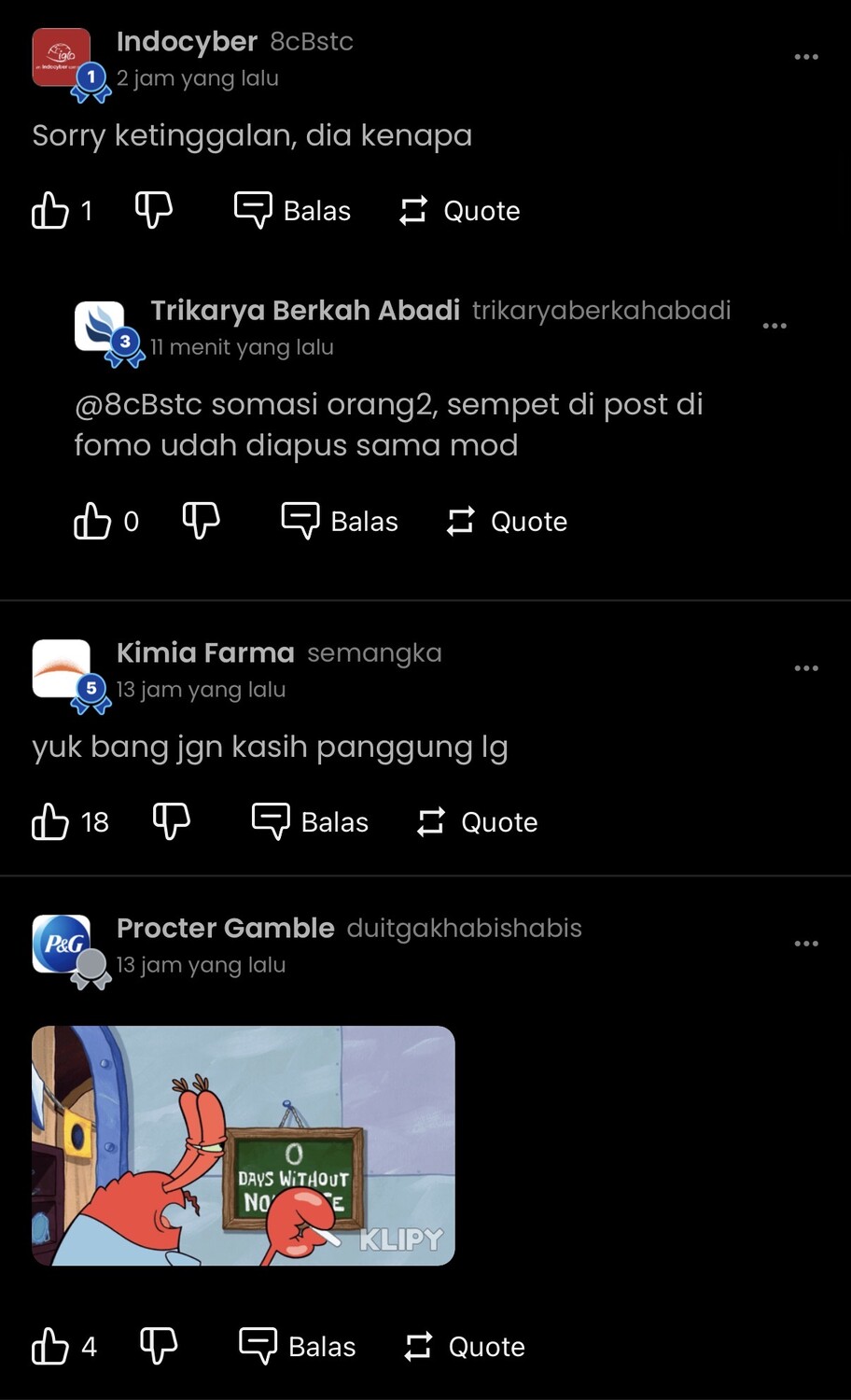
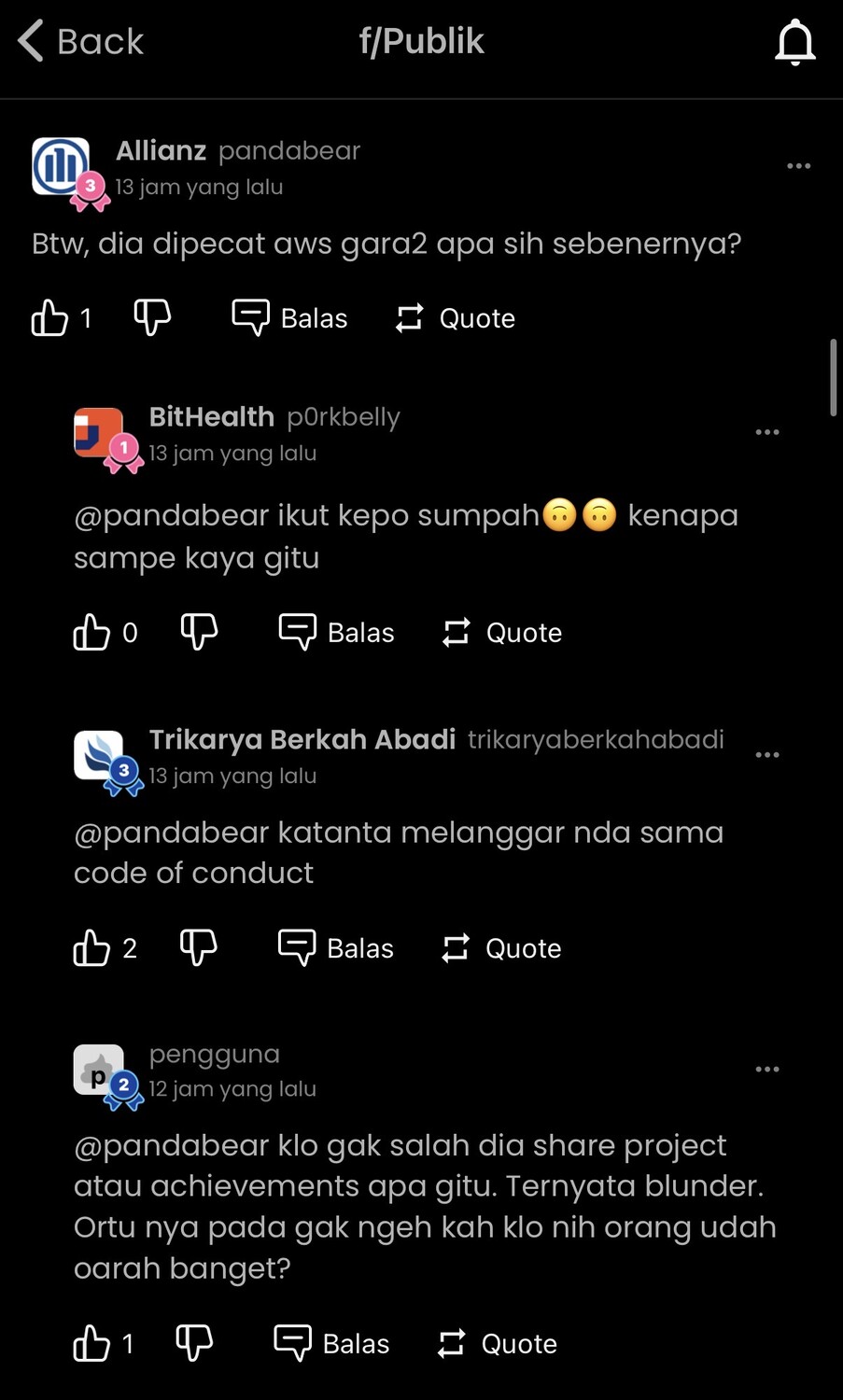
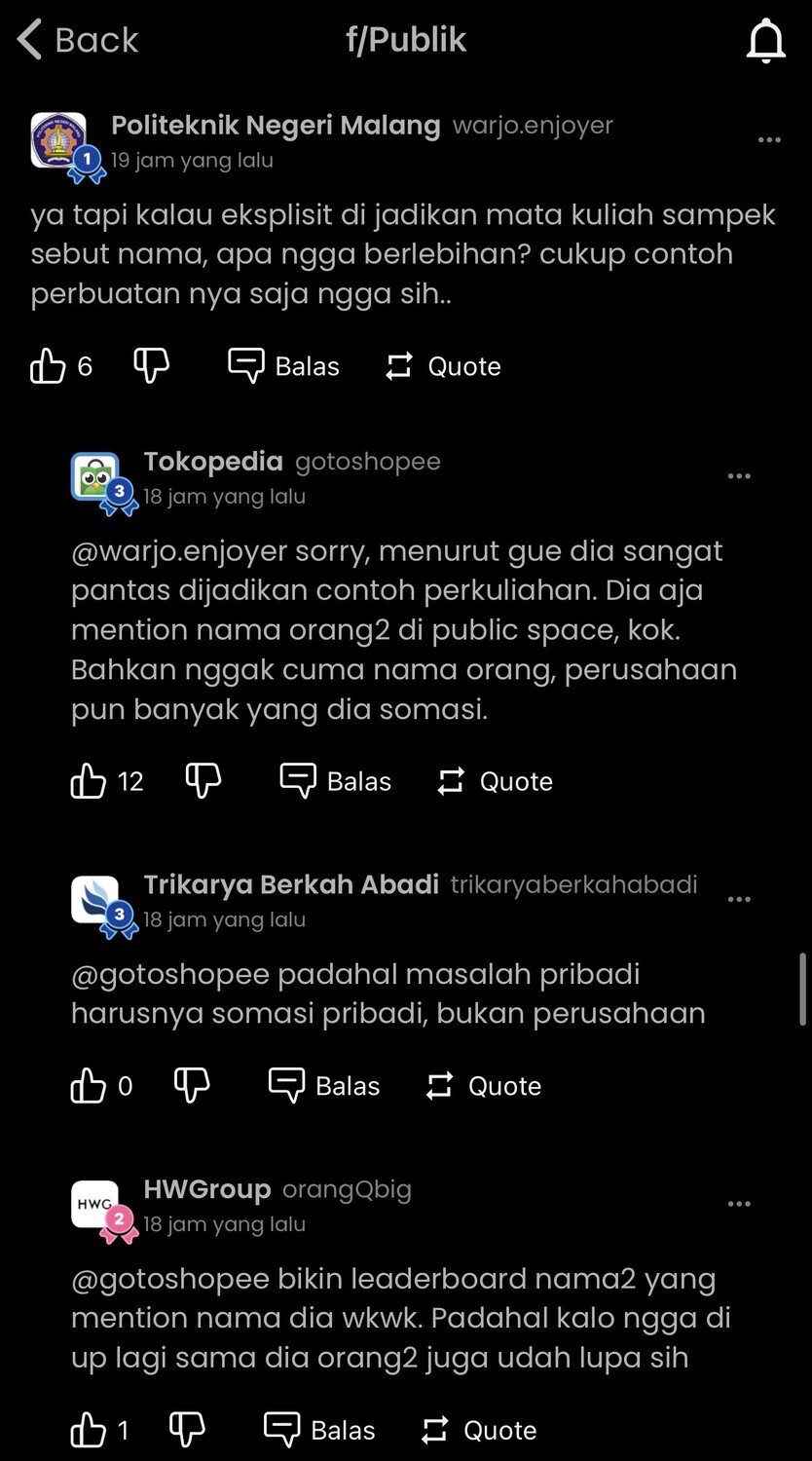
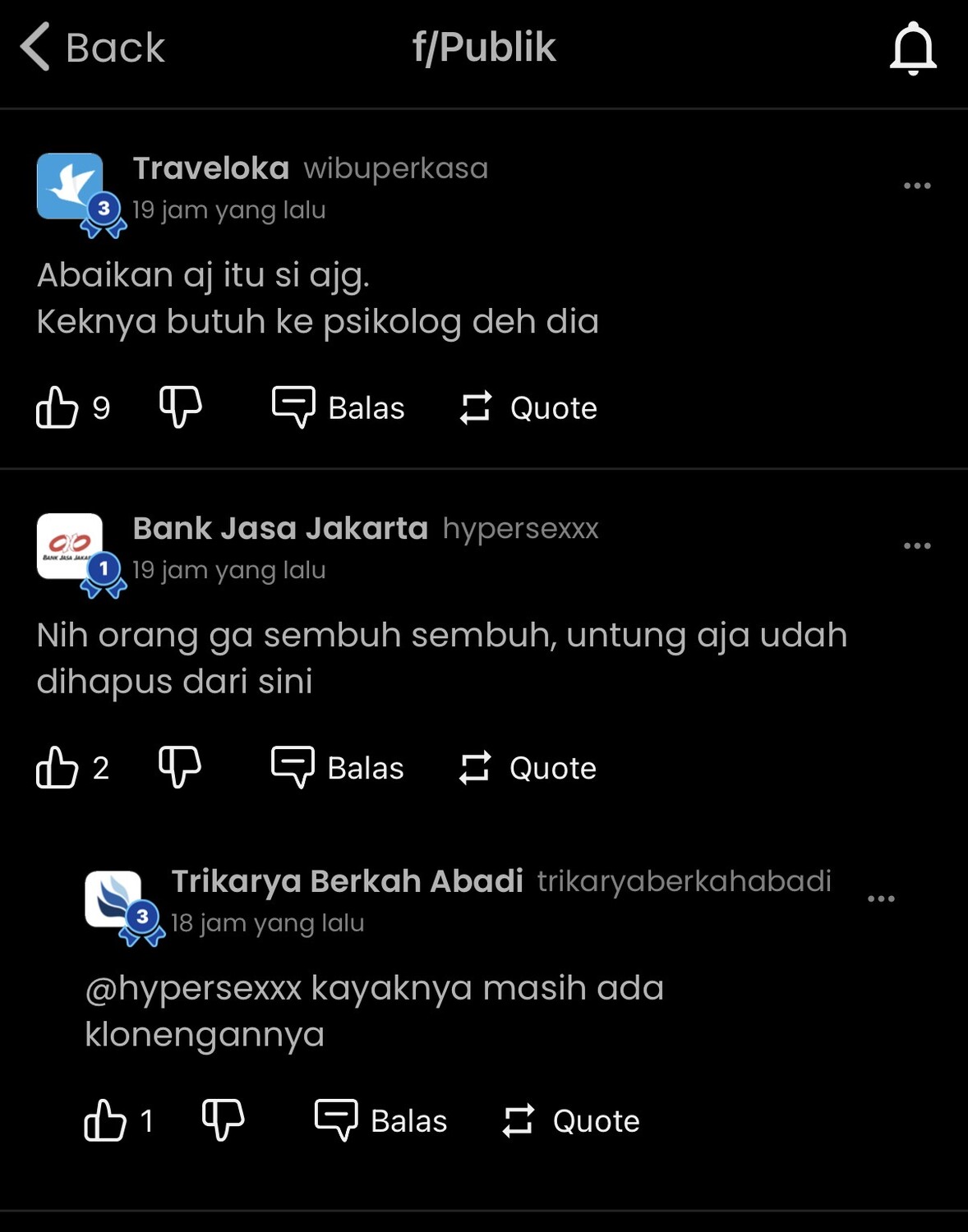
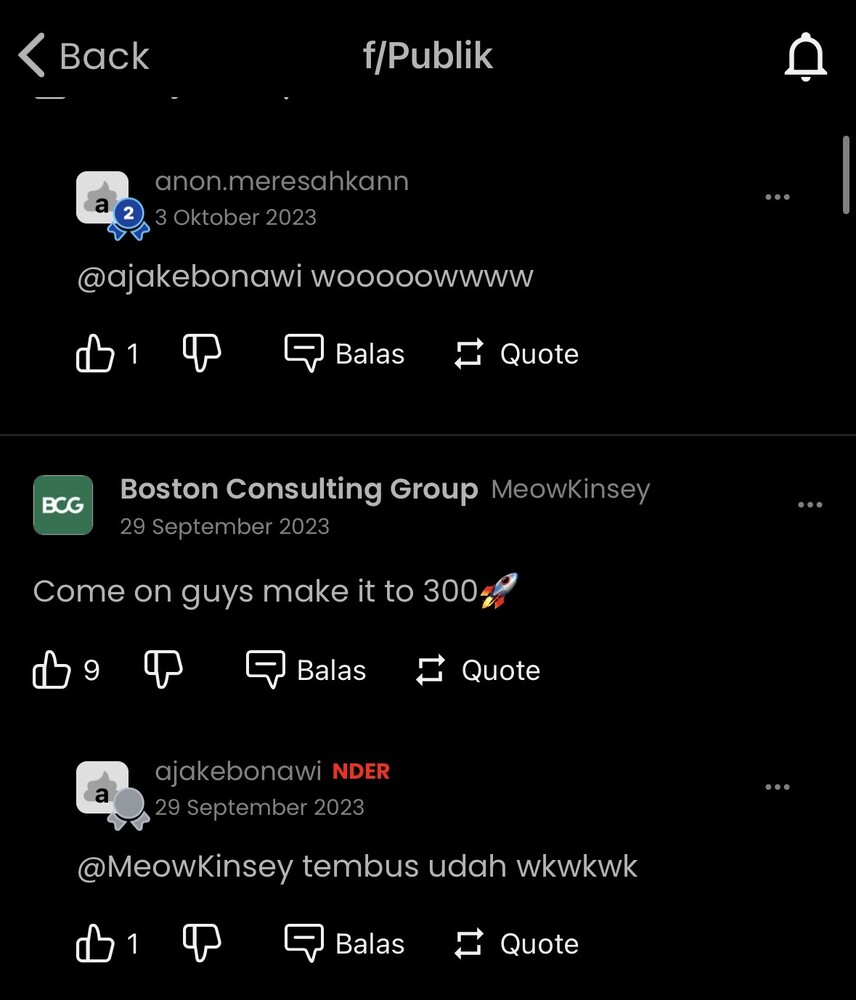
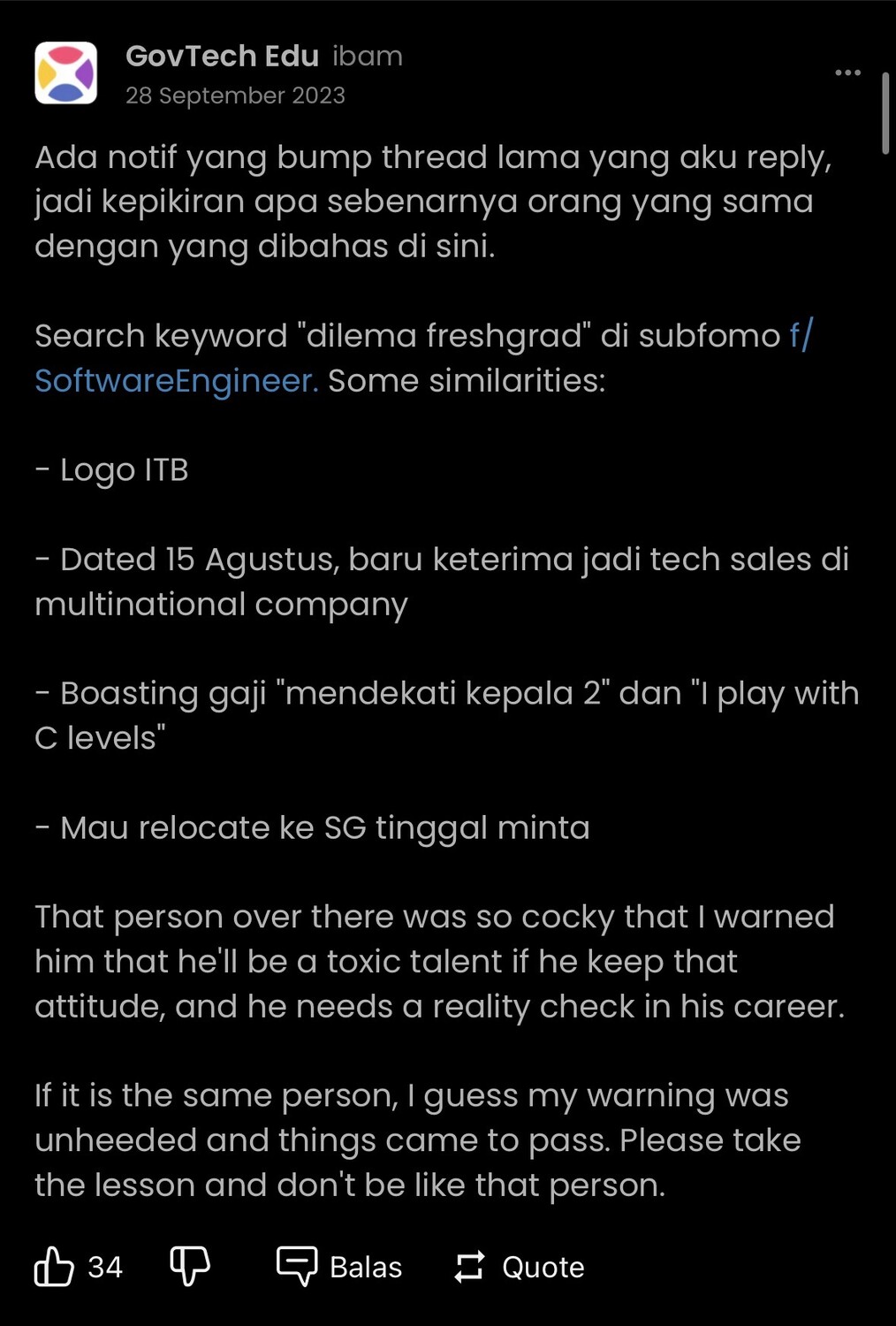
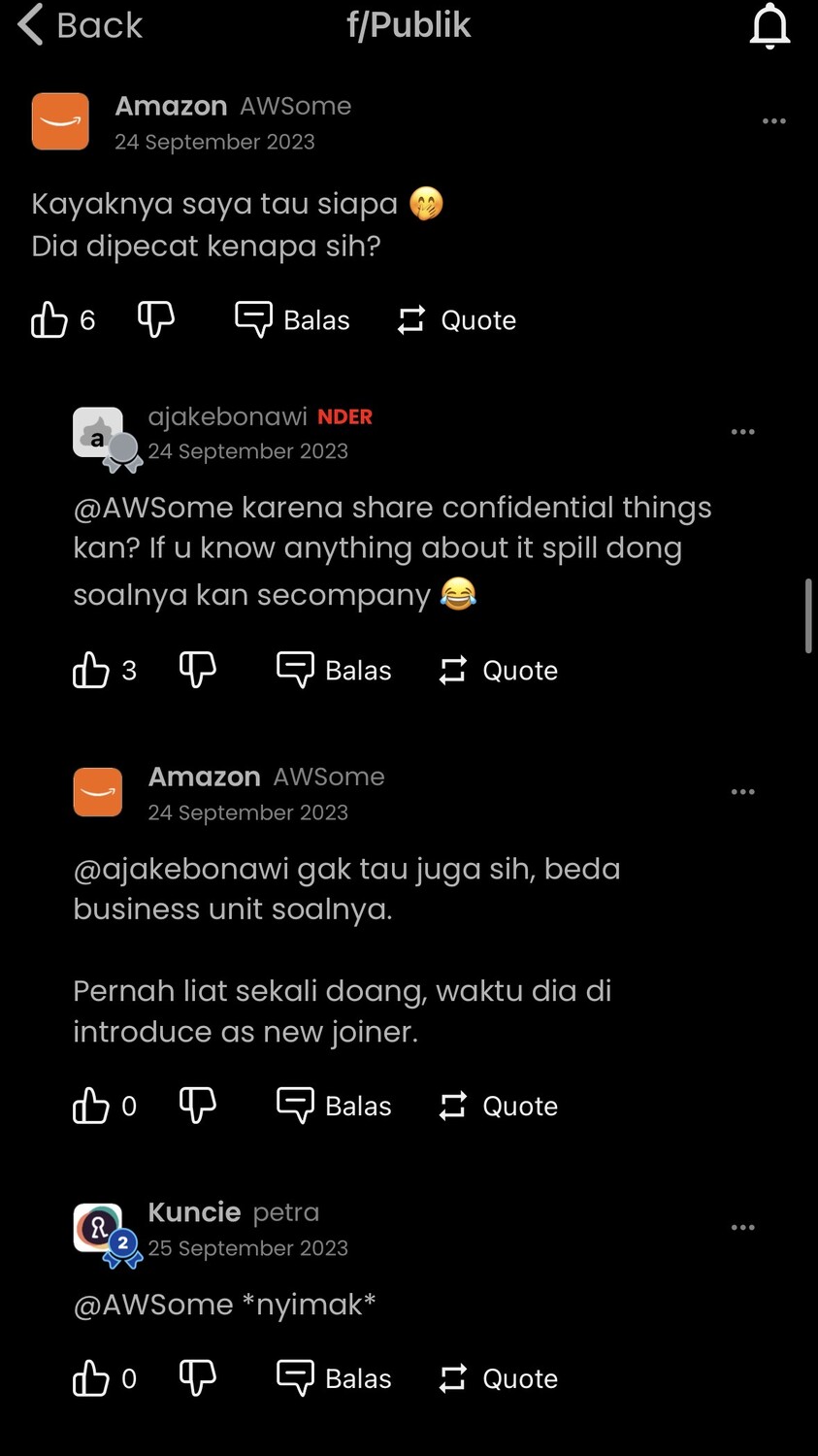
Platforms like FOMO Indonesia and Teamblind operate on a simple mechanic: to post, you verify your identity using a corporate email address. Once verified, you receive a badge or affiliation label — "Verified from [Company Name]" — and from that point forward, your posts appear with that company's branding signal attached, while your personal identity stays hidden.
This is the architecture of the problem. The platform has effectively created a mechanism where:
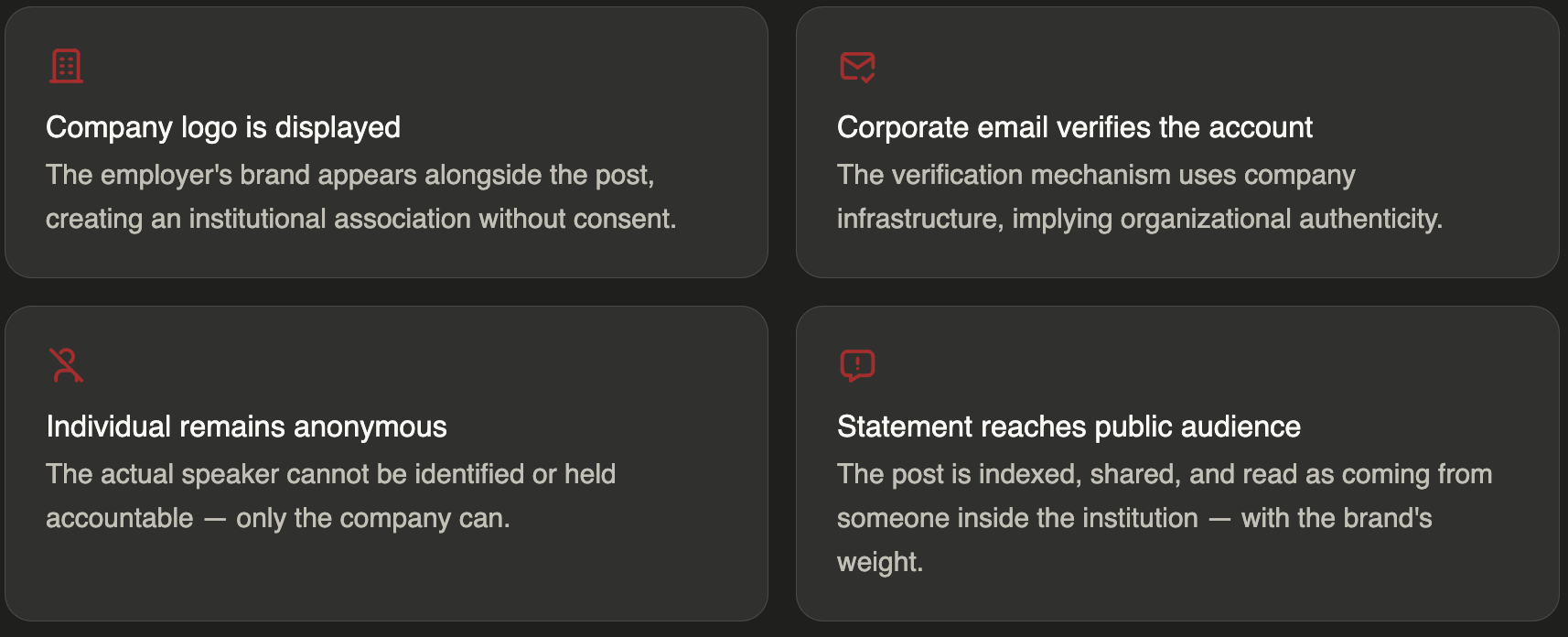
A third party reading a post by a "Verified [Company] Employee" does not perceive an individual venting — they perceive a signal from within that organization. In legal terms, this proximity to apparent authority is the core of the issue.
The Legal Problem: Apparent Authority and Brand Liability
Key legal principle: Under Indonesian civil law and emerging digital commerce frameworks, a statement made under the visible banner of an institution — even by an individual not explicitly authorized to speak — can be treated as carrying that institution's apparent authority if the platform structure makes it appear authoritative to a reasonable observer.
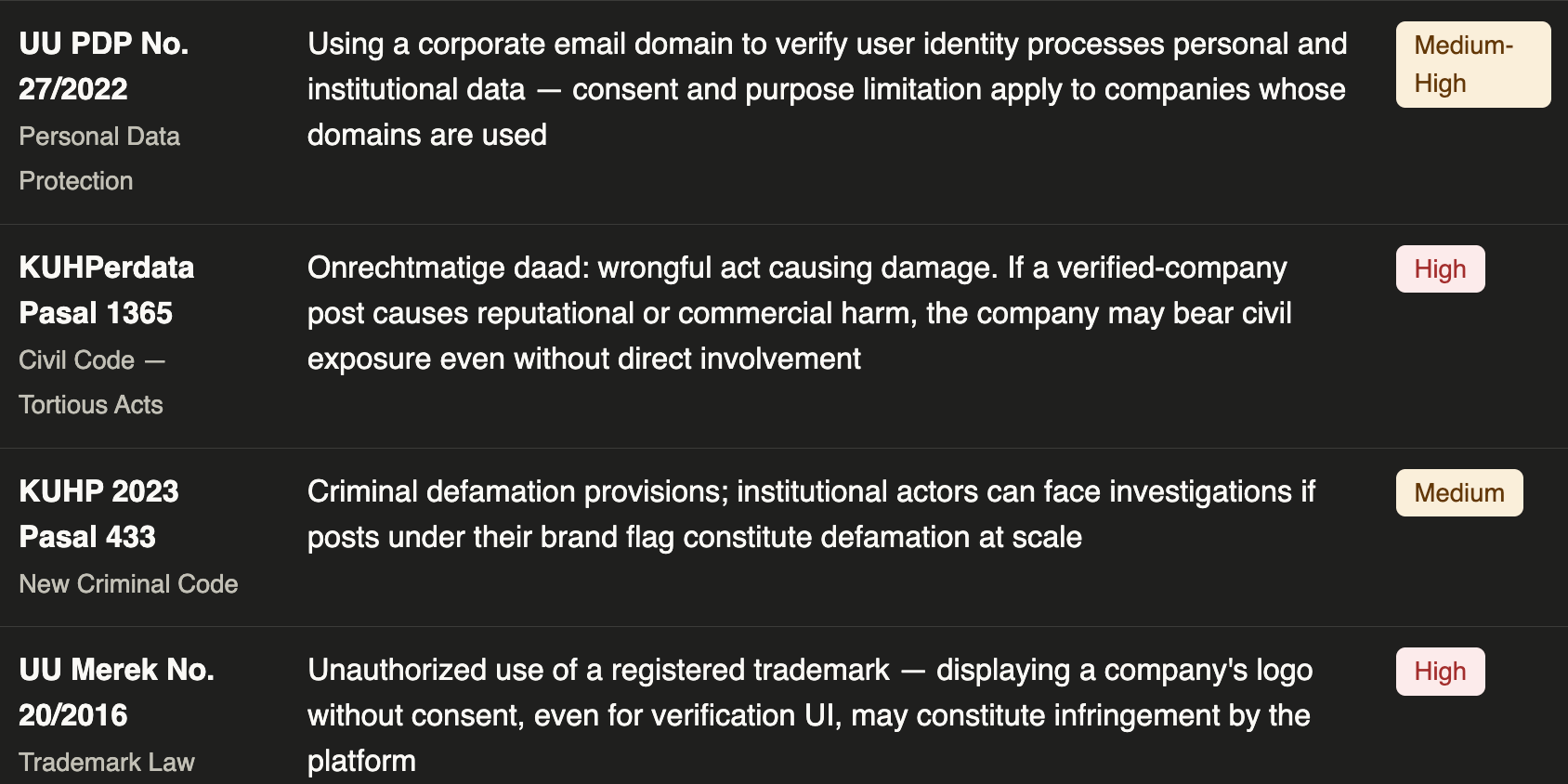
This is not speculative. Indonesian law provides multiple vectors through which brand liability can materialize from anonymous forum posts:
A Scenario That Illustrates the Exposure
Hypothetical — based on actual platform mechanics
An employee at a publicly listed Indonesian company posts on FOMO Indonesia that their employer engages in "systematic fraud in procurement." The post appears with the company's logo as a verified affiliation badge. The post is screenshotted and circulates on Twitter/X and WhatsApp. The company's stock price reacts. Investors suffer losses. Reporters write stories citing "an insider from the company." The company had no knowledge the employee posted this. They did not authorize the use of their logo. They have no mechanism to remove the post. But their brand — their verified corporate identity — was the engine of distribution credibility.
Now consider: who does the harmed investor sue? Who does the regulator investigate? Who does the reporter cite as having "an insider source"? The answer in each case involves the company — not the platform, and certainly not the anonymous individual.
This is not a future scenario. It is a present vulnerability. And it is one that Indonesian legal doctrine is increasingly equipped to address, even if enforcement lags behind.
The Platform's Position: Legally Convenient, Morally Hollow
Platforms like FOMO Indonesia and Teamblind profit from the very dynamic they create. Verified company tags drive engagement — people read "Verified Gojek Employee says..." with far more attention than "Anonymous User says..." The company badge is the product's value proposition.
Yet when legal challenges arise, these platforms retreat behind two shields:
Shield 1 — "We're just a platform." They invoke intermediary safe harbor provisions, arguing they are not responsible for user content. This argument weakens considerably when the platform's own verification mechanic actively creates the institutional association.
Shield 2 — "The user owns their speech." This is true — but it deflects without addressing the core issue. The user's speech would carry minimal weight without the company's brand signal. The platform profits from borrowing brand equity it did not build and does not own.
Indonesian law, particularly with the strengthened framework under UU PDP and the reformulated KUHP 2023, is beginning to close these gaps. Platforms that process institutional identity signals without explicit authorization from those institutions face mounting exposure.
What Companies Must Do — Now
Brand protection in the age of anonymous professional forums requires proactive legal architecture, not reactive PR management. Specifically:
1. Issue formal written notices. Every company whose logo appears on these platforms without consent should send a formal notice invoking UU Merek 2016 — the unauthorized display of a registered trademark is an actionable infringement. Document this with a timestamp.
2. Audit your domain's appearance on these platforms. You may not know your corporate email domain is being used to verify accounts on FOMO Indonesia or Teamblind. A simple search often reveals active employee accounts posting under your brand signal without any policy governance in place.
3. Draft internal policies on professional forum use. Employment agreements in Indonesia are increasingly expected to address digital conduct. Employees who create reputational exposure via verified-company posts can face internal disciplinary action and, in severe cases, civil claims from the employer.
4. Engage Kominfo and BRTI proactively. The regulatory posture toward anonymous platforms that misuse brand identity is evolving. Companies with documented trademark misuse cases are in a strong position to shape that regulatory development.
5. Distinguish the fight clearly. This is not an argument to eliminate anonymous forums. It is an argument that anonymous forums should not be allowed to launder credibility by appropriating brand identity. Anonymity and brand integrity can coexist — but not on the current architectural terms that FOMO Indonesia and Teamblind have chosen.
"Anonymity protects the individual speaker. It should never become a mechanism that transfers liability — and reputational weight — onto institutions who never agreed to be part of the conversation."— on brand protection in Indonesia's digital ecosystem
At Infraloka, we believe technology must be built with accountability embedded in its architecture — not disclaimed in its terms of service. The same principle applies to the platforms we allow to use our clients' and partners' brand identities. The time to act is before the post goes viral, not after.
If your company has discovered its logo being used on anonymous platforms without consent, or if you want to understand the legal options available under Indonesian digital law, I am happy to discuss further in the comments or via direct message.
#BrandProtection#IndonesiaDigitalLaw#UUITE#UUPDP#Infraloka#AnonymousForum#FOMOIndonesia#Teamblind#TrademarkLaw#TechLaw
A Scenario That Illustrates the Exposure
Hypothetical — based on actual platform mechanics
An employee at a publicly listed Indonesian company posts on FOMO Indonesia that their employer engages in "systematic fraud in procurement." The post appears with the company's logo as a verified affiliation badge. The post is screenshotted and circulates on Twitter/X and WhatsApp. The company's stock price reacts. Investors suffer losses. Reporters write stories citing "an insider from the company." The company had no knowledge the employee posted this. They did not authorize the use of their logo. They have no mechanism to remove the post. But their brand — their verified corporate identity — was the engine of distribution credibility.
Now consider: who does the harmed investor sue? Who does the regulator investigate? Who does the reporter cite as having "an insider source"? The answer in each case involves the company — not the platform, and certainly not the anonymous individual.
This is not a future scenario. It is a present vulnerability. And it is one that Indonesian legal doctrine is increasingly equipped to address, even if enforcement lags behind.
The Platform's Position: Legally Convenient, Morally Hollow
Platforms like FOMO Indonesia and Teamblind profit from the very dynamic they create. Verified company tags drive engagement — people read "Verified Gojek Employee says..." with far more attention than "Anonymous User says..." The company badge is the product's value proposition.
Yet when legal challenges arise, these platforms retreat behind two shields:
Shield 1 — "We're just a platform." They invoke intermediary safe harbor provisions, arguing they are not responsible for user content. This argument weakens considerably when the platform's own verification mechanic actively creates the institutional association.
Shield 2 — "The user owns their speech." This is true — but it deflects without addressing the core issue. The user's speech would carry minimal weight without the company's brand signal. The platform profits from borrowing brand equity it did not build and does not own.
Indonesian law, particularly with the strengthened framework under UU PDP and the reformulated KUHP 2023, is beginning to close these gaps. Platforms that process institutional identity signals without explicit authorization from those institutions face mounting exposure.
What Companies Must Do — Now
Brand protection in the age of anonymous professional forums requires proactive legal architecture, not reactive PR management. Specifically:
1. Issue formal written notices. Every company whose logo appears on these platforms without consent should send a formal notice invoking UU Merek 2016 — the unauthorized display of a registered trademark is an actionable infringement. Document this with a timestamp.
2. Audit your domain's appearance on these platforms. You may not know your corporate email domain is being used to verify accounts on FOMO Indonesia or Teamblind. A simple search often reveals active employee accounts posting under your brand signal without any policy governance in place.
3. Draft internal policies on professional forum use. Employment agreements in Indonesia are increasingly expected to address digital conduct. Employees who create reputational exposure via verified-company posts can face internal disciplinary action and, in severe cases, civil claims from the employer.
4. Engage Kominfo and BRTI proactively. The regulatory posture toward anonymous platforms that misuse brand identity is evolving. Companies with documented trademark misuse cases are in a strong position to shape that regulatory development.
5. Distinguish the fight clearly. This is not an argument to eliminate anonymous forums. It is an argument that anonymous forums should not be allowed to launder credibility by appropriating brand identity. Anonymity and brand integrity can coexist — but not on the current architectural terms that FOMO Indonesia and Teamblind have chosen.
"Anonymity protects the individual speaker. It should never become a mechanism that transfers liability — and reputational weight — onto institutions who never agreed to be part of the conversation."— on brand protection in Indonesia's digital ecosystem
At Infraloka, we believe technology must be built with accountability embedded in its architecture — not disclaimed in its terms of service. The same principle applies to the platforms we allow to use our clients' and partners' brand identities. The time to act is before the post goes viral, not after.
If your company has discovered its logo being used on anonymous platforms without consent, or if you want to understand the legal options available under Indonesian digital law, I am happy to discuss further in the comments or via direct message.
#BrandProtection#IndonesiaDigitalLaw#UUITE#UUPDP#Infraloka#AnonymousForum#FOMOIndonesia#Teamblind#TrademarkLaw#TechLaw