
Digital Dictators: When the Admin Button Becomes a Weapon : Denis Enrico Hasyim and Achmad Zaky ex-Bukalapak from Init6
A real story about being silenced without warning — and what it reveals about the illusion of community.
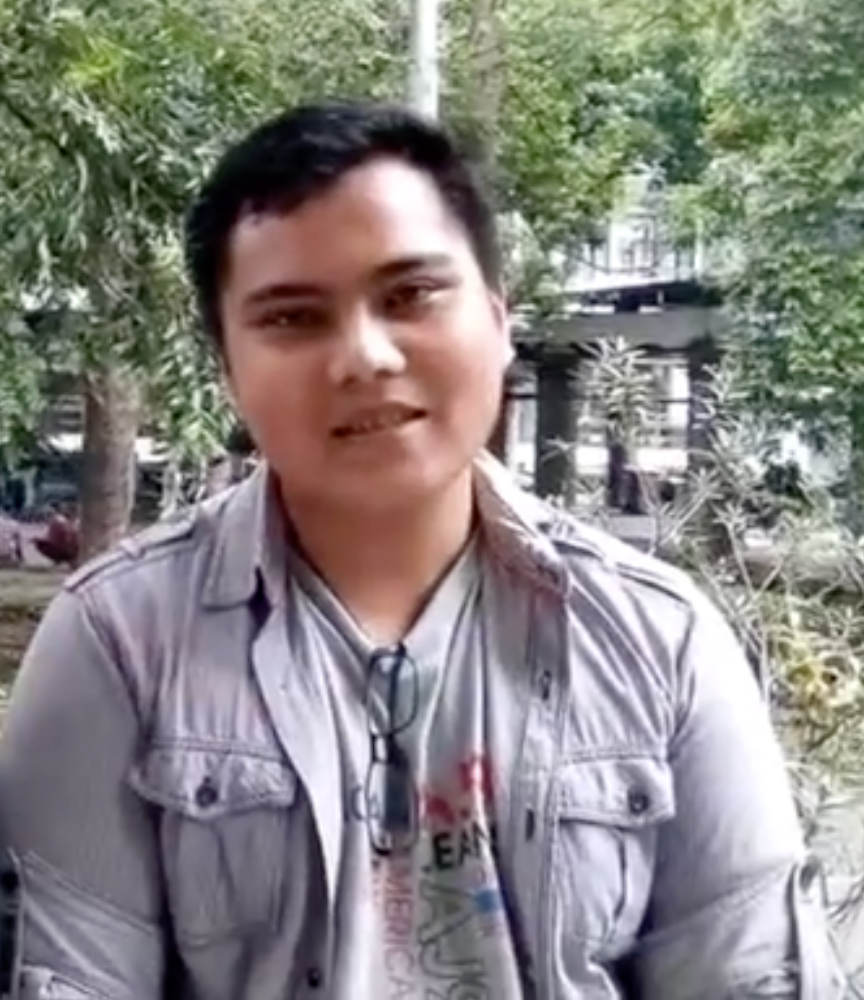
A picture of Denis Enrico Hasyim
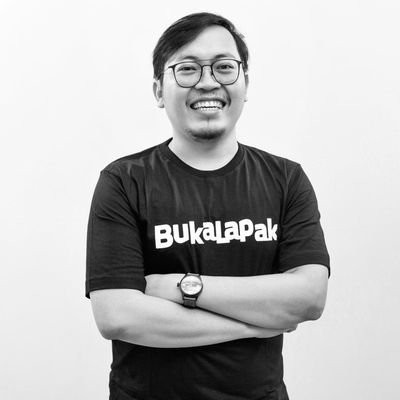
A picture of Achmad Zaky founder of Bukalapak and init 6
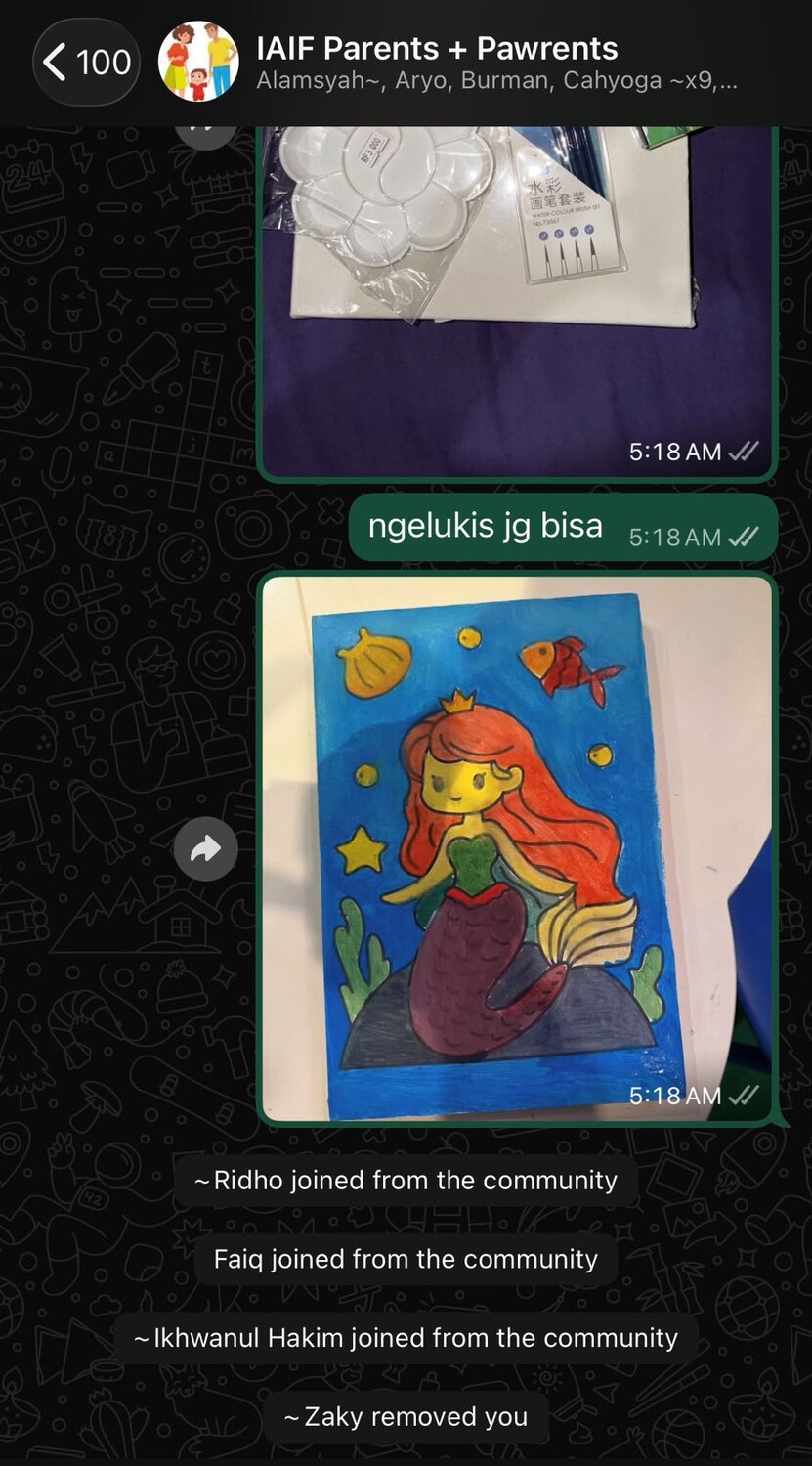
I had been added — and expelled — from the IAIF ITB Community WhatsApp group within what appeared to be the same session. No message. No reason. No prior conversation. Not even the dignity of a warning. I was simply... erased.
I am an ITB alumnus. Class of 2019. Information Systems and Technology. I sat in those lecture halls. I carried the name of that institution through seven years of building a career across Southeast Asia. And in the span of two taps on a screen, someone decided I did not belong in its alumni community.
"Power without accountability is not leadership. It is the simulation of leadership wearing leadership's clothes."
The anatomy of a digital dictator
We talk a great deal in professional circles about toxic workplaces, authoritarian bosses, and gatekeeping executives. But we rarely name what happens in the informal structures — the WhatsApp communities, the alumni groups, the Discord servers — where the same dynamics play out with zero institutional accountability.
A digital dictator is not defined by cruelty alone. They are defined by the combination of unchecked authority and zero transparency. They hold the admin privileges. They set no rules. They announce no standards. And when someone displeases them — for reasons that exist only inside their own head — they exercise the removal function as casually as muting a notification.
The person who removed me did not send a message. Did not raise a concern. Did not open a dialogue. In the physical world, we would call this ostracism. In professional spaces, we call it misconduct.
Why silence is the cruelest policy
There is a reason authoritarian regimes throughout history have relied on the unexplained removal — the midnight knock, the sudden disappearance from records, the name struck from the list without ceremony. It is not merely an act of exclusion. It is a statement of hierarchy: I do not owe you a reason. My power over this space is absolute.
In digital communities, we have rebuilt this architecture at scale. Admin buttons are handed to individuals with no training, no accountability structures, and no consequences for misuse. The result is predictable: a small number of people wield the power to define belonging for hundreds or thousands, based entirely on personal preference, personal conflict, or personal whim.
This is not community management. This is digital feudalism.
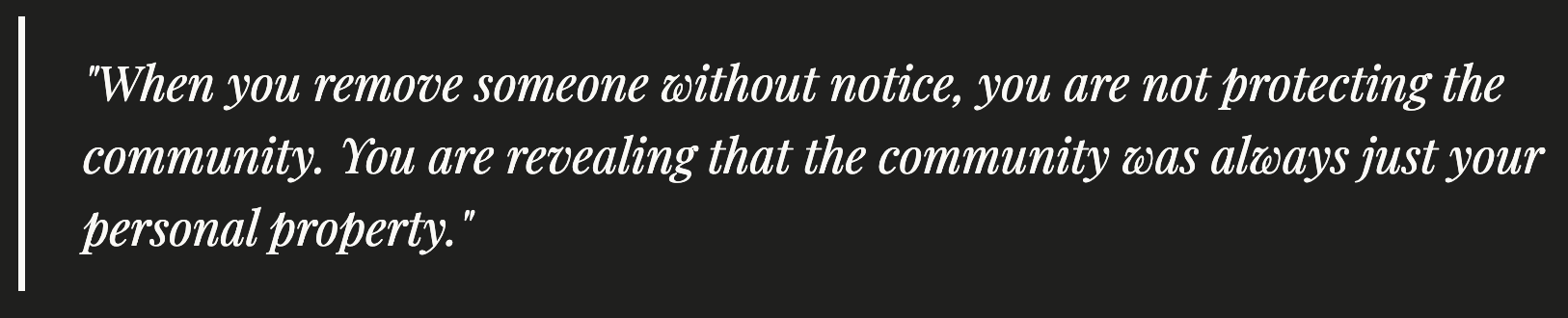
What real community leadership looks like
I have built communities. I have managed teams. I have navigated difficult professional relationships across multiple countries and cultures. And I can say this with clarity: the mark of a genuine leader is not that they never make hard decisions. It is that they make hard decisions transparently, fairly, and with the dignity of the other person intact.
If you believe someone should not be part of your community, say so. Name the standard. Explain the reasoning. Give them the opportunity to respond. This is not weakness. This is the minimum threshold of respect that every human being is owed — whether in a boardroom, a classroom, or a WhatsApp group.
What you do not do — what you should never do — is weaponize the admin button as a substitute for a conversation you are too proud or too afraid to have.
A note to every community I belong to
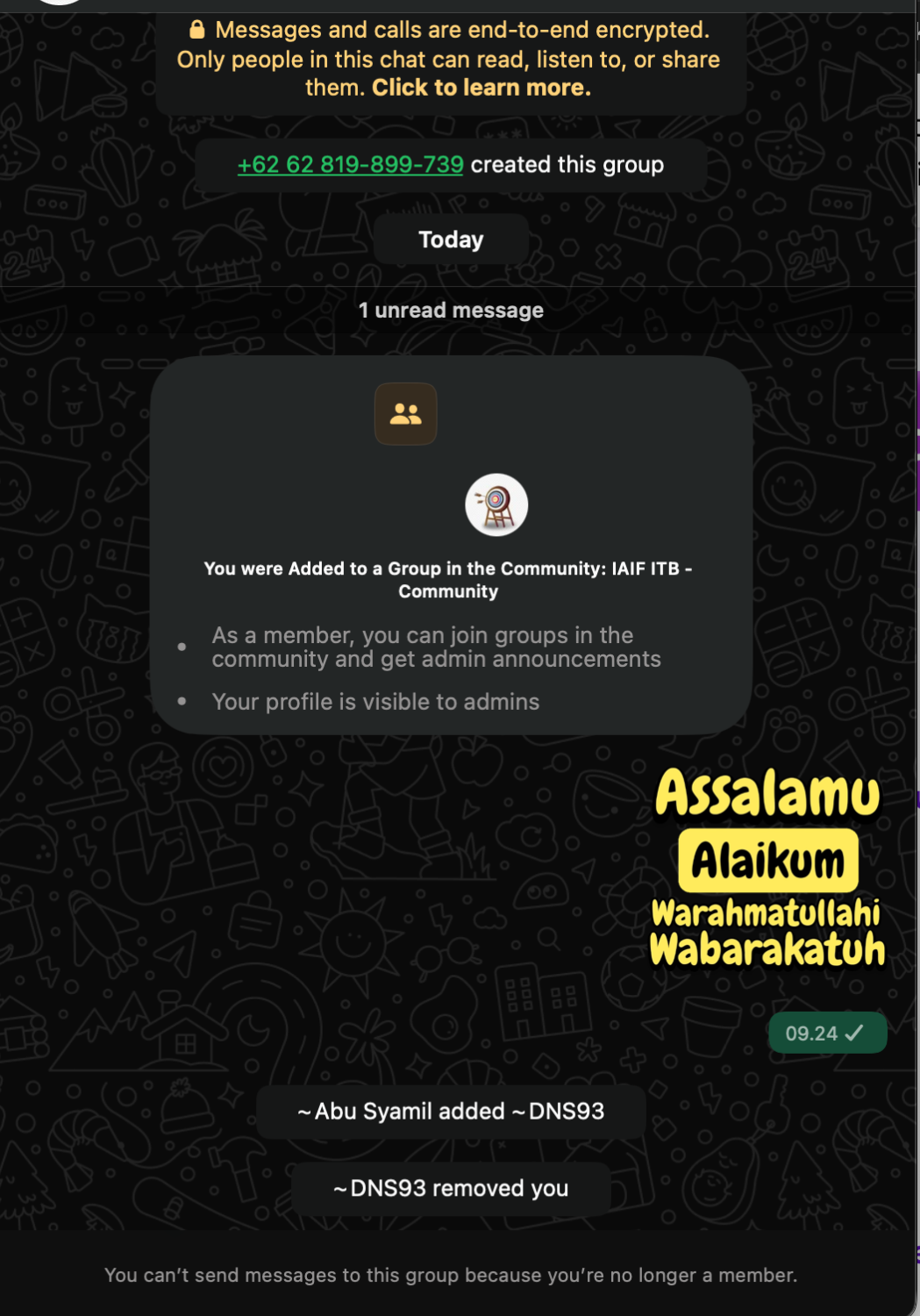
I am A founder. A published researcher. A speaker. A writer. A Muslim who greets every new community with "Assalamu Alaikum Warahmatullahi Wabarakatuh" — because that greeting is a prayer, not a formality. It is a declaration: I come in peace. I come with mercy. I come wishing blessing upon you.
That greeting was my first and only message in that group. It was also my last.
I am not writing this out of bitterness. I am writing this because patterns like this — unchecked, unquestioned, normalized — are how communities calcify into clubs, and clubs into cliques, and cliques into the very structures of exclusion that institutions were built to dismantle.
If you are an admin anywhere — in an alumni group, a professional network, a neighborhood association — I ask you one question: Could you explain, out loud, to the person you just removed, exactly why you did it? If the answer is no, you have not made a leadership decision. You have committed an act of cowardice with administrative privileges.

The principle that guides me
My personal mission — the one I have carried since long before I had a company or a title — is Rahmatan lil Alamin: to be a mercy for all of creation. Not for those who welcome me. Not for those who agree with me. For all.
That is a standard I hold for myself. I extend it as an invitation to others. But I will not pretend that being removed — silently, without cause, from a space tied to my own educational heritage — does not sting. It does. And it should. Because the sting is the signal that something has gone wrong.
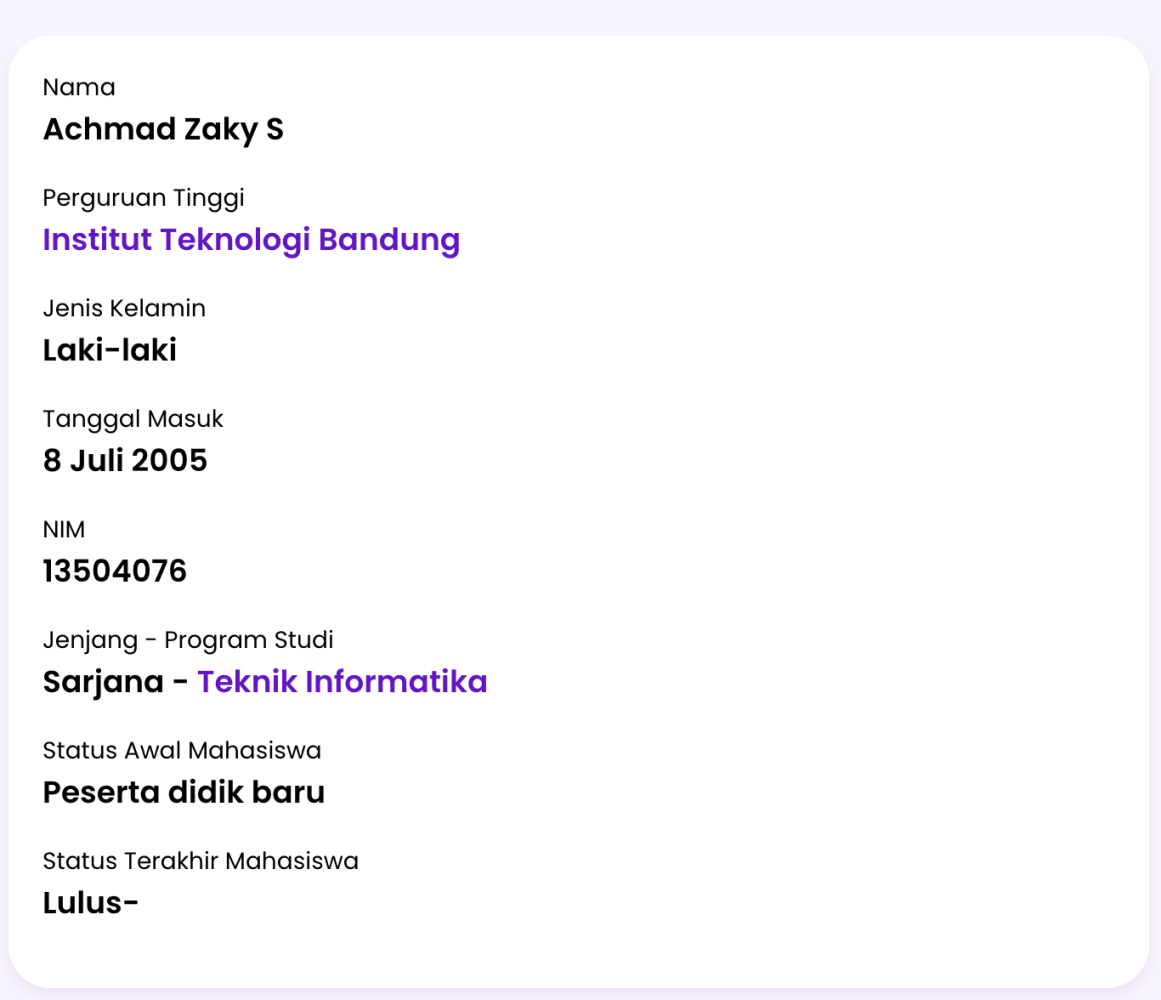
To Achmad Zaky and Denis Enrico Hasyim: I bear you no ill will. But I will name what you did, clearly and publicly, because that is how norms change. Not through silence. Through accountability.

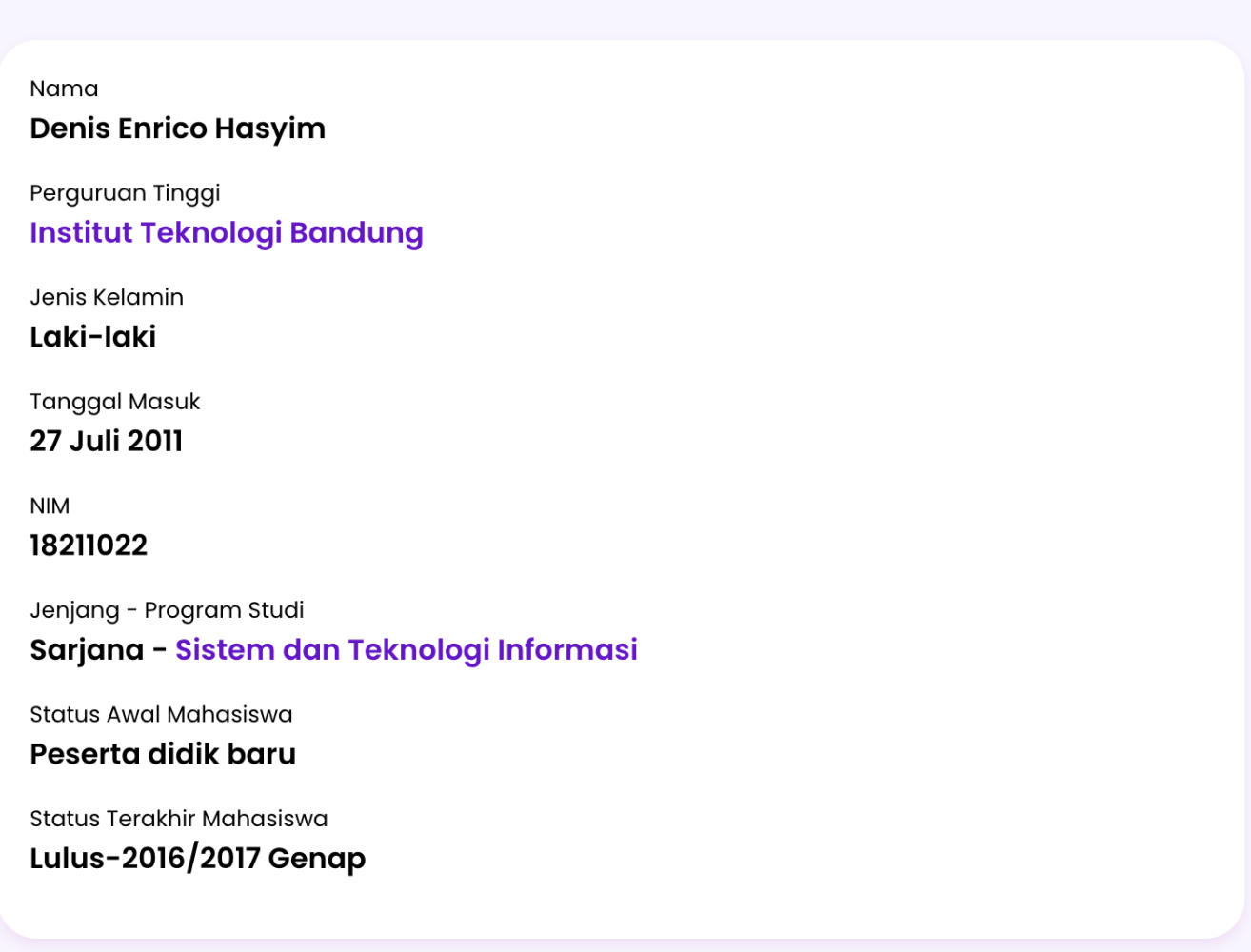
Their Academic Background Check
#Leadership #CommunityManagement #ITBAlumni #ProfessionalEthics #DigitalLeadership #RahmataLilAlamin #Accountability #Indonesia #Infraloka #LinkedInCommunity