
From Tourism to Custodianship Revolutionizing Tourism With Cultural Heritage By Rahmat Wibowo From InfraLoka
A Strategic Deep Research Report on Anchoring Indonesia's Cultural Heritage
Tourism is one of the most powerful forces for cultural exchange in the world. It is also one of the most reliable mechanisms for destroying the thing it claims to celebrate.
— Paraphrased from the ICOMOS International Charter for Cultural Heritage Tourism, 2022
The Heritage Preservation Emergency
Indonesia holds ten UNESCO World Heritage Sites and fifteen active Intangible Cultural Heritage (ICH) inscriptions. Yet, the vast majority of these profound cultural assets lack multilingual digital interpretation, unified visitor analytics, and transparent community benefit-sharing infrastructure. As the global heritage tourism market surges to a projected USD 624.55 billion, the gap between what Indonesia's heritage represents and the value it actually captures has become both a commercial opportunity and a preservation emergency.
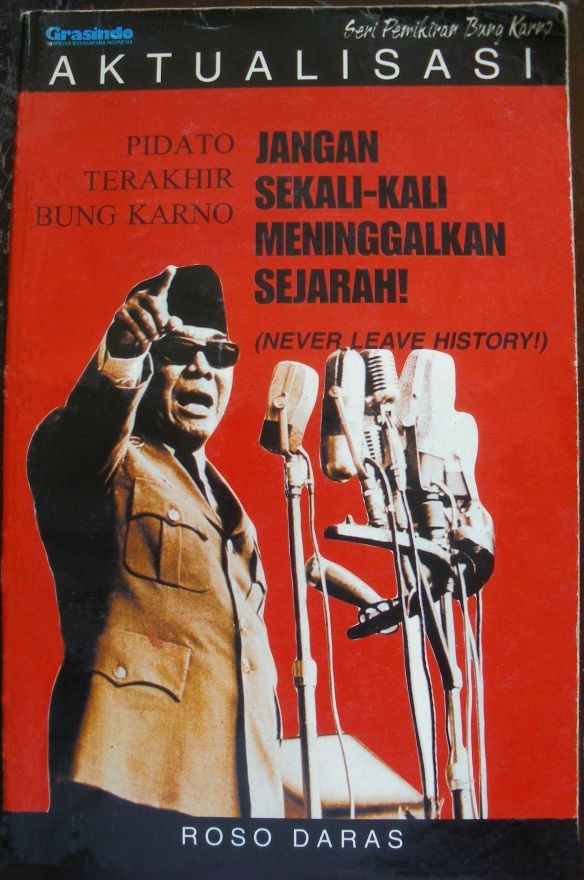
Infraloka operates at the critical intersection of digital infrastructure and Indonesian identity. This is not merely a business proposition; it is a strategic roadmap to transition from the extractive models of traditional tourism into an era of digital custodianship. It requires an alignment of profound historical philosophy—Jasmerah ("Jangan Sekali-kali Meninggalkan Sejarah")—with cutting-edge WebXR technology and rigorous international preservation standards.
Lessons from the Global Landscape
To understand the stakes, we must look at how source-based tourism has scaled—and failed—globally. The sector is not monolithic, spanning Archaeological Tourism (ruins), Living Heritage (crafts and performances), and Digital Heritage (VR/AR).
The Scale: Angkor Wat
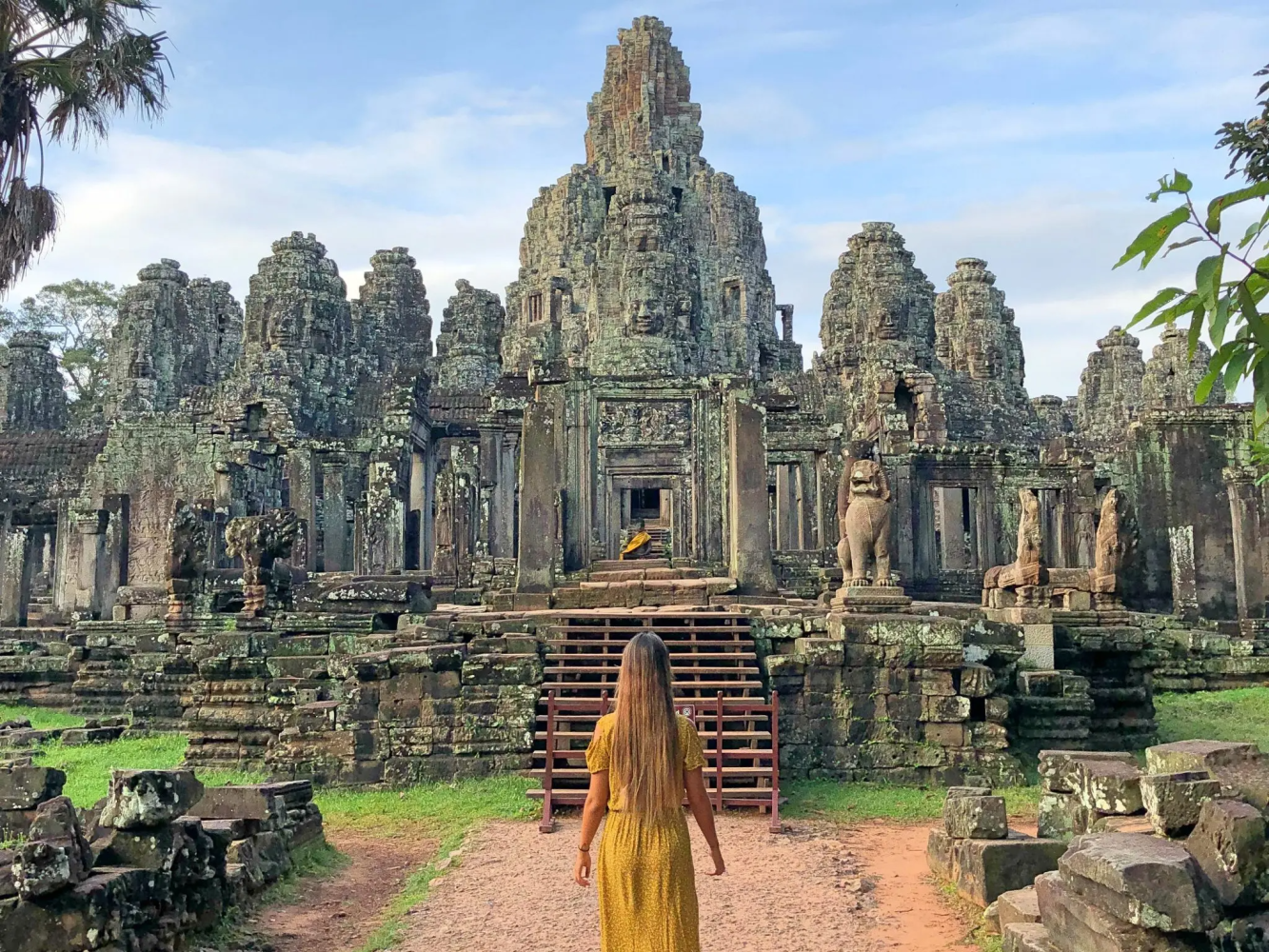
Generating ~USD 60M annually through a single-gate APSARA Authority system. It proves that a unified, authorized management entity is the most commercially scalable architecture.
The Failure: Dubrovnik
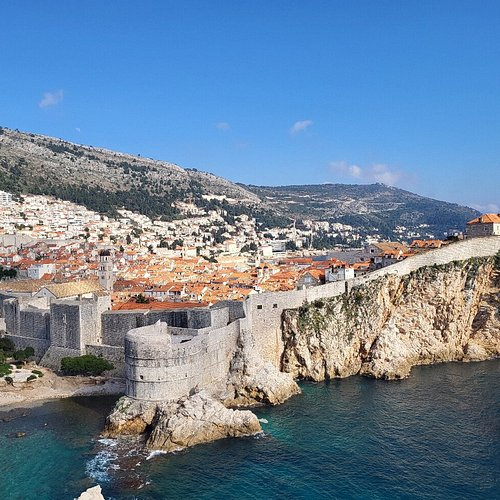
Insertion into Game of Thrones destroyed its social carrying capacity (1.3M visitors in a city of 28,000), forcing reactive daily visitor caps. A platform must build cap mechanisms from Year 1, not in response to backlash.
The Innovation: Virtual Pompeii
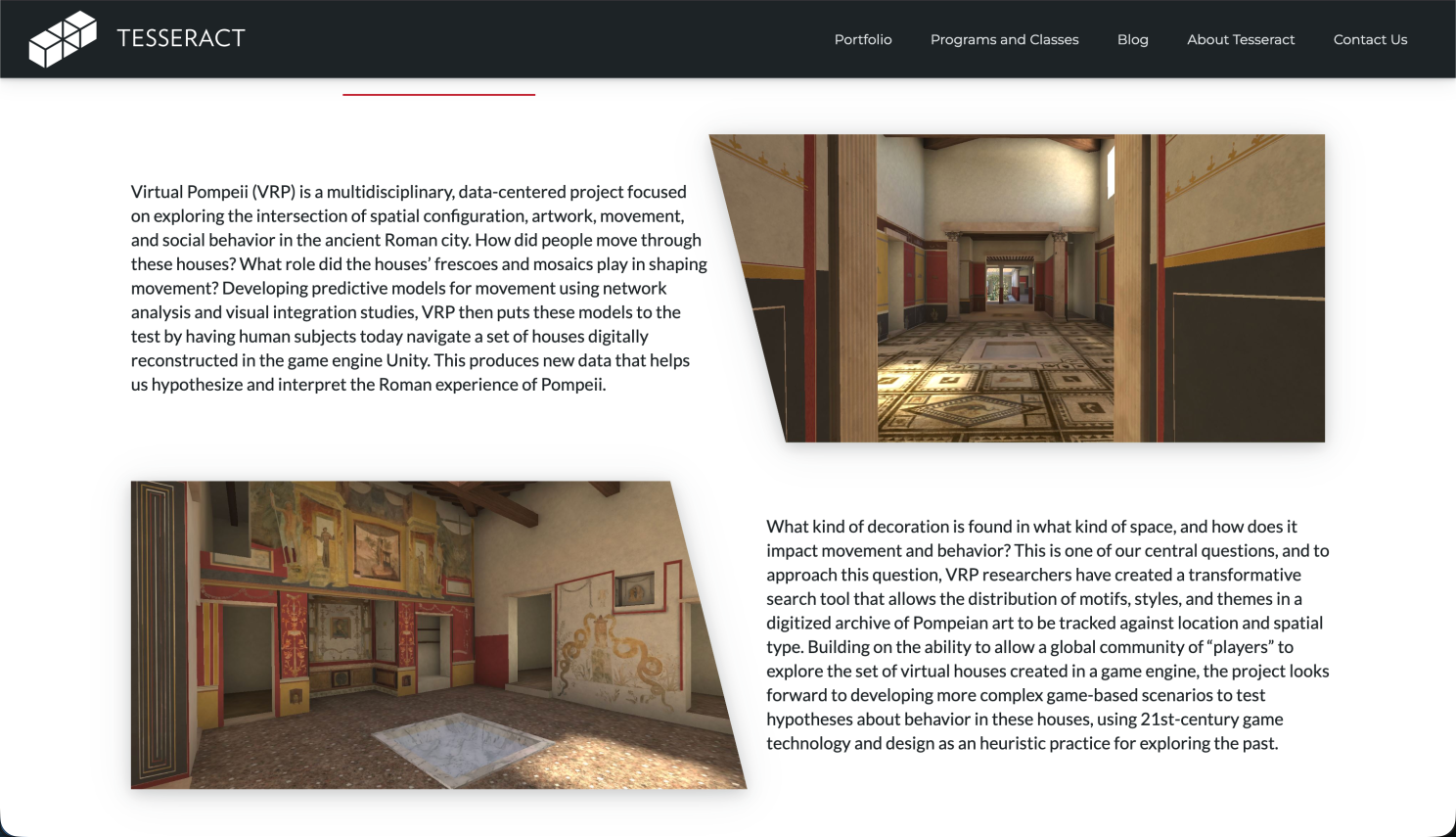
Demonstrated that "temporal toggling" (ruins vs. reconstruction) is the highest-engagement digital mechanic. Showing "Borobudur now vs. 850 AD" is more valuable than passive 360-degree video.
The Strategic Five-Pillar Architecture
The roadmap requires a strict sequential execution. Digital documentation is the blocking dependency: you cannot curate a tourism circuit, contribute to UNESCO State of Conservation reports, or build AR experiences without an underlying, highly accurate digital archive.
Pillar A: Digital Heritage Documentation
Deploying professional 3D scanning (UAV photogrammetry, Terrestrial Laser Scanning) to create scan-to-HBIM models at LOD 300-400. Crucially, this relies on a Community Data Ownership Agreement (CDOA), ensuring indigenous groups retain derivative digital rights, and a Sacred Content Classification Protocol to protect culturally sensitive data from API exposure.
Pillar B: Living Heritage Tourism Circuit
The platform must never make traditional market production economically irrational.
Multi-day curated circuits connecting ICH communities (Wayang, Batik, Saman dance). The model utilizes the ICOMOS 2023 anti-commodification framework to prevent three failures:
- Spectacularization: Communities strictly define boundaries between public demonstrations and closed sacred practices.
- Simplification: Interpretive content is vetted by designated cultural liaisons.
- Displacement: Practitioners are paid rates that compete with, rather than undercut, their traditional livelihoods.
Pillar C: UNESCO Partnership Layer
Positioning Infraloka as an authorized private-sector implementation partner. This entails providing real-time visitor impact data for State of Conservation (SOC) reports and commissioning mandatory Heritage Impact Assessments (HIA) before any digital or physical infrastructure is placed within a heritage buffer zone.
Pillar D: EdTech & Heritage Narrative
Developing WebXR-based learning modules distributed via government procurement channels (SIPLah, Platform Merdeka Mengajar) and Prakerja certification tracks. It brings temporal historical narrative directly into Indonesian classrooms without requiring massive download overheads.
Pillar E: Bilateral Historical Tourism & Global B2B Network
Leveraging the philosophy of Jasmerah, this pillar builds cross-border itineraries connecting international visitors to Indonesia through shared histories (e.g., Indonesia-Netherlands, Indonesia-Japan, Srivijaya ties). It utilizes a LinkedIn B2B Affiliate Network to recruit global travel agents. However, all itineraries undergo rigorous historian vetting through a Shared Heritage Interpretation Framework to prevent the unethical commodification of colonial or wartime trauma (Dark Tourism).
#CulturalHeritage #SustainableTourism #UNESCO #Indonesia #ASEAN #Jasmerah #DigitalTransformation #TravelTech #B2BTravel #Infraloka
Source References & Legal Frameworks
- UNESCO World Heritage Operational Guidelines (WHC.24/01, 31 July 2024).
- UNESCO 2003 Convention for the Safeguarding of the Intangible Cultural Heritage.
- ICOMOS International Charter for Cultural Heritage Tourism (2022).
- ICOMOS International Charter and Guidance on Sites with Intangible Cultural Heritage (adopted November 2024).
- ICCROM/ICOMOS Guidance and Toolkit for Heritage Impact Assessment for Cultural World Heritage Properties (2022).
- Indonesian Legal Frameworks: UU No. 11/2010 (Cagar Budaya), UU No. 5/2017 (Pemajuan Kebudayaan), UU No. 27/2022 (Perlindungan Data Pribadi).
- Grand View Research. Heritage Tourism Market Size, Share and Trends Analysis Report 2025-2033.