
Legal Risk Analysis, Judgment Forecast, and AEGIS-Style Evidentiary Review
A comprehensive AEGIS legal research investigation and case audit regarding Pekerja Kesepian.
RAHMAT WIBOWO | INFRALOKA LEGAL RESEARCH | PT INFRASTRUKTUR DIGITAL NUSANTARA
Case: Pekerja Kesepian Discord Server Harassment Cluster
Independent legal risk analysis and judgment forecast · June 2026
Claimant/Victim: Rahmat Wibowo Potential Defendants: Multiple identified Discord participants and moderators linked to the "Pekerja Kesepian" server Verified Primary Sources Used: Indonesian Criminal Code under Law No. 1 of 2023, Indonesian Civil Code Evidence Set Reviewed: 9 screenshots, claimant factual memorandum, prior somasi draft Scope Note: This report is limited to legal provisions that could be verified directly from source PDFs present in this workspace.
Executive Verdict
Based on the presently available record, the case presents a credible and litigation-capable harassment and defamation claim with its strongest foundation in the 2023 Criminal Code provisions on insult, written defamation, false imputation, and sentence aggravation when information technology is used, together with the Civil Code provisions on unlawful acts, damages, restoration of honor, and the one-year limitation clock for insult claims.
My forecast is that the most likely practical court-facing outcome is a moderate-to-high severity result, centered on a combination of civil damages, compelled removal or apology, and selective criminal exposure for the most active participants or moderators if attribution is proved with sufficient precision.
Headline Probabilities
| Category | Probability | Meaning |
|---|---|---|
| Low Severity | 18% | Settlement, apology, takedown, limited sanctions |
| Moderate Severity | 44% | Suspended sentence, criminal fine, medium civil damages |
| High Severity | 38% | Active custodial sentence for some actors, aggravated sentencing, large damages, public restoration measures |
Most likely single outcome: Large civil damages plus public apology and content removal (16%)
Case Summary
The underlying allegation is that a cluster of users inside the "Pekerja Kesepian" Discord server participated in repeated ridicule, humiliation, and hostile commentary directed at Rahmat Wibowo. The factual record currently available indicates mockery inside a semi-public online community environment, visible audience participation, reaction-based amplification, and moderator presence during at least part of the relevant conduct.
The case is materially aggravated by four features. First, the communications occurred through an information-technology platform, which matters directly under Article 441 of the 2023 Criminal Code. Second, the conduct appears social and cumulative rather than isolated, creating a pattern rather than a single utterance. Third, the claimant states that several participants were existing social-media mutuals, which strengthens the narrative of betrayal and targeted humiliation. Fourth, the claimant reports serious mental-health consequences, including relapse of trauma symptoms and prolonged social isolation.
The current record is also imperfect. Not every screenshot proves the same legal element, not every identified user is shown making the same kind of statement, and attribution remains the main evidentiary fault line. That does not destroy the claim, but it means the case will be strongest if framed as a differentiated liability matrix rather than a single undivided accusation against every named person.
Verified Legal Basis
Criminal and Civil Provisions Mapped to the Record
| No | Source | Article | Verified Rule | Relevance to This Case |
|---|---|---|---|---|
| 1 | Law No. 1 of 2023 (KUHP) | Article 433(1) | Oral attack on honor or reputation by imputing a matter so it becomes publicly known; maximum 9 months imprisonment or category II fine | Covers spoken or typed accusations if the expression is functionally public and aimed at reputation |
| 2 | Law No. 1 of 2023 (KUHP) | Article 433(2) | Written or pictorial defamation published, displayed, or posted publicly; maximum 1 year 6 months imprisonment or category III fine | Strong fit for written mocking or defamatory online postings |
| 3 | Law No. 1 of 2023 (KUHP) | Article 434(1) | Slander when the accused speaker is given a chance to prove the accusation but cannot, and knew it was contrary to truth; maximum 3 years imprisonment or category IV fine | Relevant if any factual accusation against the claimant is shown false and knowingly asserted |
| 4 | Law No. 1 of 2023 (KUHP) | Article 436 | Light insult not amounting to defamation or written defamation; maximum 6 months imprisonment or category II fine | Captures direct ridicule, degrading mockery, and non-factual insults |
| 5 | Law No. 1 of 2023 (KUHP) | Article 438 | Causing a false suspicion that another committed a crime; maximum 3 years 6 months imprisonment or category IV fine | Relevant only if the evidence shows false criminal insinuation |
| 6 | Law No. 1 of 2023 (KUHP) | Article 441(1) | Penalties in Articles 433 to 439 increase by one-third if committed using information technology | Direct aggravating factor because the conduct occurred via Discord |
| 7 | Indonesian Civil Code | Article 1365 | Unlawful act causing loss obliges the wrongdoer to compensate | Core civil-liability provision |
| 8 | Indonesian Civil Code | Article 1372 | Civil insult claim may seek damages and restoration of honor and reputation | Strong basis for apology, declaratory relief, and compensation |
| 9 | Indonesian Civil Code | Article 1380 | Insult claims lapse after one year from the act and knowledge thereof | Critical timing risk for older incidents unless continuous conduct or newer incidents are established |
Verified Primary Extracts
Article 433 KUHP 2023
Verified from the official PDF in this workspace:
"Setiap Orang yang dengan lisan menyerang kehormatan atau nama baik orang lain dengan cara menuduhkan suatu hal, dengan maksud supaya hal tersebut diketahui umum, dipidana karena pencemaran..."
"Jika perbuatan ... dilakukan dengan tulisan atau gambar yang disiarkan, dipertunjukkan, atau ditempelkan di tempat umum, dipidana karena pencemaran tertulis..."
Article 434 KUHP 2023
"Jika Setiap Orang sebagaimana dimaksud dalam Pasal 433 diberi kesempatan membuktikan kebenaran hal yang dituduhkan tetapi tidak dapat membuktikannya, dan tuduhan tersebut bertentangan dengan yang diketahuinya, dipidana karena fitnah..."
Article 436 KUHP 2023
"Penghinaan yang tidak bersifat pencemaran atau pencemaran tertulis ... dipidana karena penghinaan ringan..."
Article 438 KUHP 2023
"Setiap Orang yang dengan suatu perbuatan menimbulkan persangkaan palsu terhadap orang lain bahwa orang tersebut melakukan suatu Tindak Pidana..."
Article 441 KUHP 2023
"Ketentuan pidana sebagaimana dimaksud dalam Pasal 433 sampai dengan Pasal 439 dapat ditambah 1/3 (satu per tiga) jika dilakukan dengan sarana teknologi informasi."
Article 1365 Civil Code
"Tiap perbuatan yang melanggar hukum dan membawa kerugian kepada orang lain, mewajibkan orang yang menimbulkan kerugian itu karena kesalahannya untuk menggantikan kerugian tersebut."
Article 1372 Civil Code
"Tuntutan perdata tentang hal penghinaan diajukan untuk memperoleh penggantian kerugian serta pemulihan kehormatan dan nama baik."
Article 1380 Civil Code
"Tuntutan dalam perkara penghinaan gugur dengan lewatnya waktu satu tahun, terhitung mulai dari hari perbuatan termaksud dilakukan oleh tergugat dan diketahui oleh penggugat."
Verified Fine Categories Under KUHP 2023
The same verified KUHP PDF also sets the fine-category values used by Articles 433, 434, 436, and 438:
- Category I: Rp1,000,000
- Category II: Rp10,000,000
- Category III: Rp50,000,000
- Category IV: Rp200,000,000
Because Article 441(1) allows an increase of 1/3 when the offense is committed through information technology, the adjusted criminal-fine ceilings most relevant to this case are:
| Theory | Base Fine Ceiling | Article 441(1) Adjusted Ceiling |
|---|---|---|
| Article 433(1) oral defamation | Rp10,000,000 | about Rp13,333,333 |
| Article 433(2) written defamation | Rp50,000,000 | about Rp66,666,667 |
| Article 434(1) slander | Rp200,000,000 | about Rp266,666,667 |
| Article 436 light insult | Rp10,000,000 | about Rp13,333,333 |
| Article 438 false criminal suspicion | Rp200,000,000 | about Rp266,666,667 |
Estimated Fine Exposure for This Record
On the current evidence, the most realistic criminal fine exposure is not the statutory maximum. The strongest proven theory remains Article 436 and, where a written imputation can be extracted clearly, Article 433(2). That yields the following working estimate:
- Most likely fine band for direct speakers: about Rp10,000,000 to Rp66,666,667 per convicted person
- Most likely fine band for moderators if active participation is proved: about Rp10,000,000 to Rp66,666,667 per convicted moderator, with stronger civil exposure than criminal exposure on the current record
- Upper-end fine band: up to about Rp266,666,667 per convicted person only if prosecutors can prove a stronger slander or false-imputation theory under Article 434 or Article 438 and then apply Article 441(1)
AEGIS Deep Research Review
This section applies the AEGIS style: skeptic, methodologist, and editor. The purpose is not advocacy optimism. It is to stress-test the case the way a hostile examiner, defense lawyer, or exacting judge would.
A. The Skeptic: What Is Actually Proved?
The evidence clearly supports a narrative of online mockery and hostile group behavior. It does not yet automatically prove that every named user committed defamation in the strict sense. Some screenshots appear to show ridicule, sarcasm, group laughter, or dismissive commentary. Those are highly relevant to Article 436 light insult and to the civil injury story. They are less automatically sufficient for Article 434 slander, which requires a more precise false accusation plus failure of proof.
The strongest criminal path therefore appears to be:
- Article 433(2) for written defamation if a specific imputational statement is identified.
- Article 436 for direct humiliation or degrading statements that do not rise to a full factual imputation.
- Article 441(1) for technology-based aggravation.
The weakest current path is Article 438, because the screenshot set reviewed so far does not plainly show a false accusation that the claimant committed a crime.
B. The Methodologist: Liability Must Be Differentiated
A disciplined court submission should split the defendants into evidentiary tiers:
| Tier | Description | Current Strength |
|---|---|---|
| Tier 1 | Users shown making explicit mocking or humiliating statements in the screenshots | Strong |
| Tier 2 | Users shown participating in the hostile thread, reacting, or amplifying the humiliation | Moderate |
| Tier 3 | Moderators present during the conduct or interacting in the thread without intervention | Moderate to strong for civil negligence/unlawful omission, weaker for direct criminal liability unless active participation is shown |
| Tier 4 | Named persons mentioned in claimant notes but not clearly tied to a visible message in the current screenshot set | Weak until further attribution evidence is added |
This distinction matters. A report that accuses all actors equally invites attack. A report that allocates individualized risk is more credible and more likely to survive scrutiny.
C. The Editor: Narrative Quality and Persuasiveness
The claimant's account contains emotionally powerful facts: betrayal by known contacts, relapse of trauma, self-isolation, and prolonged recovery. Those facts are persuasive, but the final legal filing will need a cleaner chronology and better date precision. Courts prefer a timeline, not a cluster of grievances. The eventual annex should therefore list:
- Date of each screenshot.
- Username shown.
- Quote in original Indonesian.
- English translation.
- Legal tag: insult, written defamation, amplification, moderator omission, or contextual evidence.
D. Evidentiary Strengths
- The conduct occurred in a documented digital environment.
- Several screenshots show usernames, thread continuity, reactions, and audience context.
- The Discord server description helps prove a real community setting rather than a fabricated conversation.
- The claimant's factual statement provides a theory of harm linking the conduct to relapse and isolation.
- Technology use is not speculative; it is visually obvious.
E. Evidentiary Vulnerabilities
- Some visible statements are mocking but not obviously defamatory in the narrow legal sense.
- Attribution of real-world identity to each username is not complete from screenshots alone.
- The one-year limitation rule under Article 1380 creates urgency and may force reliance on later conduct or continuing-harm framing.
- The medical-harm narrative is substantial, but this file set does not yet include diagnosis summary, or expert note.
- Moderator liability is plausible, but omission-based liability is more persuasive in civil framing than as a pure criminal theory unless active encouragement is shown.
F. AEGIS Bottom-Line Assessment
If this were examined by a rigorous panel, the case would likely receive this verdict:
Substantively serious, evidentially viable, but strongest when pleaded as a mixed civil-criminal online insult/defamation case with individualized attribution rather than a generalized accusation against a group.
Probability Model
The following model starts from the base-rate framework in the judgment-report skill, then adjusts to the facts verified here.
Aggravating Factors
| Factor | Effect |
|---|---|
| Multiple participants in a single social environment | +6% toward higher severity |
| Repeated public ridicule visible to a community audience | +5% |
| Use of information technology triggers Article 441 aggravation | +5% |
| Claimed mental-health harm and prolonged isolation | +5% |
| Moderator presence or participation without visible intervention | +4% |
Mitigating or Limiting Factors
| Factor | Effect |
|---|---|
| Some screenshots support insult more clearly than formal defamation | -5% from highest severity |
| Identity attribution gaps for some actors | -4% |
| Limitation risk under Article 1380 for older incidents | -3% |
Final Category Distribution
| Category | Probability | Interpretation |
|---|---|---|
| Low | 18% | Settlement, apology, removal, limited fine exposure |
| Moderate | 44% | Suspended sentence or criminal fine plus medium civil damages |
| High | 38% | Selective active sentence, aggravated penalties, large damages, public restoration |
Total: 18% + 44% + 38% = 100%
Full Outcome Matrix
| No | Outcome | Probability | Category | Likely Practical Effect |
|---|---|---|---|---|
| 1 | Private settlement before formal filing | 7% | Low | Takedown, written apology, no conviction |
| 2 | Warning, apology, and removal order | 6% | Low | Reputation-restoration measures with limited financial recovery |
| 3 | Small criminal fine plus content withdrawal | 5% | Low | Symbolic sanction, likely around Rp10,000,000-Rp13,333,333 per convicted person |
| 4 | Suspended custodial sentence for lead participants | 14% | Moderate | Criminal liability recognized without immediate imprisonment, with fines likely in the Rp10,000,000-Rp66,666,667 range |
| 5 | Criminal fine only for direct speakers | 12% | Moderate | Financial sanction, no custody, most realistically around Rp10,000,000-Rp66,666,667 per convicted direct speaker |
| 6 | Medium civil damages and declaratory restoration of honor | 18% | Moderate | Compensation and formal vindication |
| 7 | Active sentence plus fine for the clearest direct speakers | 10% | High | Narrower but serious criminal outcome, with fines potentially reaching Rp66,666,667 and higher if the heavier theory is proved |
| 8 | Large civil damages plus public apology and content removal | 16% | High | Most likely single result if the civil case is well built |
| 9 | Combined maximum-style outcome for lead actors with aggravated sentencing | 12% | High | Strongest deterrent but requires much tighter attribution and proof |
Victim Impact and Recoverable Relief
The claimant's materials describe relapse of trauma symptoms, severe social withdrawal, collapse of interpersonal trust, and long recovery time. Legally, those facts matter in two separate ways. First, they support causation and damages under Article 1365. Second, they make restoration of honor and reputation under Article 1372 more than a symbolic remedy.
Recoverable Relief That Best Fits the Record
- Civil damages for unlawful act and reputational harm.
- Declaratory relief that the conduct constituted unlawful humiliation or defamation.
- Public apology in the same or equivalent digital forum.
- Removal of offending content and preservation orders for server records.
- If further evidence is developed, criminal complaints against the clearest direct speakers.
Practical Fine Forecast
If the case is filed on the current evidentiary record and succeeds on its strongest criminal theory, the practical fine forecast is:
- Core forecast: Rp10,000,000-Rp13,333,333 where the court treats the conduct primarily as light insult under Article 436 with Article 441 enhancement.
- Stronger written-defamation forecast: up to about Rp66,666,667 per convicted person if Article 433(2) is established.
- High-end but less likely forecast: up to about Rp266,666,667 per convicted person only if a stronger false-imputation or slander theory is proved under Article 434 or 438.
Limitation Warning
Article 1380 is the main procedural danger. If the claim depends on much older insult incidents, the defense will argue the civil insult action is time-barred. The best answer is to anchor the case in:
- The newest documented incidents.
- A continuing or repeated pattern rather than a single historical post.
- Separate unlawful-act framing under Article 1365 for cumulative injury.
Recommended Litigation Strategy
Best Framing
The strongest filing strategy is not "everyone did everything." It is:
- Lead with Article 1365 and Article 1372 for civil liability and restoration of reputation.
- Use Article 436 for clearly insulting or degrading statements.
- Use Article 433(2) where a screenshot or server confession can be characterized as written defamatory imputation.
- Add Article 441(1) as the aggravation provision because the conduct occurred through information technology.
- Reserve Article 434 only for statements that can be shown false and knowingly unsupported.
Evidence That Would Materially Improve the Case
- Export or preservation logs from Discord.
- Full-screen captures showing channel name, date, speaker, and message chain.
- Independent proof linking usernames to real identities.
- Medical documentation supporting relapse and treatment.
- Witness statements from persons who saw the ridicule or its aftermath.
Evidence Appendix
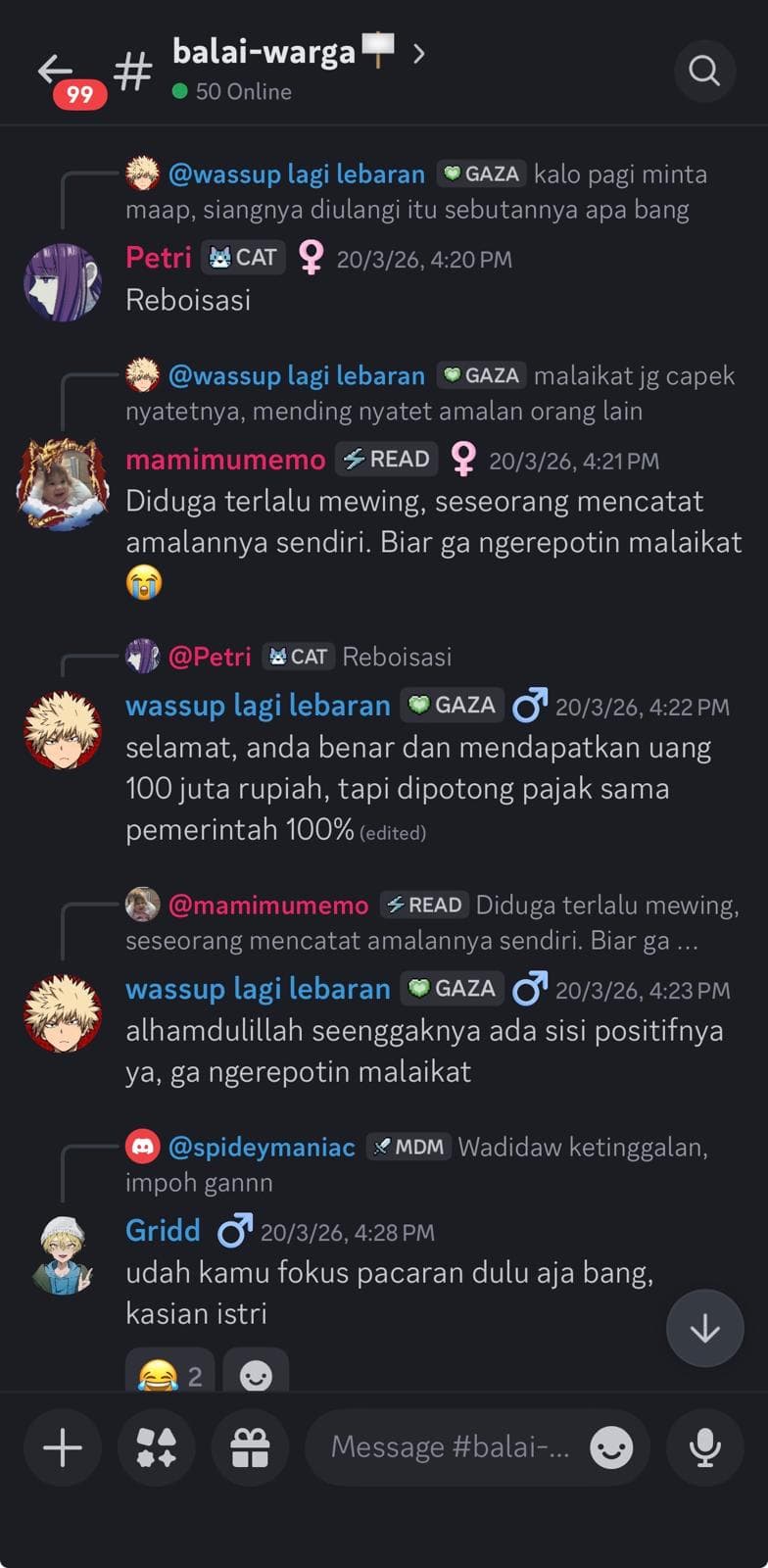
All images requested have been attached below using local relative paths so they render into the generated PDF.
Exhibit 1. Discord reaction and participant view
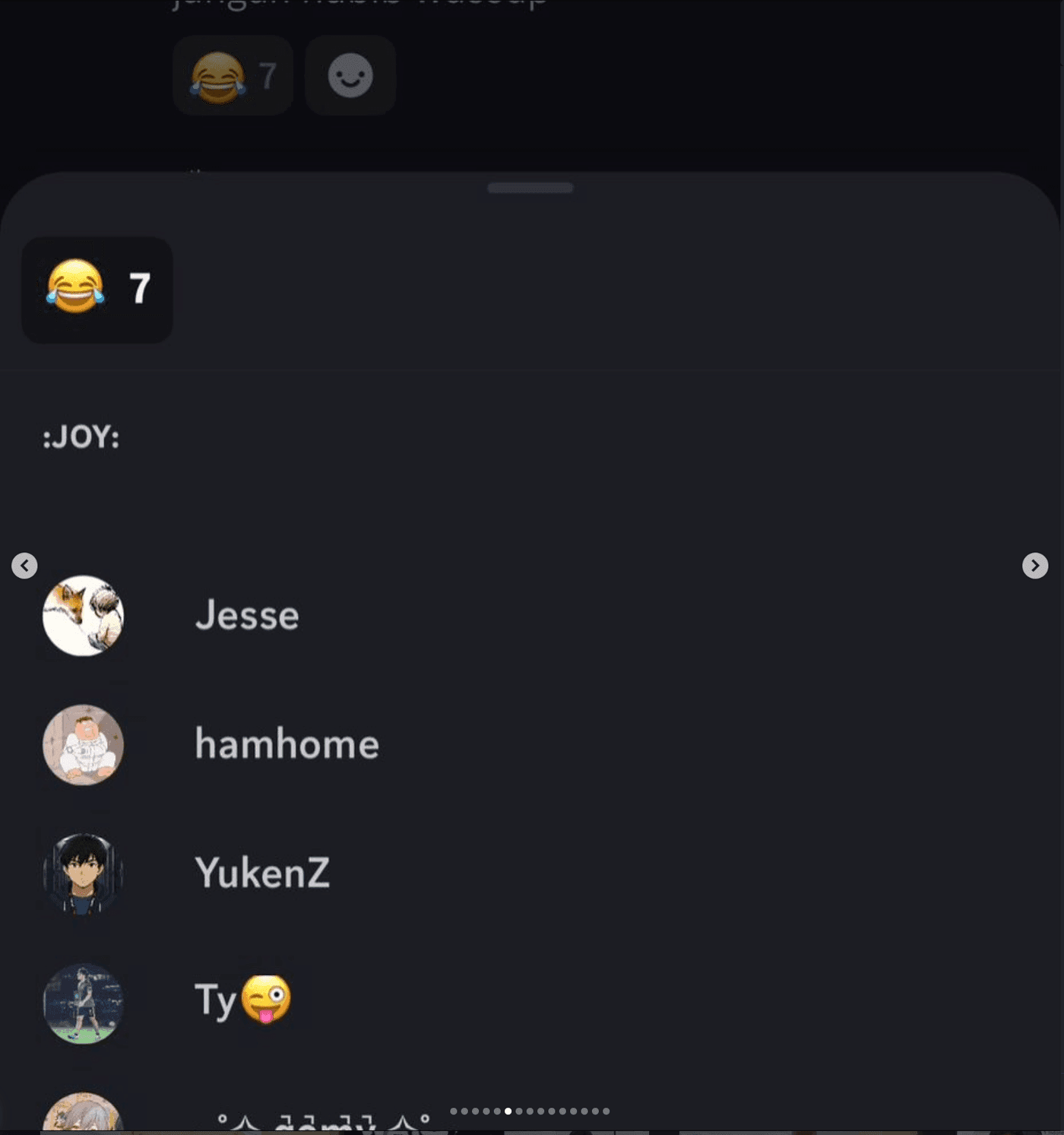
Exhibit 2. Conversation showing ridicule and participant thread context

Exhibit 3. Server profile showing "Pekerja Kesepian" Discord context
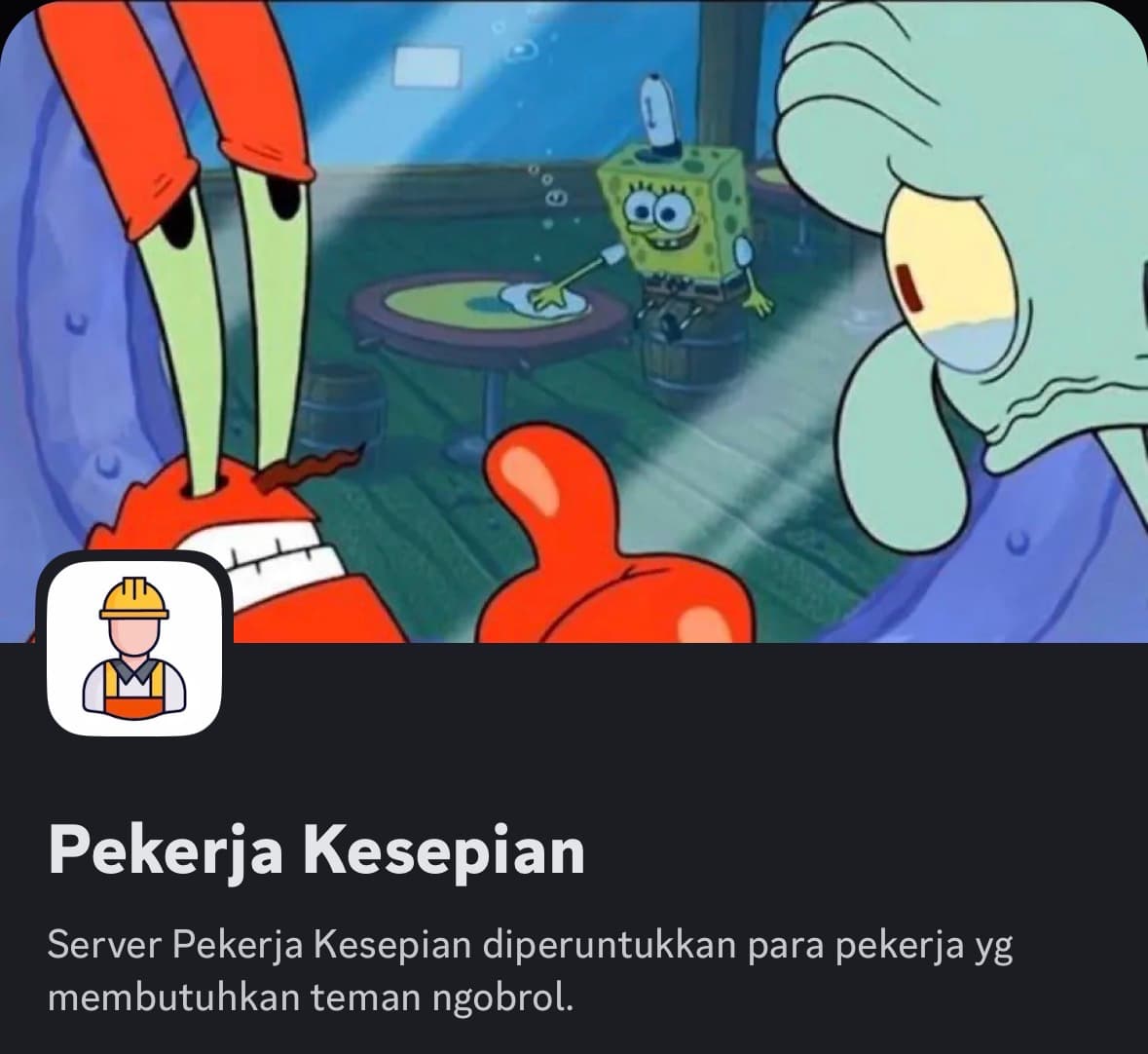
Exhibit 4. Screenshot showing mocking statement and participant list
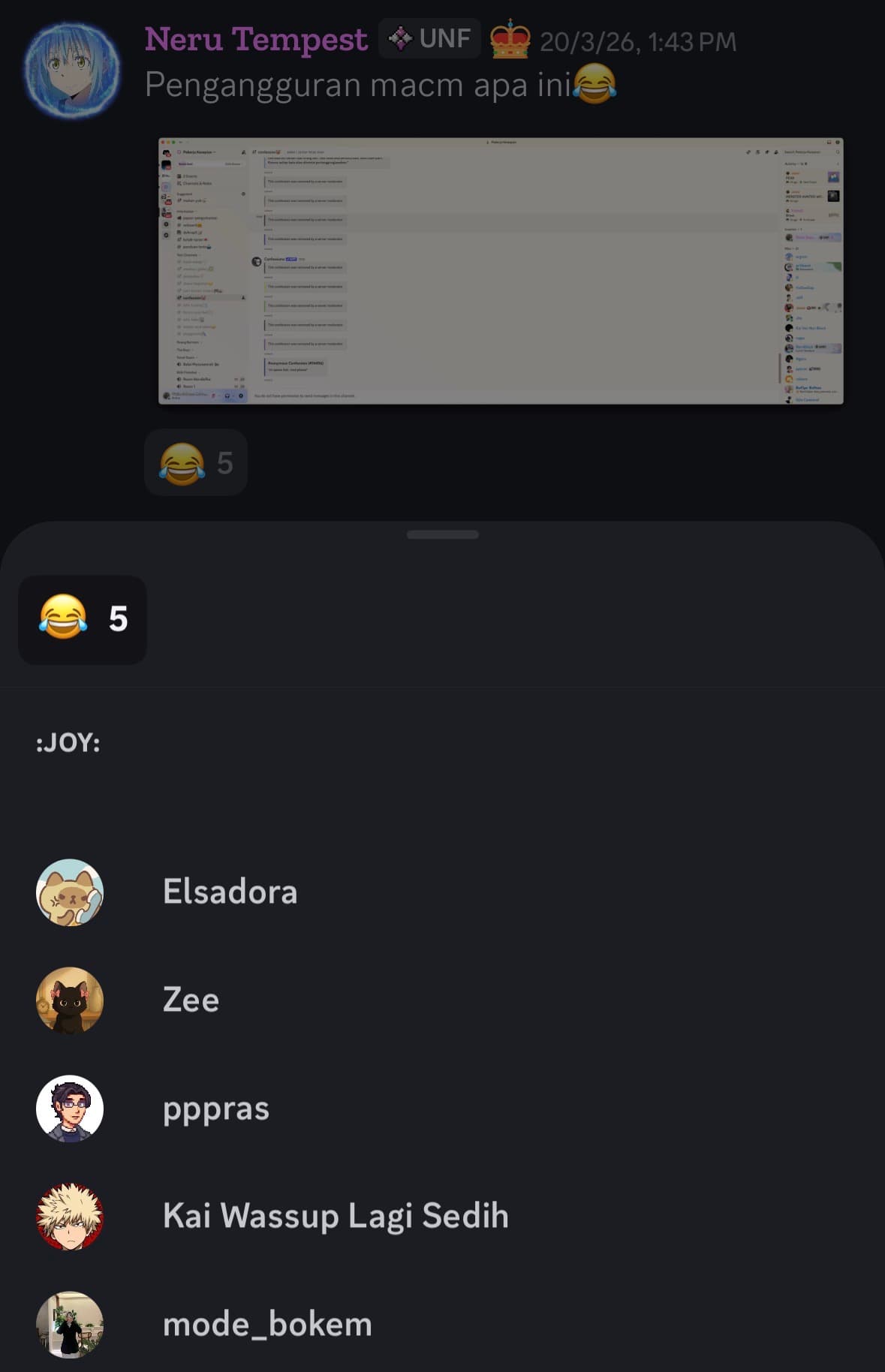
Exhibit 5. Threaded ridicule involving multiple usernames
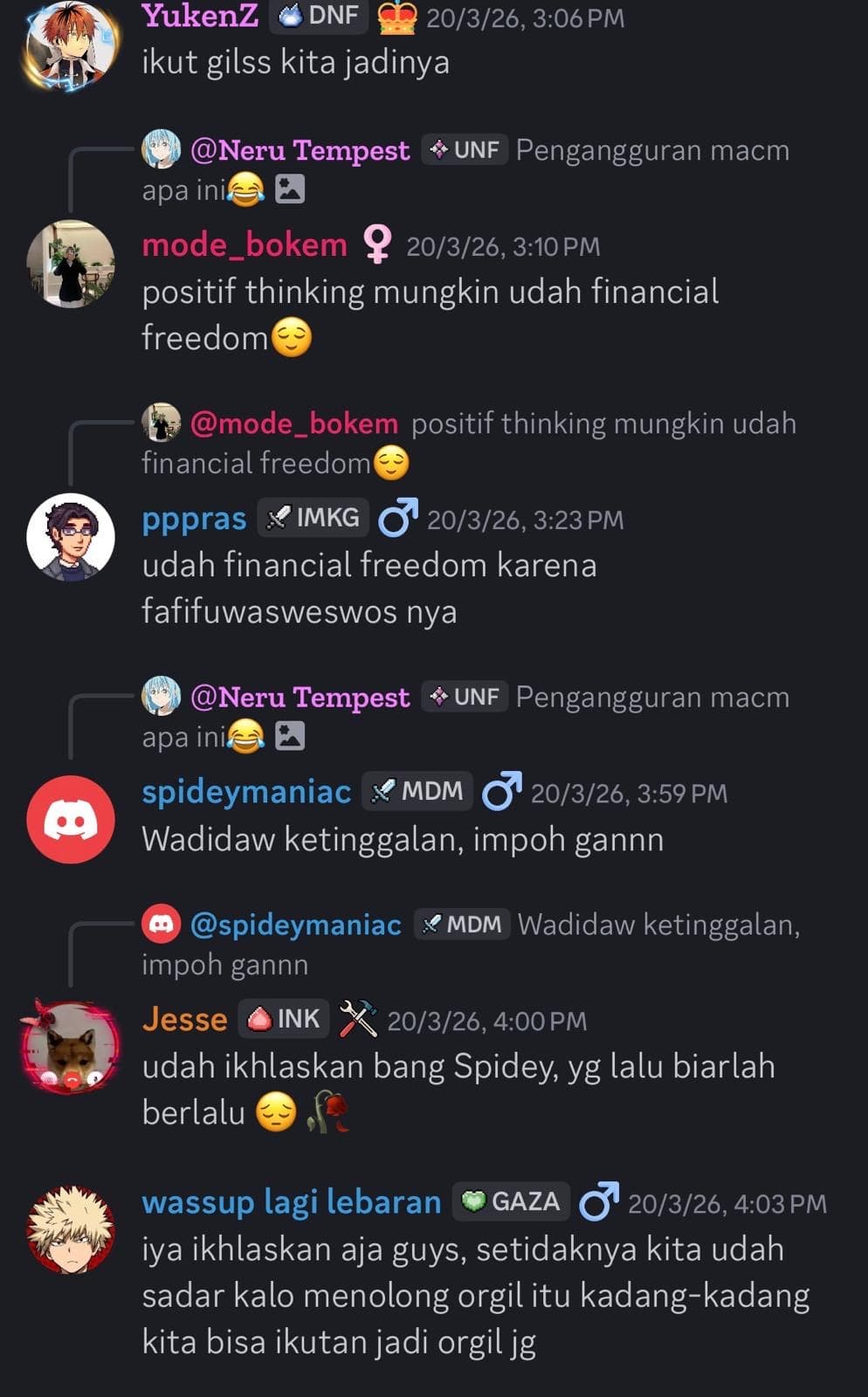
Exhibit 6. Screenshot showing moderator and participant interaction
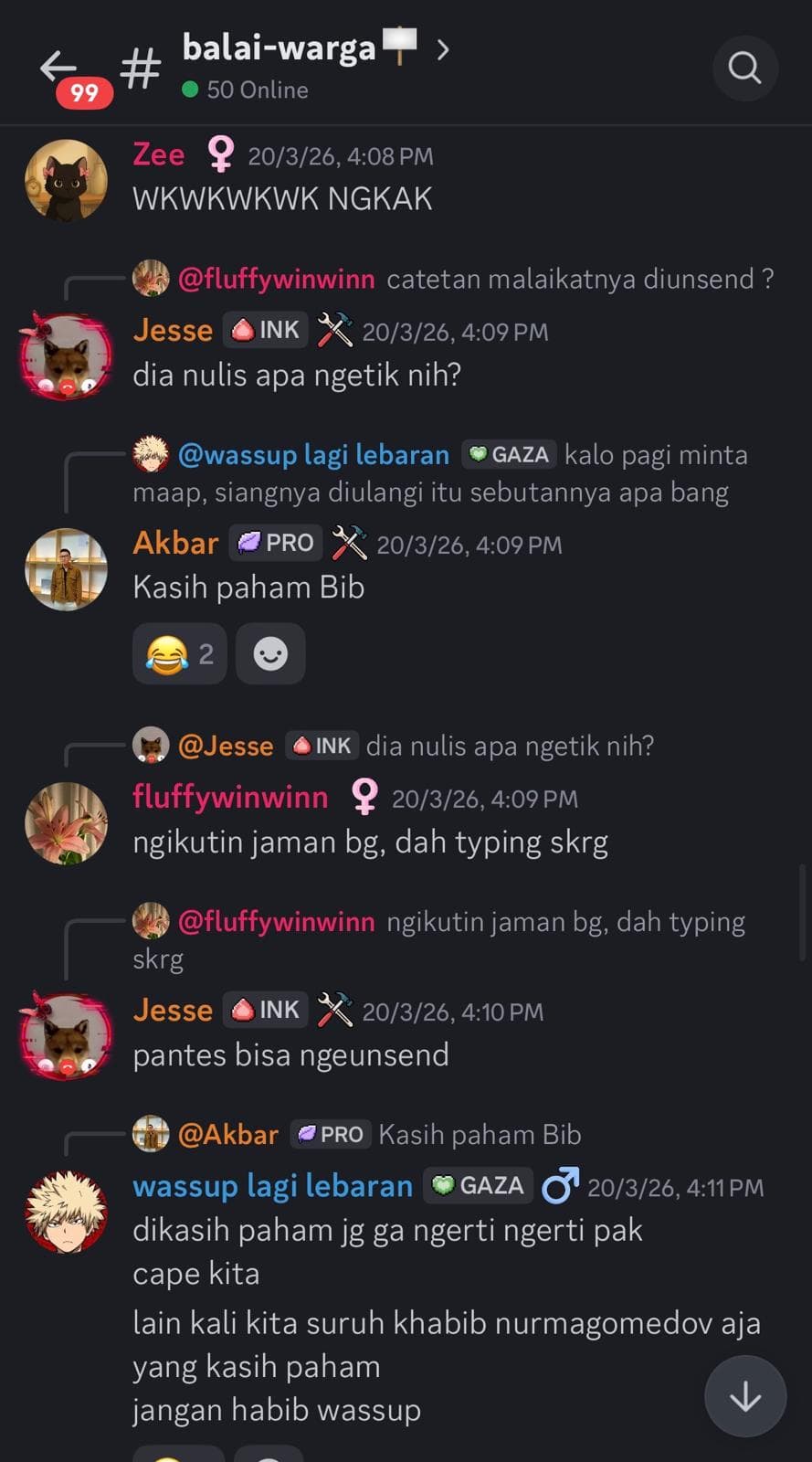
Exhibit 7. Screenshot showing deleted-message context and follow-up mockery
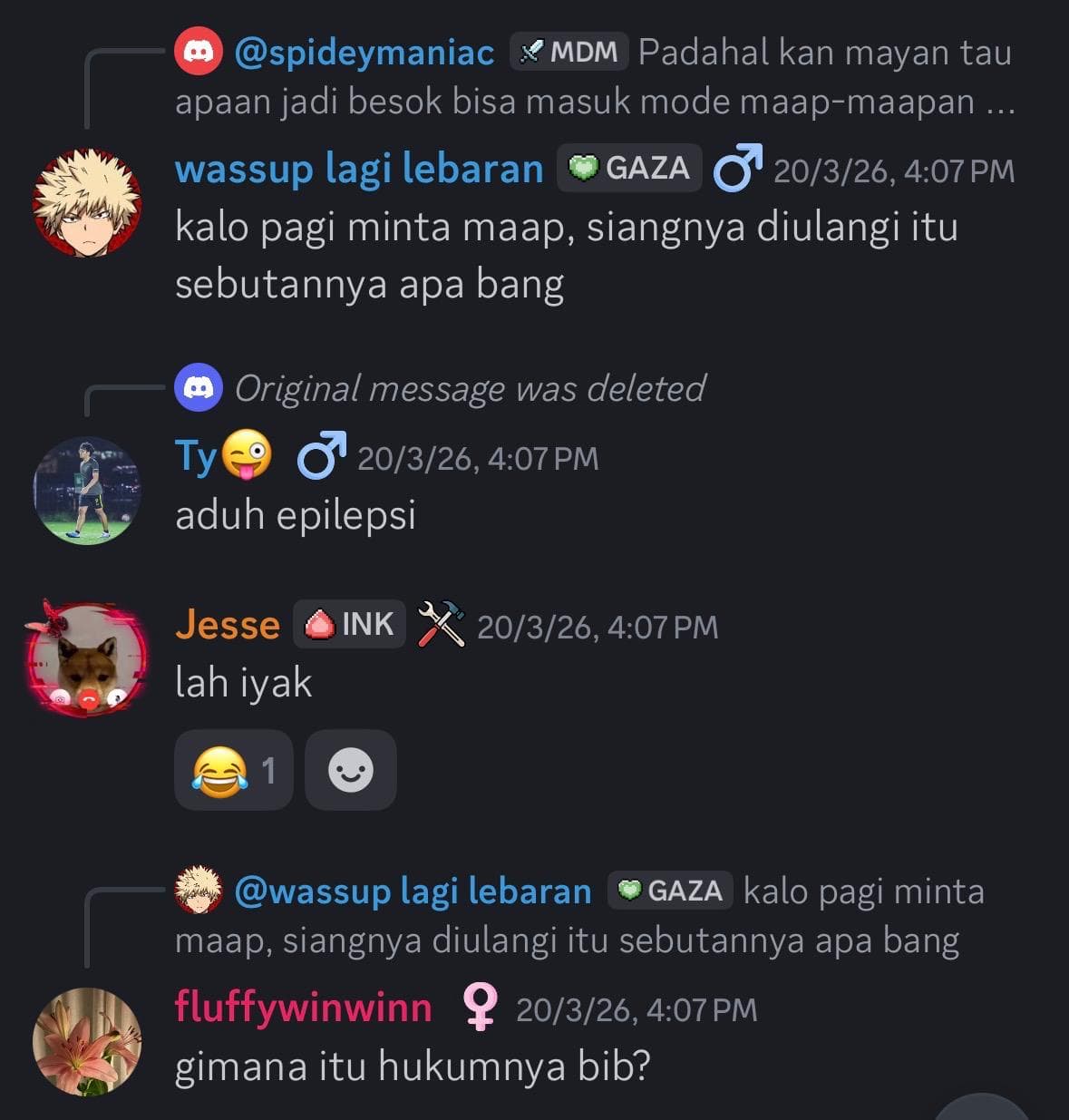
Exhibit 8. Extended thread with repeated humiliating commentary
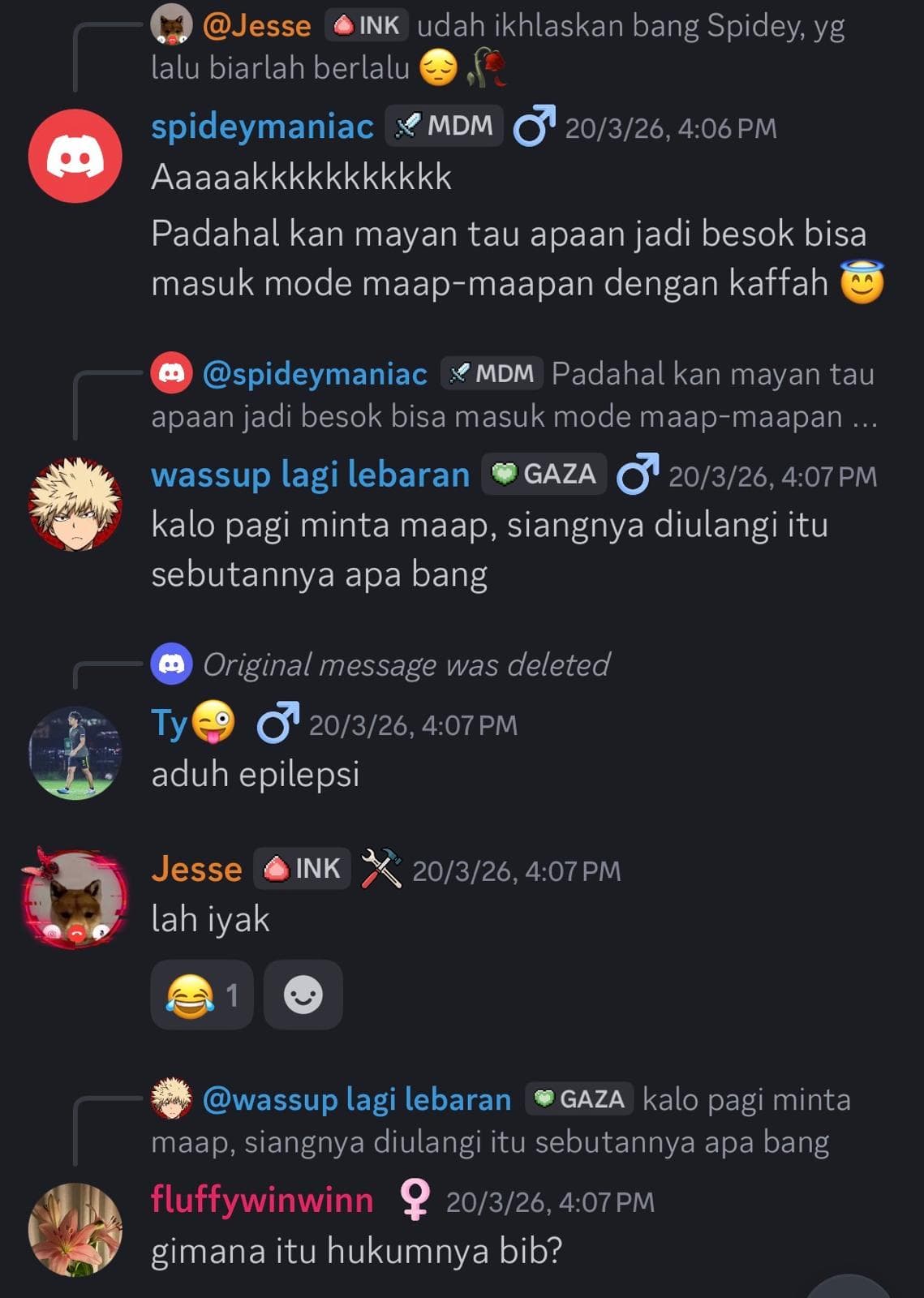
Exhibit 9. Continued discussion showing audience participation and humiliation context
Final Assessment
If reduced to a single practical verdict, the case is best described as follows:
There is a substantial basis for a civil claim and a plausible basis for selective criminal liability under the 2023 Criminal Code, especially for direct humiliating statements and any written defamatory imputations that can be precisely extracted and attributed. The case becomes materially stronger if the claimant narrows actor-specific allegations, adds identity proof, and supplements the record with medical and platform-preservation evidence.
Disclaimer
This is an independent legal analysis and forecast, not formal legal advice. It is limited to sources directly verified from PDFs available in this workspace. No UU ITE citation is included here because the relevant primary PDF was not present for verification at the time of drafting. Any formal filing should be reviewed by licensed Indonesian counsel before submission.
#pekerjakesepian #Infraloka #RahmatWibowo #AEGIS