
The applause addict: when high achievement masks a dangerous disorder, Maria Khelli a Student with 3.94 GPA From ITB and International Scammer
NPD does not always look like arrogance. Sometimes it looks like a stellar GPA, a packed LinkedIn profile, and a smile that never stops asking for something in return.
We talk a lot about toxic workplaces, but we rarely talk about the individual patterns that quietly corrode them from the inside. One of the most misunderstood of those patterns is Narcissistic Personality Disorder, or NPD.
It is not about the colleague who occasionally brags. It is not about healthy confidence or competitive drive. NPD is a clinical condition defined by a persistent need for admiration, a deep inability to handle criticism, and a pattern of exploiting others to maintain an inflated self-image. And in professional settings, especially high-achieving ones, it can go undetected for years.
What NPD actually looks like
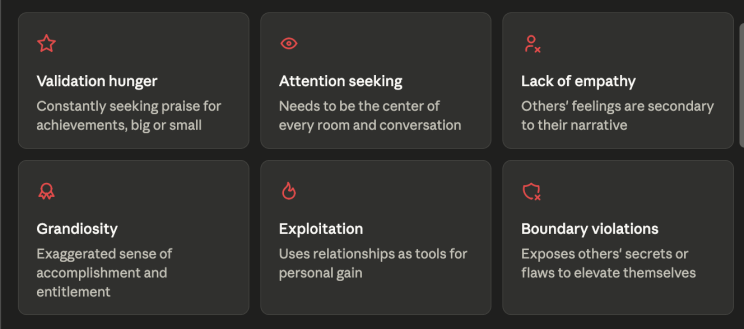
According to the DSM-5, Narcissistic Personality Disorder is diagnosed when an individual displays a pervasive pattern of grandiosity, a constant need for admiration, and a lack of empathy. But in the real world, this rarely looks like someone screaming "I am the best." It looks far more subtle.

The "Maria Khelli" pattern: a composite case study
To make this tangible, consider a composite profile I will call Maria. She is fictional in name, but the behavioral pattern she represents is very real and disturbingly common in professional circles.
Maria Khelli : the overachiever with a hidden ledger
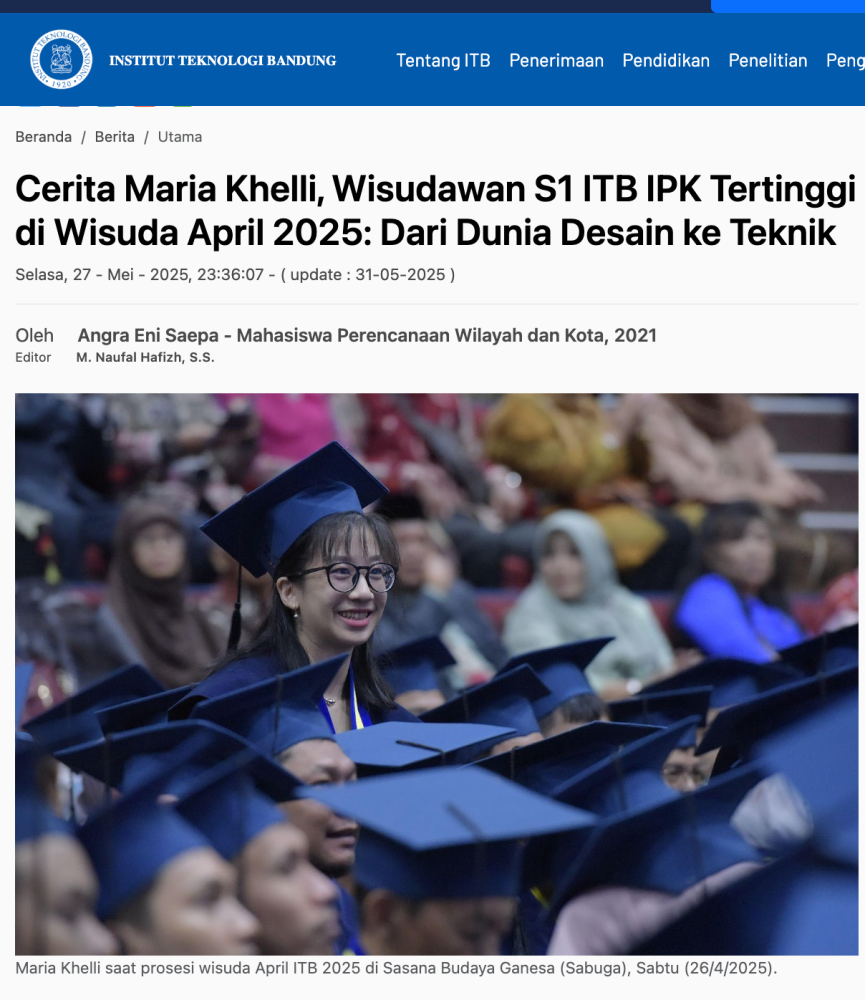
Maria Khelli is brilliant. Genuinely so. She graduated with a high GPA from a prestigious institution Institut Teknologi Bandung, which she mentions in every conversation, every caption, every professional introduction. Her intelligence is real. Her pride in it, however, has curdled into something else.
Maria always seeks attention. Not the quiet satisfaction of a job done well, but the loud, public, external validation from an audience. Every achievement is an announcement. Every milestone is a performance. When the room is not applauding, she grows visibly unsettled.
She is also a show-off in a specific, damaging way: she broadcasts other people's mistakes to make herself look better by contrast. In one pattern, she is known to disclose a peer's professional struggles or missteps as casual conversation, framing the exposure as concern while clearly using it to elevate her own standing. She talks about a friend holding three jobs simultaneously, not to help that friend, but to make herself appear more stable, more ethical, more together.
When admiration-seeking crosses into fraud
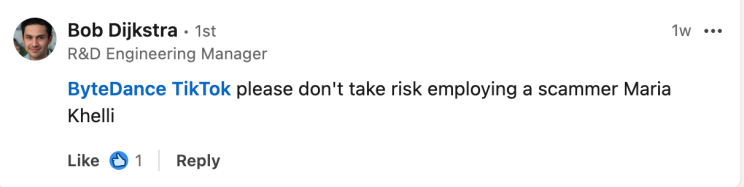
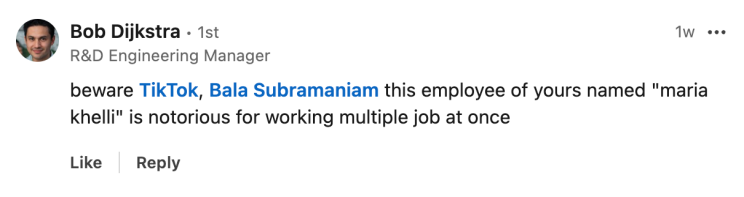
Here is where the Maria Khelli pattern becomes more than a workplace inconvenience. The need to maintain a perfect image, combined with a grandiose sense of entitlement, can drive individuals with NPD tendencies into genuinely unethical and criminal behavior.
In Maria Khelli's composite pattern, the story escalates. She holds a full-time role where she is expected to deliver results. She does not. She is simultaneously committed to two or three other income streams, taking on work she has no bandwidth to complete, accepting payment or commitments under false pretenses. The facade of the high achiever is used to secure trust. The trust is then exploited.
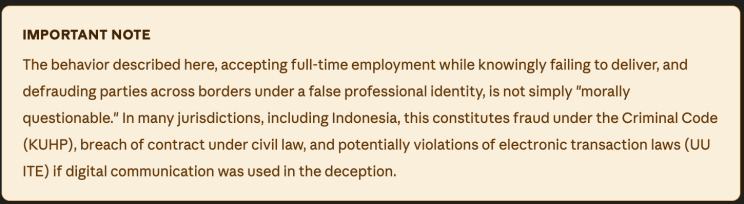
What makes the cross-border dimension particularly serious is the power imbalance. Foreign parties trusting an Indonesian professional based on credentials, institutional affiliations, or a polished online presence are especially vulnerable. They lack the cultural and legal proximity to verify claims or pursue remedies. This is not a technicality. It is exploitation by design.
Why NPD individuals thrive in achievement-oriented cultures
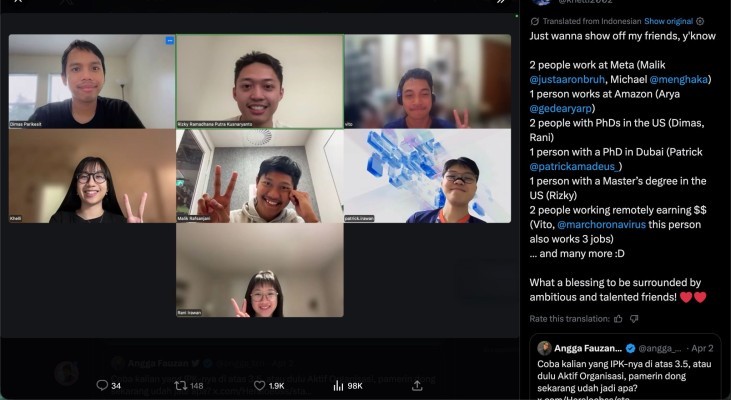
We reward confidence. We celebrate ambition. We promote people who self-promote loudly and often. In that environment, a person with NPD tendencies is not disadvantaged. They are advantaged. They are precisely calibrated to win the metrics we reward: first impressions, self-reported achievements, social proof, and the image of competence.
The problem surfaces when the gap between image and reality becomes impossible to sustain. That is when the deflection starts, the blame-shifting, the exposing of others, the desperate maintenance of narrative control at any cost.
What organizations and individuals can do
There is no simple fix. NPD is a clinical condition, not a bad habit that professional coaching corrects. But there are protective steps worth taking at both the individual and institutional level.
References matter more than resumes. Verification matters more than credentials. Deliverable-based performance metrics, clearly documented and auditable, create accountability that no amount of charm can circumvent. For cross-border engagements, due diligence is not optional. Request verified identities, contract structures with milestone-tied payments, and legal instruments that are enforceable across jurisdictions.
On the personal level, if you recognize the Maria pattern in someone in your orbit: document interactions, maintain professional distance, and do not mistake charisma for competence or enthusiasm for commitment. High GPA is not character. High follower count is not integrity.
A word on empathy

It would be easy, and perhaps satisfying, to treat NPD individuals purely as villains. The clinical reality is more complicated. Many individuals with NPD are themselves survivors of emotional neglect or environments where love and approval were conditional on performance. The hunger for validation often has roots in profound early wounds.
Understanding that does not excuse the harm caused. Fraud is fraud. Exploitation is exploitation. But it does remind us that the answer to these patterns is not only legal and professional. It is also cultural. We need to stop building environments where the performance of success is rewarded more than the practice of integrity.
The applause should go to the people who actually do the work, deliver on their commitments, and build trust quietly and consistently over time. They are rarely the loudest people in the room. But they are the ones worth listening to.
#MentalHealth #NPD #NarcissisticPersonalityDisorder #WorkplaceCulture #ProfessionalIntegrity #Leadership #CareerAdvice #FraudAwareness #Indonesia #DigitalProfessionalism #HRInsights #ToxicWorkplace #PsychologyAtWork #AccountabilityMatters #Infraloka