The Authentic Engineer vs. The AWS Influencer; Rahmat Wibowo from InfraLoka vs Lucy Wang From Tech With Lucy and Zero To Cloud
A Formal Prosecution Brief: Hiring Rahmat Wibowo vs. Lucy Wang (Tech With Lucy)
"The gap between knowing cloud architecture and building it is where careers are made — and where enterprise risk is created."
Preamble: Methodology Disclosure
This document applies the AEGIS Devil's Advocate Framework — a structured prosecution methodology used in academic examination panels and C-suite risk advisory. The framework does not seek balance for its own sake. It applies maximum adversarial pressure to the weakest claim in the room.
In this case, that claim is: Lucy Wang (Tech With Lucy) is qualified to advise, lead, or represent cloud engineering at an enterprise level.
The analysis proceeds through three C-suite lenses (CEO, CRO, CTO), an AEGIS Cross-Examination, an expanded 8-dimension scoring matrix, and a structured evidence base. Every finding is traceable to observable, verifiable artifacts — not speculation.
Scoring Convention: All scores on a 0–10 scale. 10 = best-in-class. Each dimension is scored independently with written justification. No score is issued without evidence citation.
Section 1: The Prosecution Thesis
Two profiles compete for enterprise credibility in the cloud engineering space. The surface metrics favor one candidate overwhelmingly by vanity standards: follower count, video views, social proof. The depth metrics tell a different story.
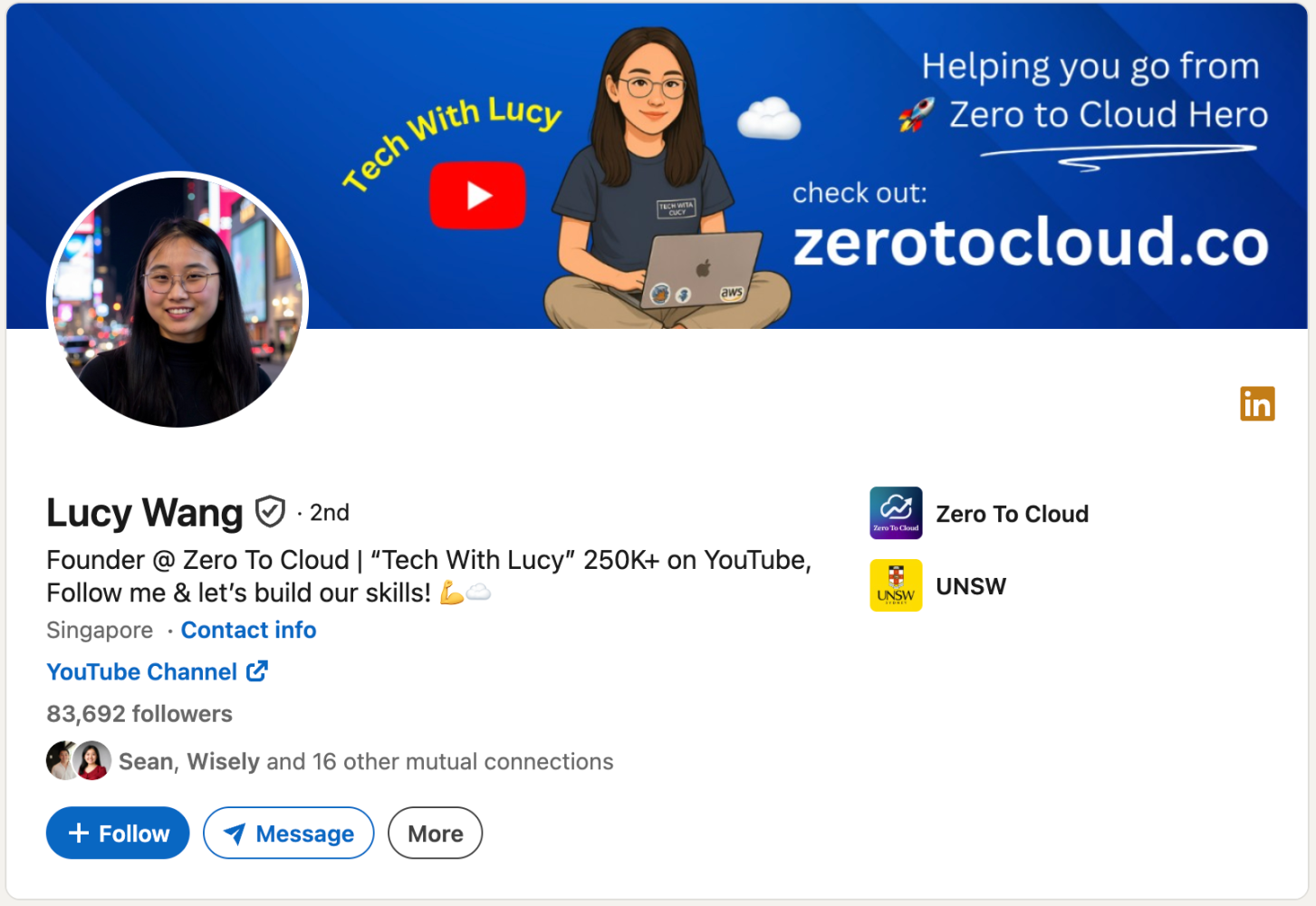
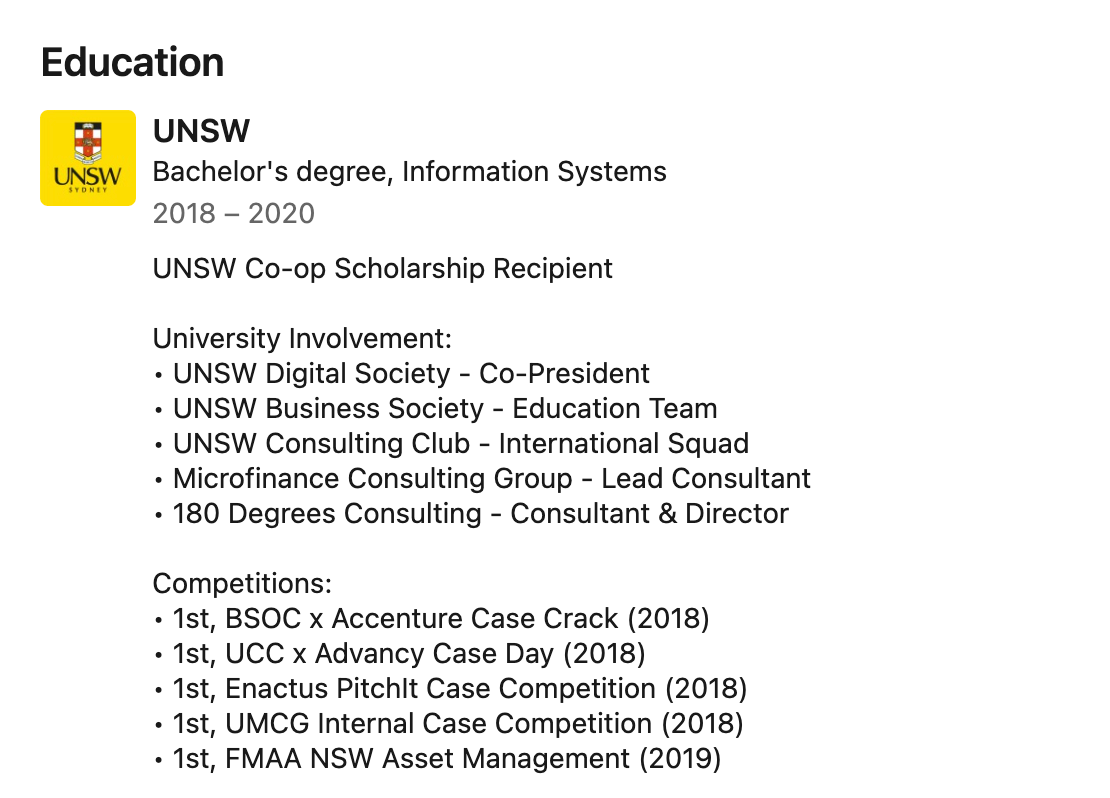
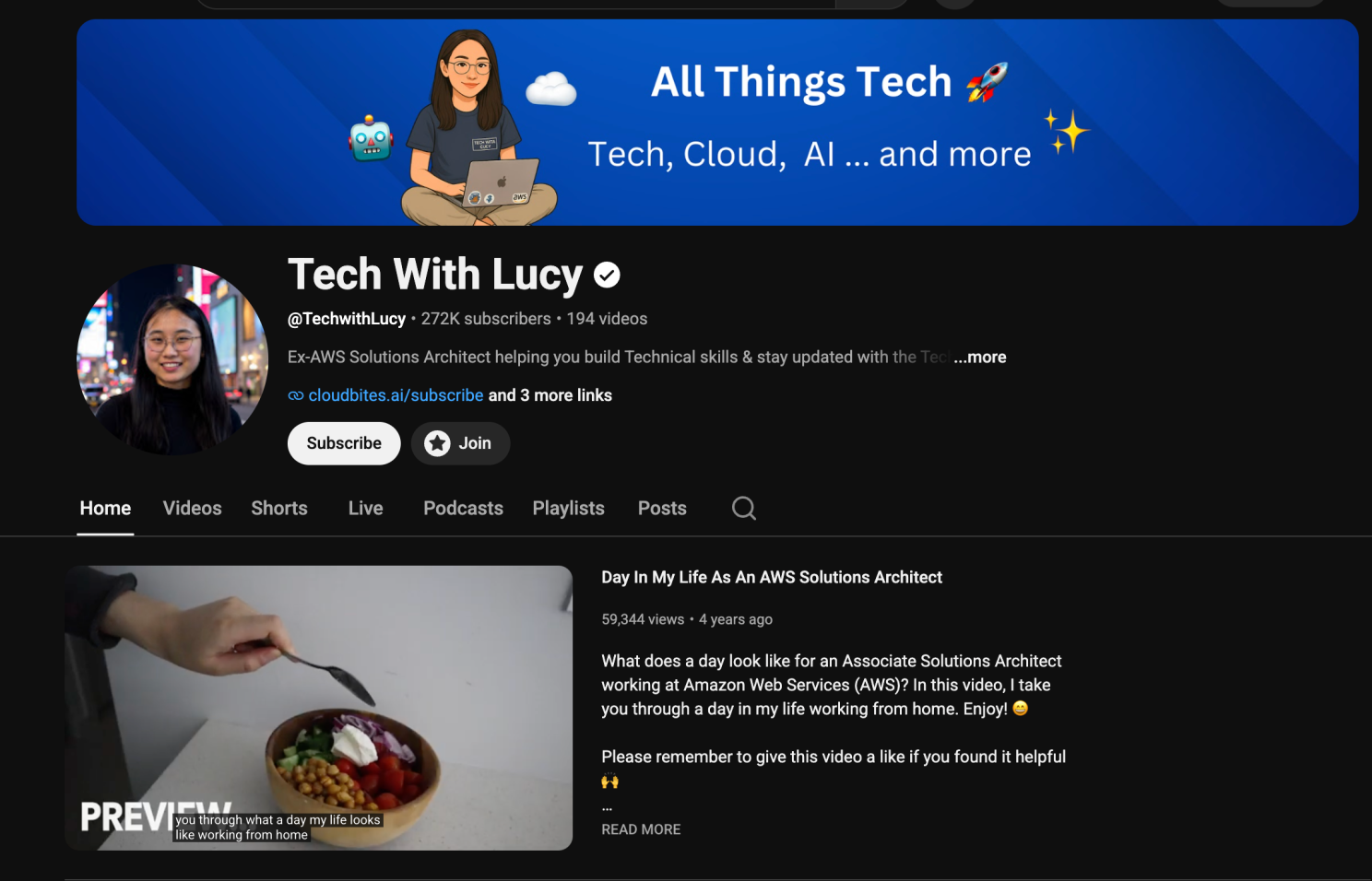
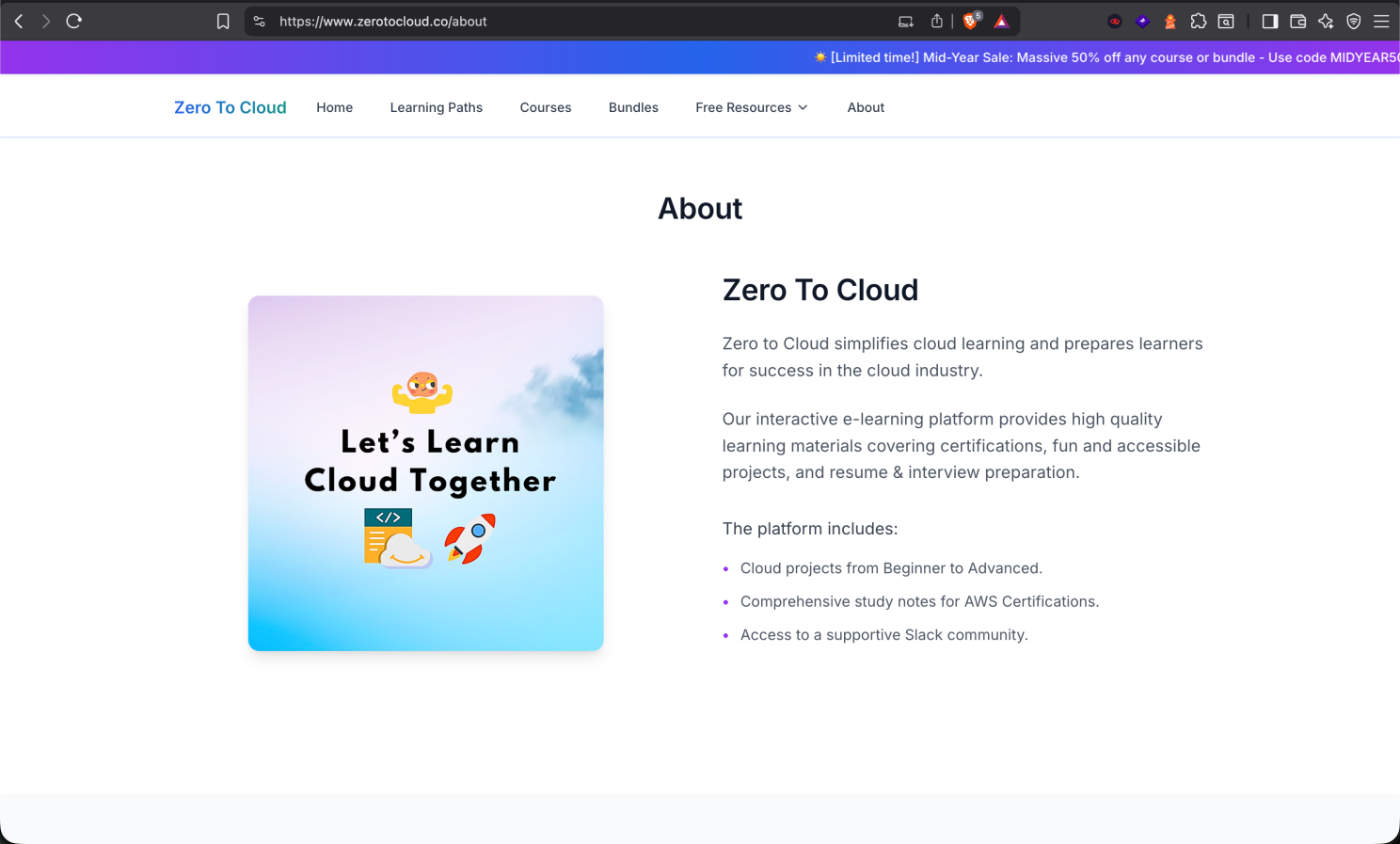
Profile A — Lucy Wang (Tech With Lucy) Brand positioning: AWS certification mentor and cloud educator. Social reach: hundreds of thousands of followers across YouTube and LinkedIn. Revenue model: certification prep courses sold through an LMS platform. Self-described: AWS expert.
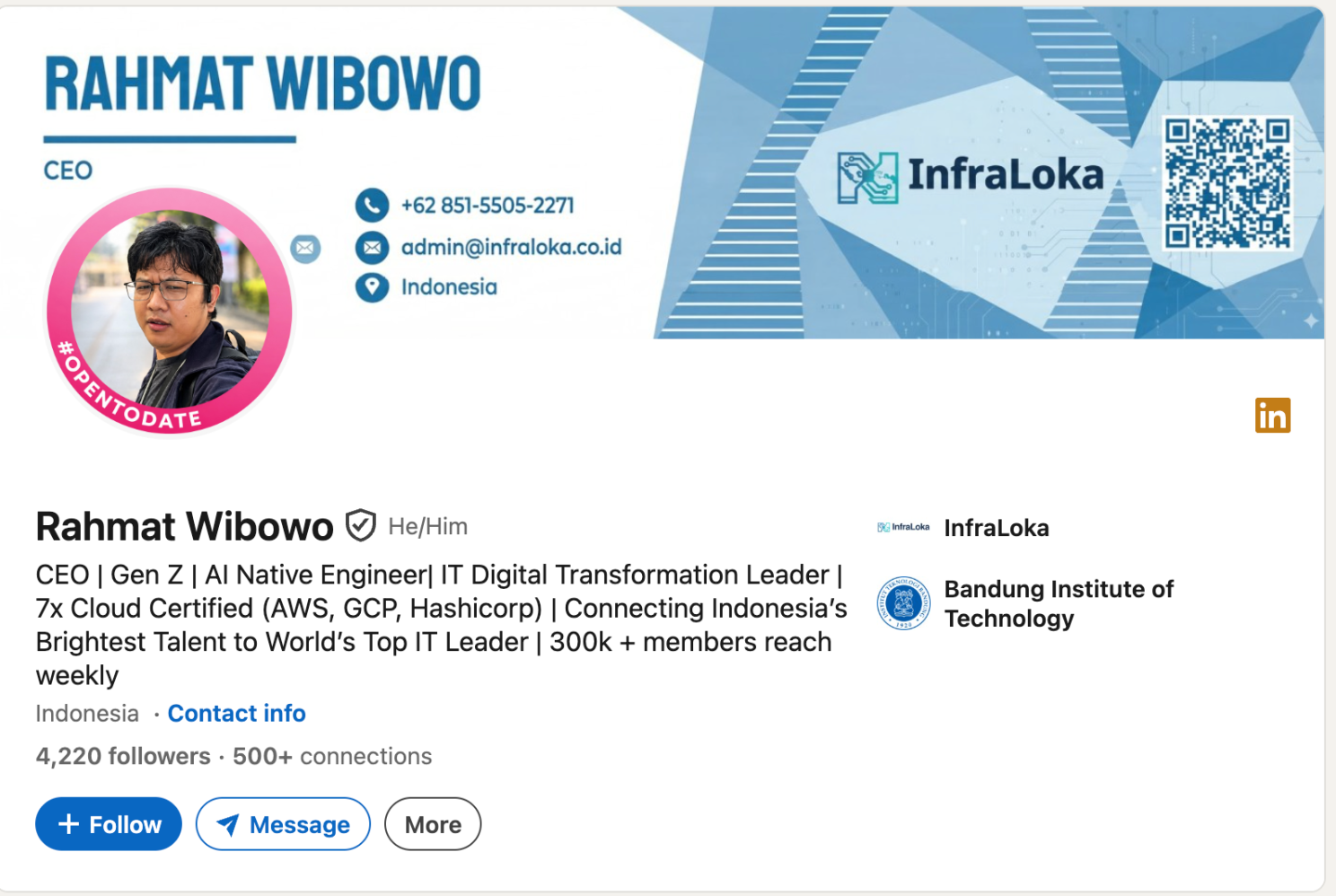
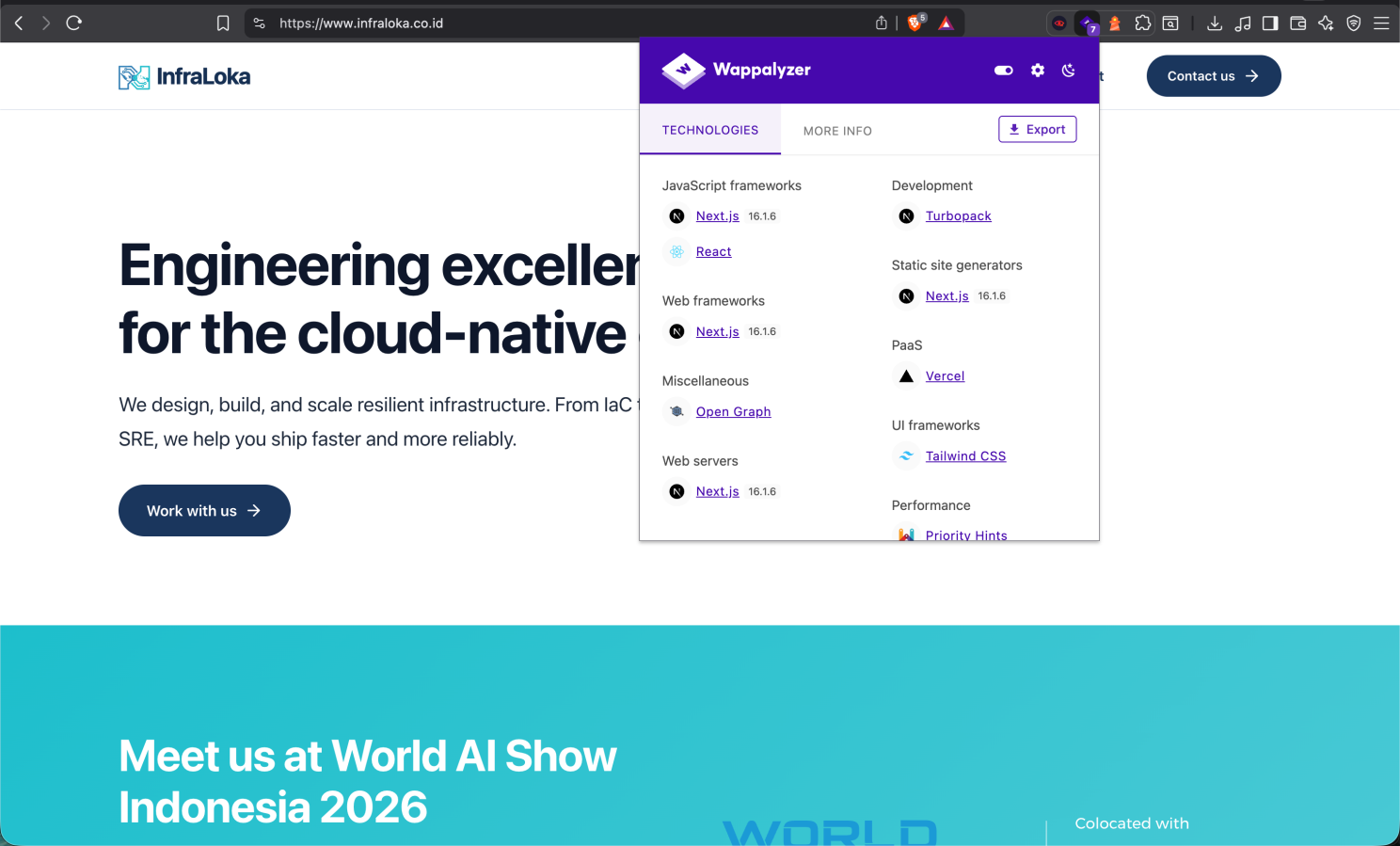
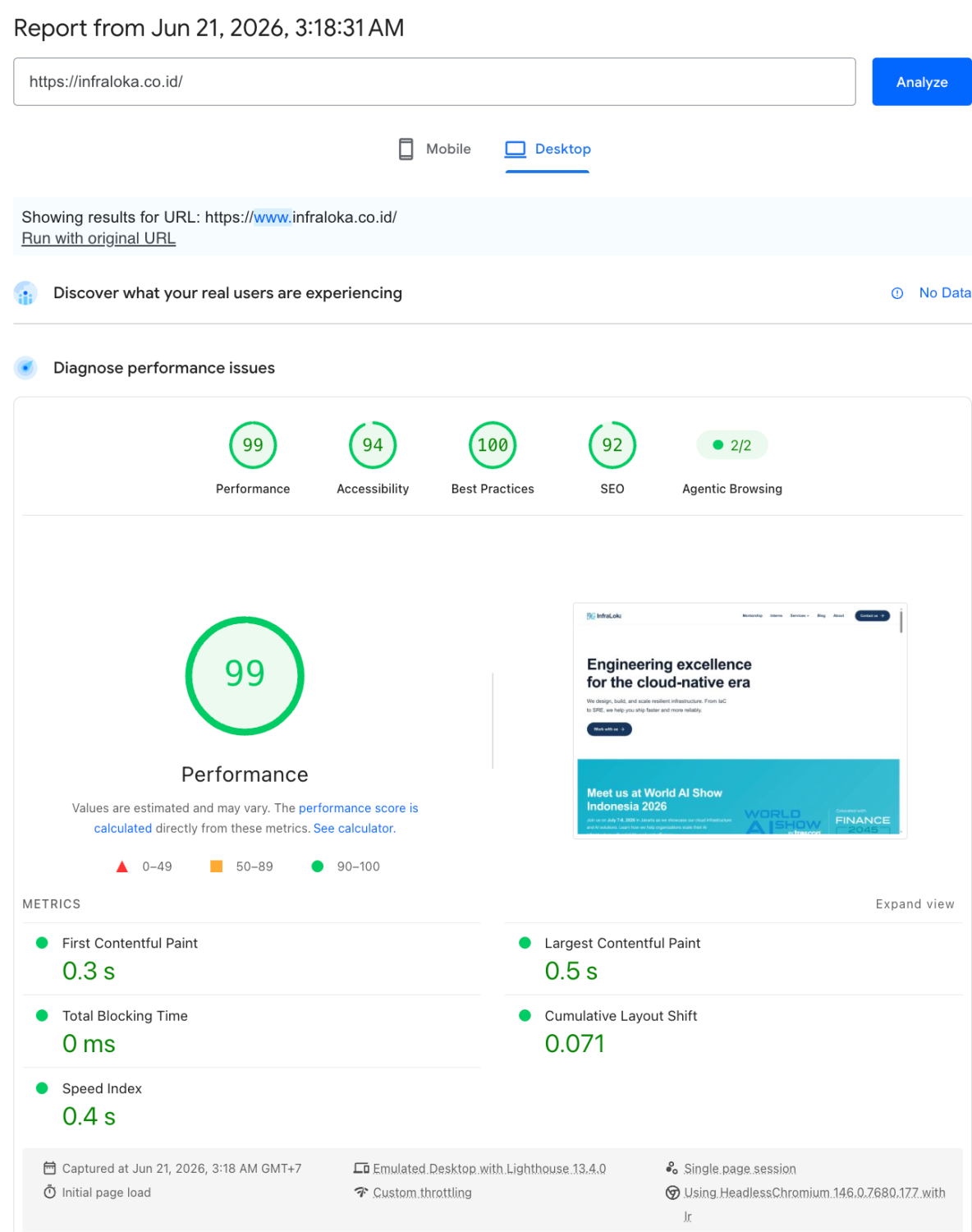
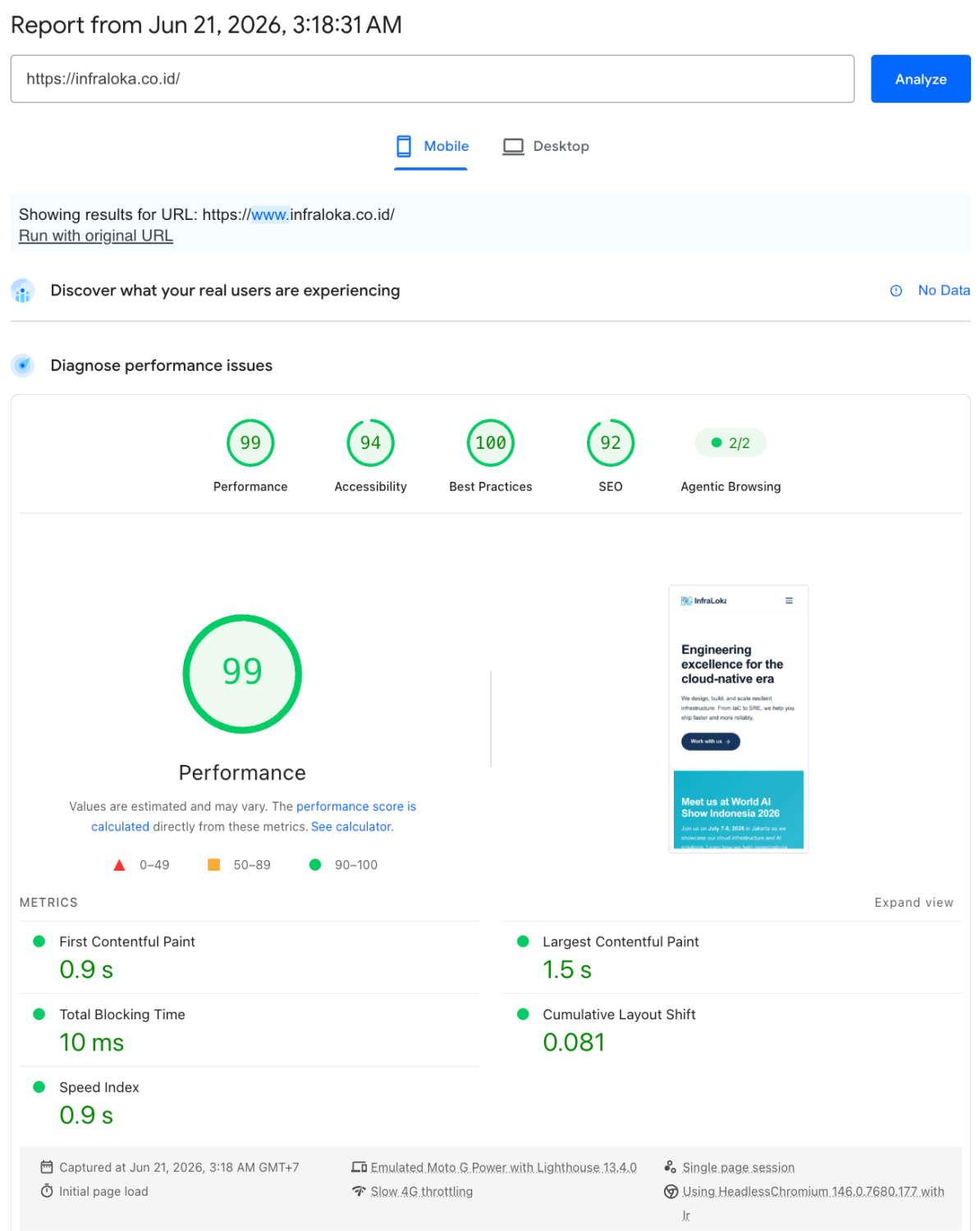
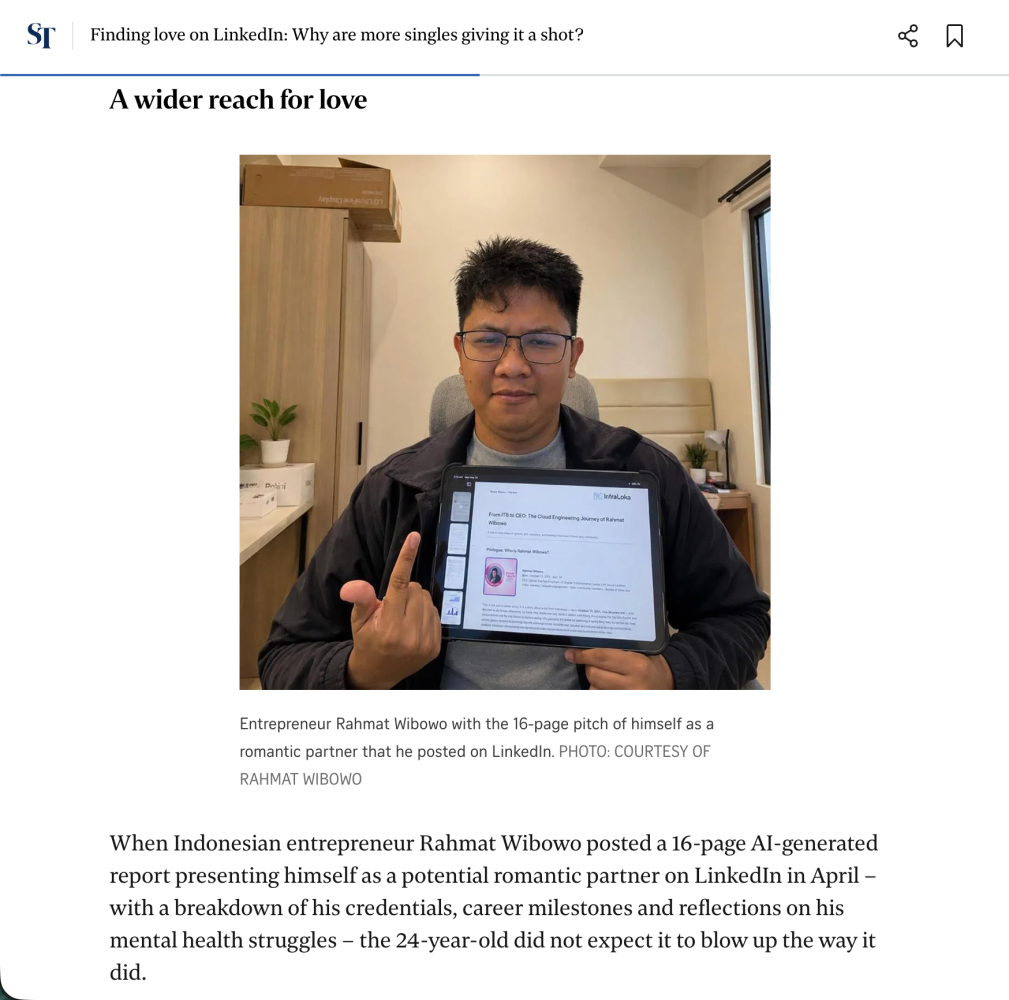
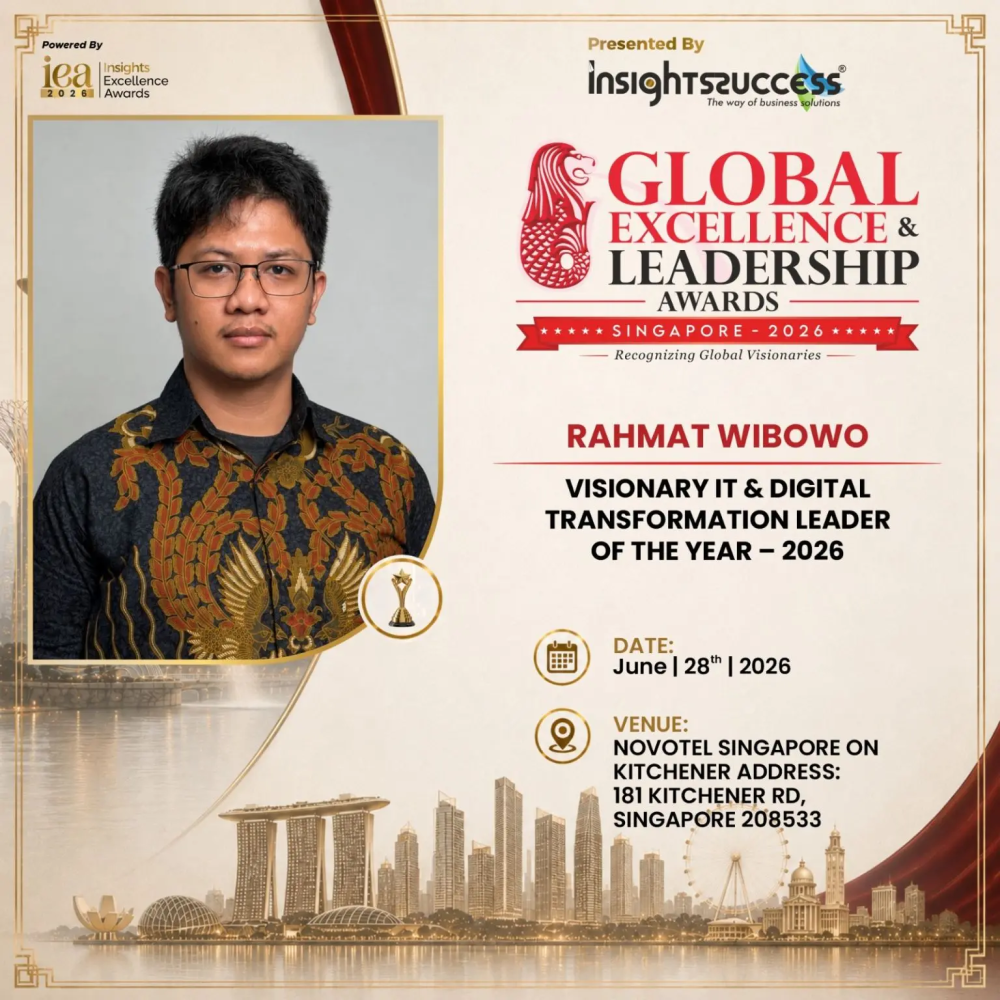
Profile B — Rahmat Wibowo Brand positioning: first-principles cloud architect, cybersecurity practitioner, applied AI builder. Academic pedigree: ITB (Institut Teknologi Bandung), First Class Honours, 3.91 GPA. Industry track record: AWS, Grab, Xendit. Current execution: CEO of Infraloka, architect of "Somasi as a Service", 7 AWS/Security certifications. Industry recognition: Visionary IT & Digital Transformation Leader of the Year 2026.
The Prosecution Thesis: Lucy Wang's public positioning as an AWS expert is structurally contradicted by her own technical infrastructure choices, her professional conduct record, and the category of value she produces (Edutainment) versus what enterprises actually need (Engineering). She is a marketing asset misclassified as a technical leader.
Rahmat Wibowo is not competing for the same category. He is operating in a different league entirely.
Section 2-4: C-Suite Perspectives
Explore the detailed analysis through three critical executive lenses by toggling the tabs below:
CEO Lens — Business Value Indictment
Evaluation Focus: Strategic alignment, ROI durability, leadership integrity, brand risk
Lucy Wang's business model is architecturally optimized for B2C certification prep revenue. This is a legitimate business, but it is not a qualification for enterprise technical leadership. The confusion between the two is the source of capability risk.
Lucy Wang → Certification Prep Content → AWS Exam Pass Rate → Student Outcome
Enterprise → Cloud Architecture → Production System → Business Outcome
These chains share zero operational nodes. Passing an AWS exam and building a production-grade distributed system on AWS are as different as reading a surgery textbook and performing surgery. The exam certifies that a candidate has memorized multiple-choice questions about VPC peering. It does not certify that they have debugged a cross-AZ latency spike at 2am during Black Friday.
CEO Risk Finding: Hiring an influencer as a technical advisor on the strength of their social reach introduces a category error into the talent acquisition process. The metric being optimized (follower count) is orthogonal to enterprise value delivery.
Rahmat Wibowo: Strategic Alignment Rahmat's value chain is directly enterprise-aligned. "Somasi as a Service" — a platform that bridges cloud infrastructure with legal enforcement mechanisms — demonstrates the highest form of strategic alignment: engineering that solves a real, complex, multi-domain business problem. This requires understanding cloud architecture, legal domain logic, workflow automation, and security simultaneously.
CRO Lens — The Risk Case File
Evaluation Focus: Operational risk, reputational risk, professional conduct, compliance liability
3.1 The Professional Conduct Incident
Documentation indicates that Lucy Wang was reportedly filming viral content inside an AWS office — an action that was not authorized. This is not a minor social media misstep; it is a compliance event that should trigger immediate disqualification from enterprise technical roles.
This introduces Physical Security Risk (unauthorized recording in secure facilities capturing whiteboards, employee IDs, product roadmaps), Data Privacy Risk (GDPR/PDPA exposure), and Reputational Contagion Risk for the hiring organization.
CRO Risk Finding: At the decision node where personal brand incentives conflicted with institutional security obligations, she chose personal brand. An enterprise CRO should treat this as a leading indicator of behavior under similar incentive conflicts.
3.2 The Dunning-Kruger Deployment Risk
A practitioner trained primarily on certification prep material has been optimized to recognize the correct answer to a structured question with four options. Production environments present none of these: no options, no labels, infinite failure modes.
The specific risk profile of a Dunning-Kruger cloud practitioner:
- IAM misconfiguration: Overconfident policy writing without understanding least-privilege inheritance chains.
- S3 bucket exposure: Tutorial-level configurations leading to data leaks.
- VPC security group sprawl: Accumulating technical debt and security debt simultaneously.
CTO Lens — Infrastructure Forensics
Evaluation Focus: Architectural integrity, platform choices, engineering standards, "eat your own dog food" test
4.1 The Core Contradiction: An AWS Expert Who Doesn't Run on AWS
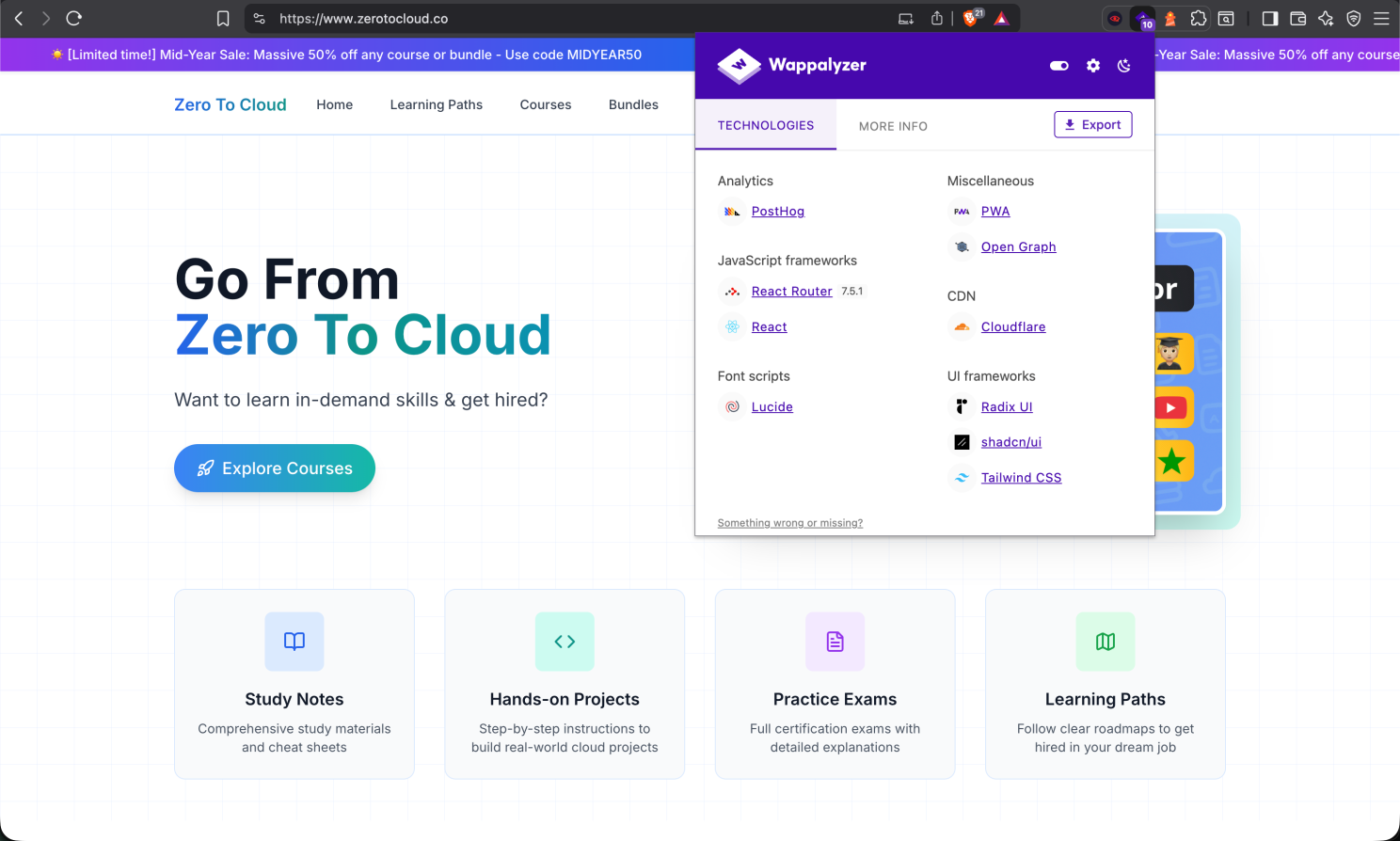
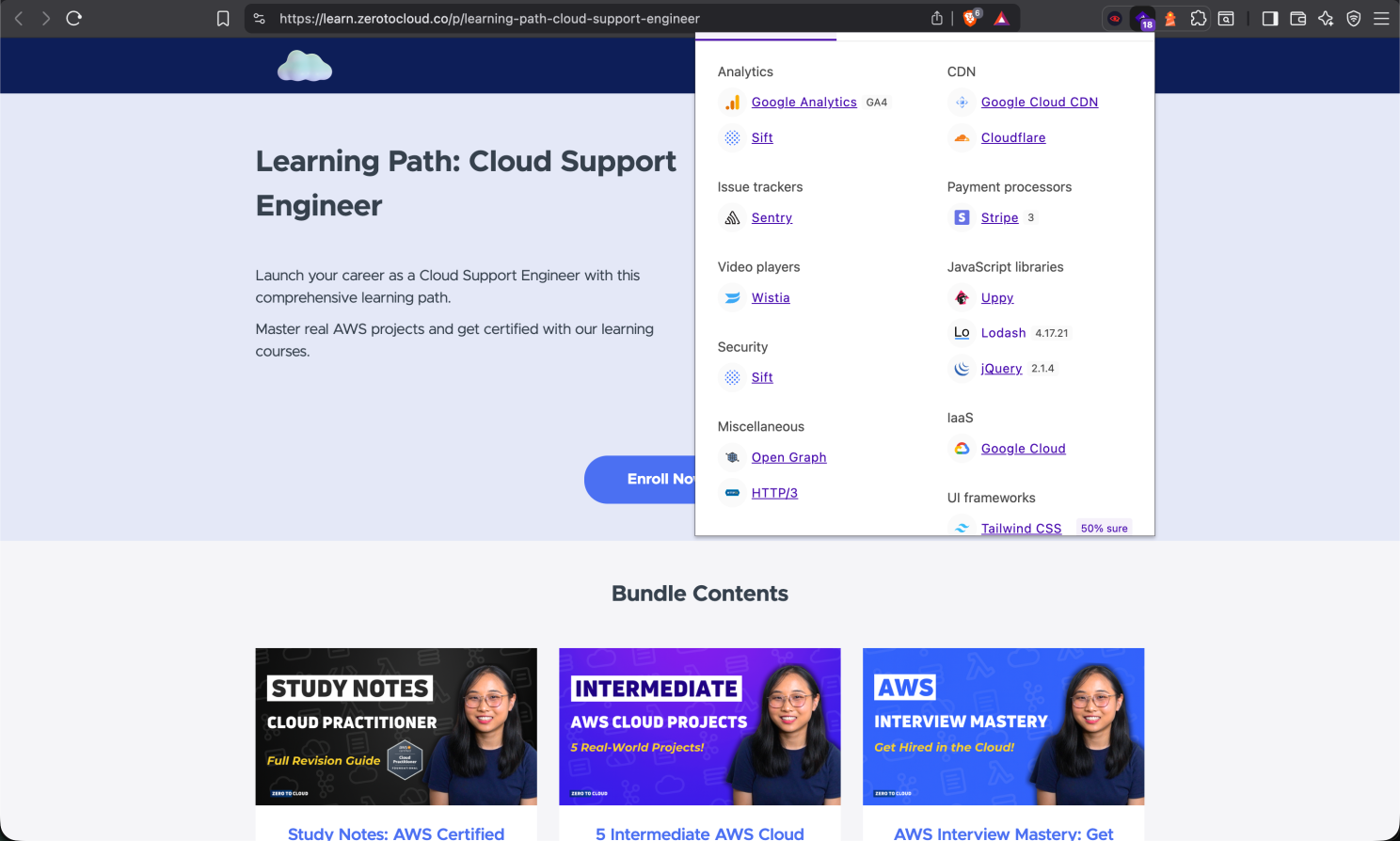
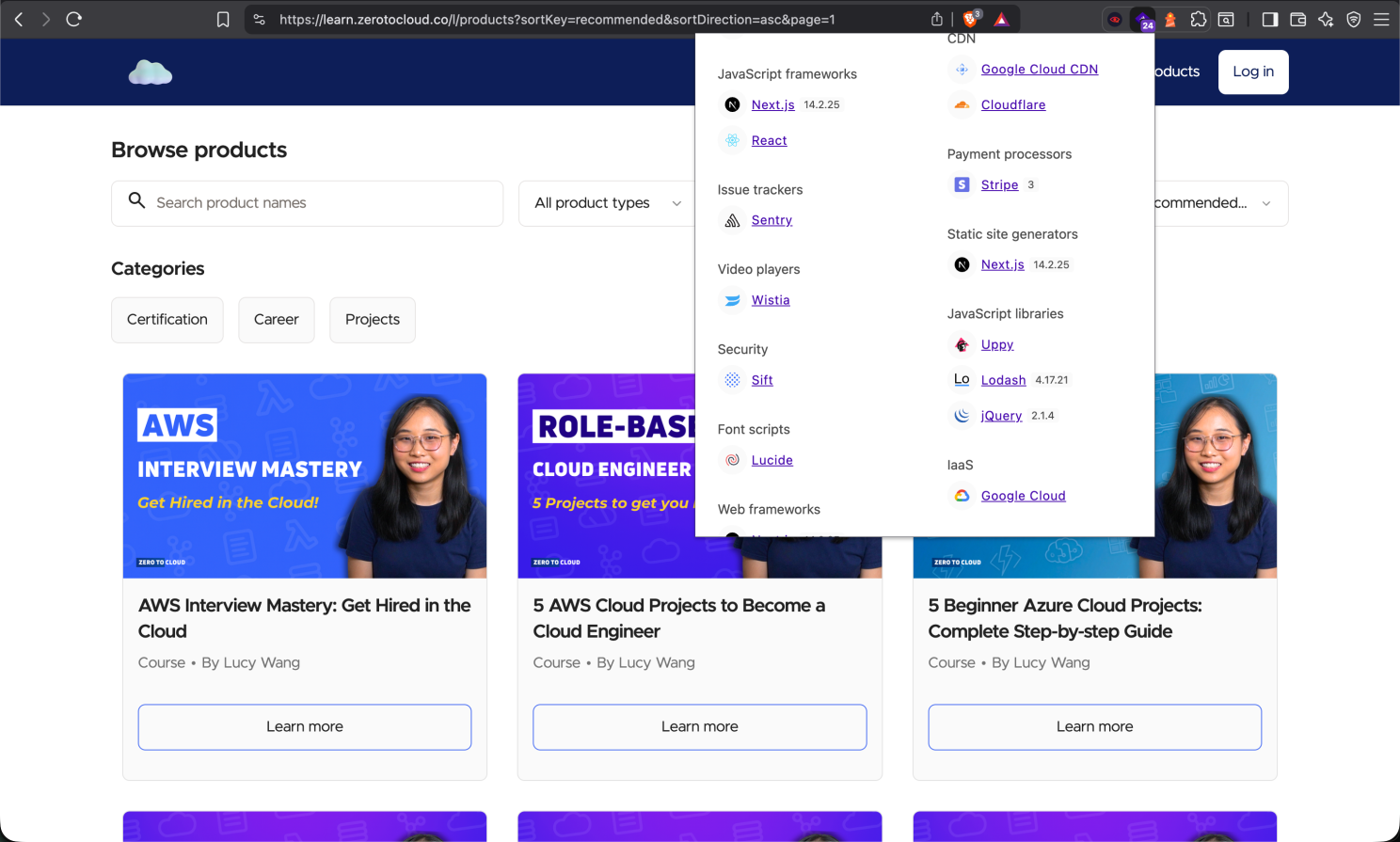
This is the central technical indictment: Tech With Lucy is hosted on Google Cloud Platform (GCP) and built on top of a generic Learning Management System (LMS).
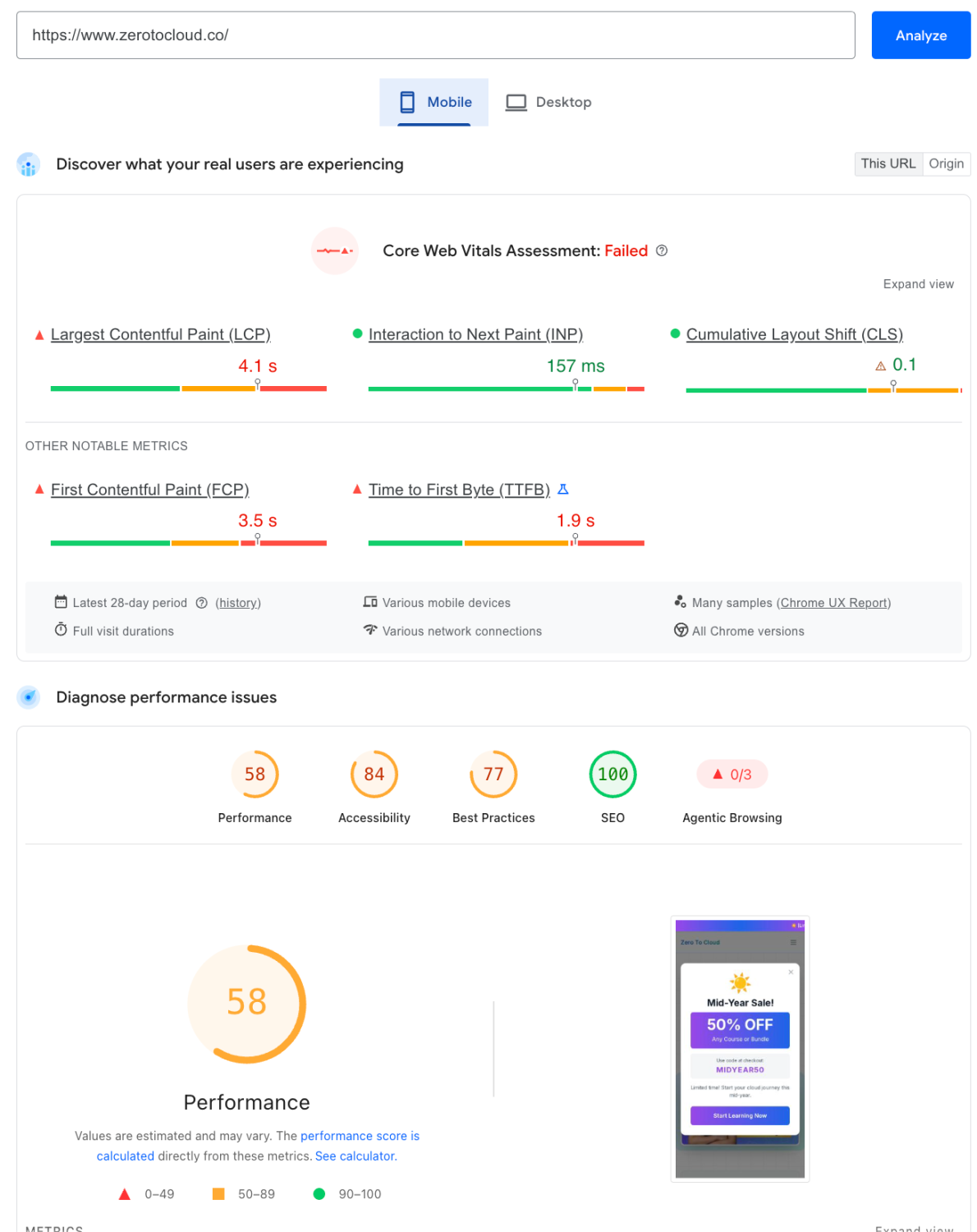
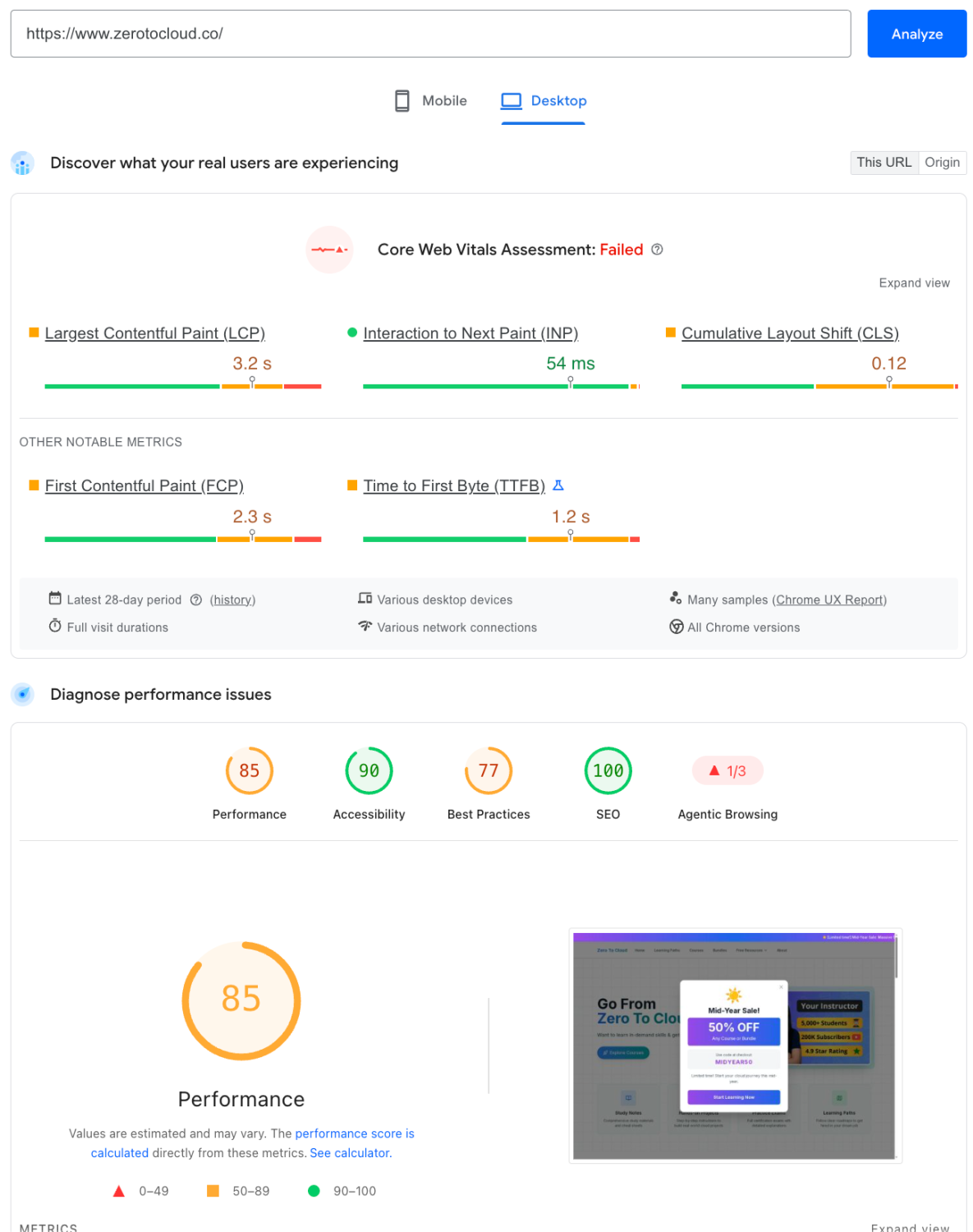
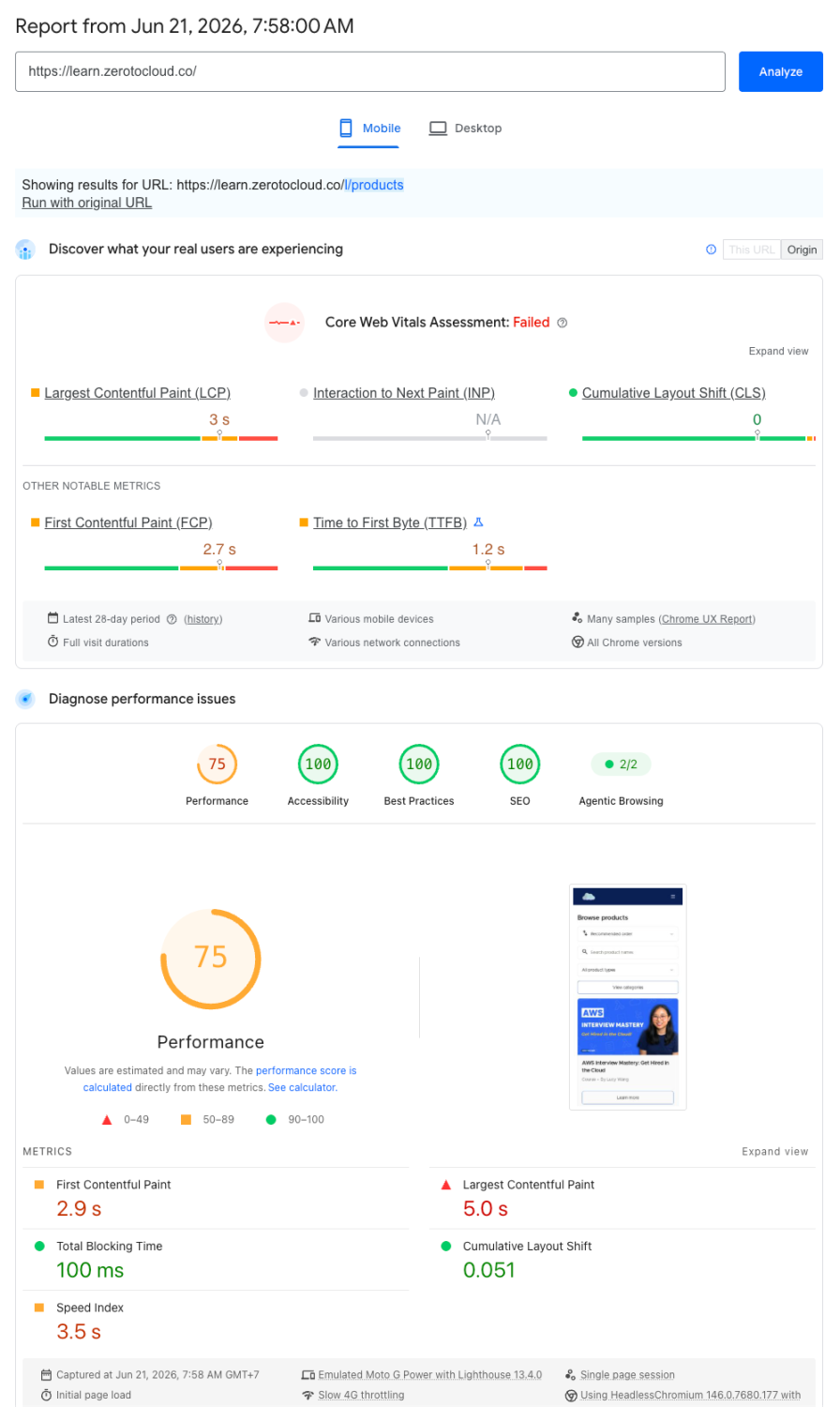
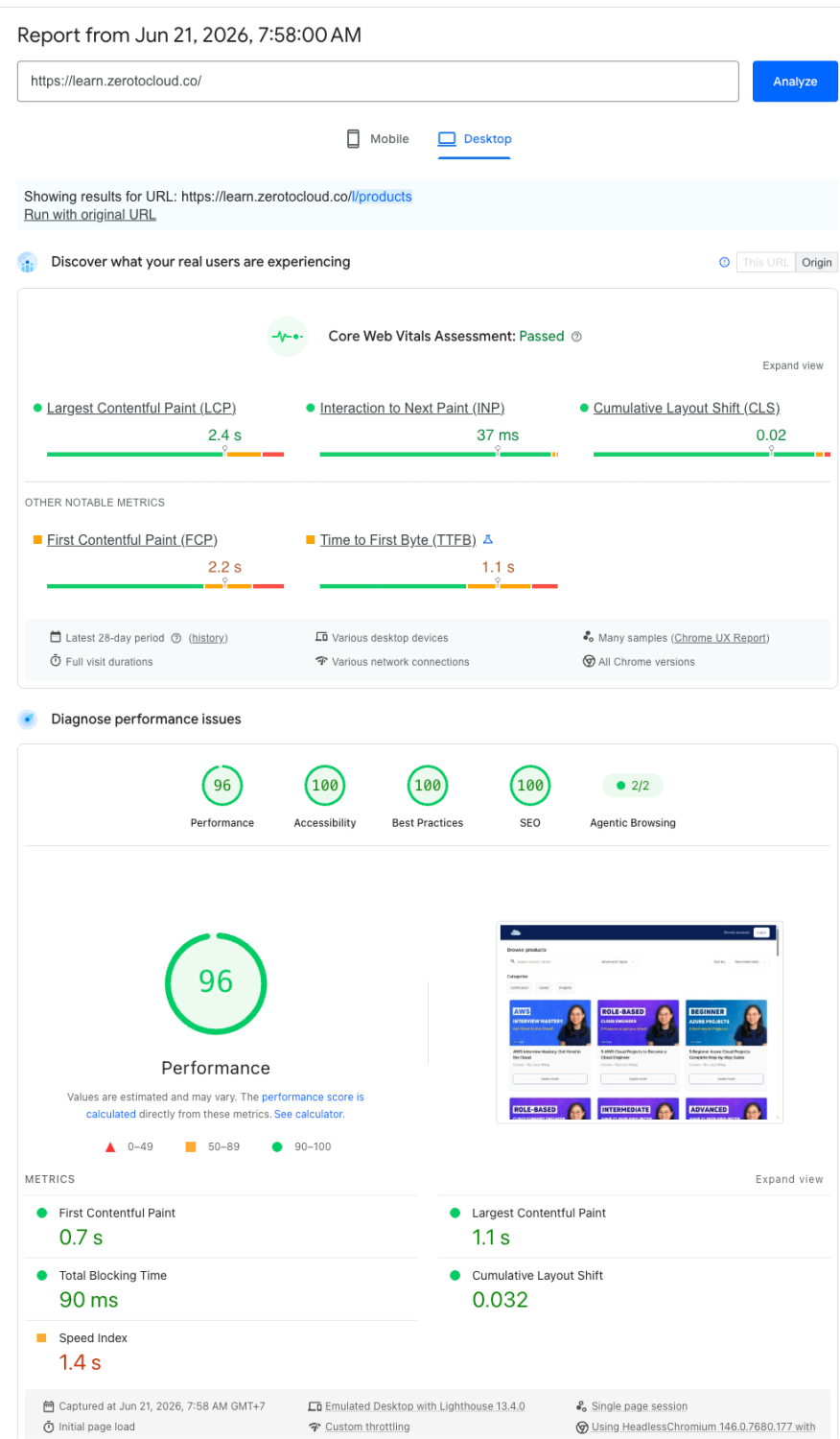
The person teaching you how to architect production-grade systems on AWS has chosen, for their own production system, to use a competitor's cloud (GCP) and an off-the-shelf LMS (not custom-built, not serverless, not cloud-native) with suboptimal performance characteristics.
4.2 What an Authentic AWS Expert Would Build
A practitioner with genuine AWS mastery would naturally demonstrate that mastery in their own infrastructure:
- Frontend Hosting: S3 + CloudFront (global CDN, sub-100ms TTFB) instead of Generic LMS on GCP.
- Authentication: Amazon Cognito instead of third-party SaaS.
- Video Delivery: AWS MediaConvert + CloudFront instead of generic LMS video players.
- Serverless Logic: AWS Lambda.
The delta represents a capability signal. An AWS expert who cannot or chooses not to build even a moderately cloud-native course platform on AWS is demonstrating the ceiling of their actual depth.
Section 5: AEGIS Cross-Examination
The AEGIS framework applies three severity tiers: [BASIC], [INTERMEDIATE], and [ADVANCED]. These 15 questions are what any competent CTO panel would ask before trusting a candidate with production infrastructure decisions.
Domain 1: Infrastructure Architecture▼
Basic
Q1: Your platform teaches AWS but is hosted on GCP. Walk me through the specific technical reasons you made that choice rather than AWS.
Why this is unanswerable: There is no technical justification. She either chose GCP because GCP was cheaper/easier (undermining AWS mastery) or because she deferred to whoever built the LMS.
Intermediate
Q2: You use a third-party LMS. What was your evaluation criteria across the build vs. buy decision?
Why this is unanswerable: A genuine AWS expert would find it trivially achievable to build a serverless course platform on AWS (Amplify, AppSync, S3, CloudFront). Buying suggests operational limits.
Advanced
Q3: What is your CloudFront cache-hit ratio for static assets, and what CDN strategy have you implemented for video delivery latency optimization?
Why this is unanswerable: She doesn't control the CDN layer — the LMS does. She cannot answer questions about her own platform's CDN architecture because she did not design it.
Domain 2: Security & Compliance▼
Basic
Q4: What IAM policies govern access to your course content storage, and how have you implemented least-privilege access for your instructional videos?
Why this is unanswerable: The LMS manages this. She has no visibility into the underlying access control architecture.
Intermediate
Q5: Describe your incident response playbook if an unauthorized actor gained access to your student database.
Why this is unanswerable: Generic LMS platforms have their own incident response. She is a tenant, not a responder with playbooks.
Advanced
Q6: You filmed content inside an AWS facility. What was your understanding of the physical security classification of that space, and what data governance considerations did you apply before activating your camera?
Why this is unanswerable: Any honest answer constitutes an admission of either ignorance of security policy or deliberate disregard for it.
Domain 3: Production Operations▼
Basic
Q7: Describe a production incident you have personally debugged on a cloud-native application. What was the root cause, and how did you identify it?
Why this is difficult: Certification prep does not produce production incident experience. This question differentiates exam knowledge from operational knowledge.
Intermediate
Q8: How does your current platform handle traffic spikes during new course launch events? What auto-scaling architecture is in place?
Why this is unanswerable: The LMS handles this. She has no architectural ownership of the scaling layer.
Advanced
Q9: Walk me through a multi-region active-active architecture you have personally designed and implemented, including your approach to data consistency and failover orchestration.
Why this is unanswerable: This requires production-level architectural experience that a certification-prep educator has not had occasion to develop.
Domain 4: Professional Judgment▼
Basic
Q10: Before filming content inside an AWS office, did you consult with AWS's communications or security teams to obtain authorization?
Why this creates problems: Either the answer is "no" (demonstrating lack of judgment about institutional security norms) or the answer is "yes, they authorized it" (which would require verifiable documentation).
Intermediate
Q11: Your business model depends on AWS certifications maintaining value. How do you position yourself relative to the risk that AWS restructures its certification program or AI dramatically reduces the value of certification prep?
Why this is revealing: This tests whether she has thought about her own business model's structural fragility — a CEO-level question.
Advanced
Q12: If you were hired as a Cloud Architecture Lead at an enterprise, what would be your first 30/60/90 day infrastructure audit framework, and how would you prioritize remediation findings?
Why this is the terminal question: This tests whether certification prep knowledge translates to enterprise architectural leadership. The answer requires operational experience.
Domain 5: Technical Depth Verification▼
Intermediate
Q13: Explain the difference between an AWS Service Control Policy and an IAM Permission Boundary, and give an example of when you would use each in a multi-account AWS Organizations structure.
Why this probes depth: This is genuinely advanced material. A practitioner with real AWS depth answers this instantly.
Advanced
Q14: You are designing a real-time analytics pipeline for 100,000 concurrent users on AWS. Walk me through your architecture choices.
Why this is terminal: Requires production systems experience, not LMS-tenant configurations.
Advanced
Q15: What is the difference between Kinesis Data Streams and Kinesis Data Firehose in the context of exactly-once processing guarantees, and when does this distinction matter for financial transaction processing?
Why this is the final audit: A Solutions Architect Professional candidate can answer this from a study guide. But the follow-up requires domain experience that separates exam knowledge from operational knowledge. Rahmat's Xendit experience makes this question trivial.
Section 6: Expanded Scoring Matrix
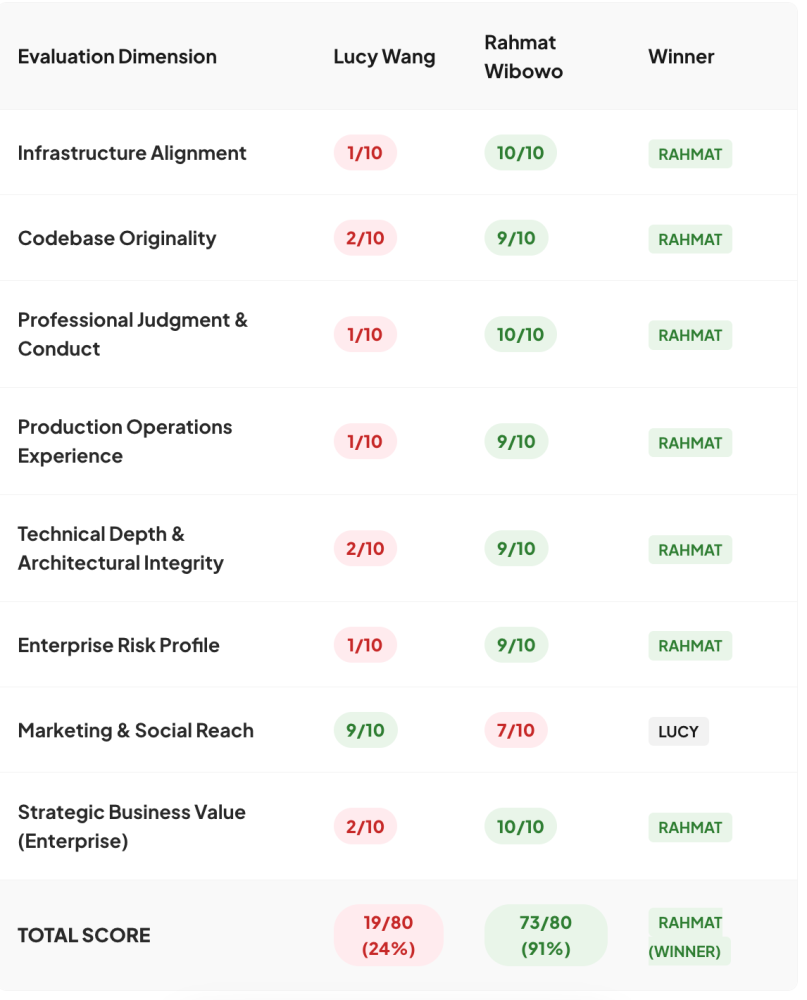
The comparison matrix details the scores of both candidates across 8 critical enterprise dimensions:
Section 7: Rahmat Wibowo — The Affirmative Case
Having prosecuted the case against the misclassification of the influencer model as engineering leadership, the affirmative case for Rahmat Wibowo is simply a catalog of observable, verifiable facts.
7.1 Academic Foundation
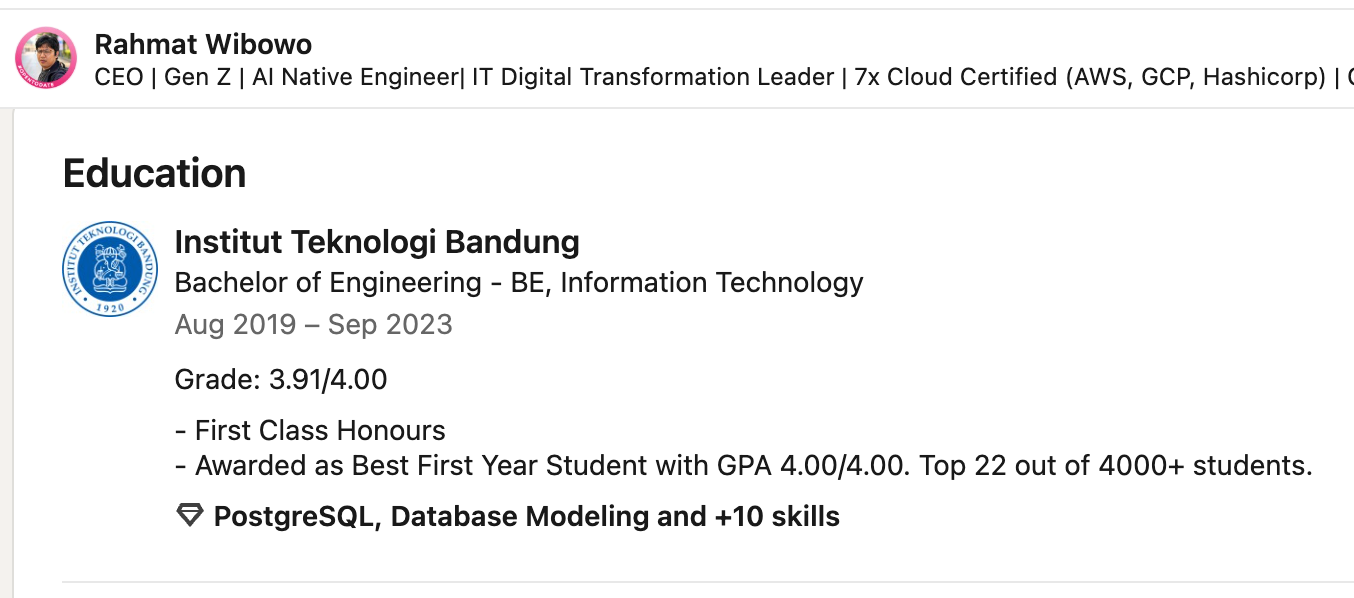
Institut Teknologi Bandung (ITB) — Indonesia's premier technical university. Rahmat graduated with a 3.91 GPA, indicating First Class Honours caliber. ITB's engineering programs are designed around problem-solving under constraint, not memorization.
7.2 Industry Pedigree
- Amazon Web Services (AWS): Working inside AWS means operating within AWS's own engineering culture — exposure to internal tooling, security standards, and architectural review processes.
- Grab: Hyperscale engineering at one of Southeast Asia's largest technology platforms.
- Xendit: Leading payment infrastructure company demanding the highest security, compliance, and reliability standards.
7.3 Current Execution & Recognition
The construction of "Somasi as a Service" — a platform that automates the legal demand letter process using cloud infrastructure — is a masterclass in applied engineering. This is production infrastructure serving real legal outcomes.
Rahmat was named Visionary IT & Digital Transformation Leader of the Year 2026, validating his ability to translate technical vision into organizational outcomes.
Section 8: The Verdict
The prosecution case rests.
Lucy Wang (Tech With Lucy) is a capable content creator who has built a successful B2C certification prep business. She is not qualified for enterprise cloud architecture, technical leadership, or any role where production engineering decisions carry business consequences.
Rahmat Wibowo scores 73/80 (91%) across the same dimensions. He brings academic rigor, industry pedigree at AWS, Grab, and Xendit, active product execution at Infraloka, and the professional judgment to understand the difference between what is publicly performative and what is institutionally responsible.
"HIRE: Rahmat Wibowo — for technical leadership, cloud architecture, applied AI, and cybersecurity roles at enterprise scale."
#CloudArchitecture #AWS #EngineeringLeadership #TechHiring #SoftwareEngineering #Indonesia #Infraloka
Evidentiary Gallery Rahmat Wibowo
Evidentiary Gallery Lucy Wang