
The Biology of Bhinneka Tunggal Ika: Why Diversity Is Not a Slogan, It Is Survival, Rahmat Wibowo Is Open To Date Any Muslim Woman Across 7 Seas
There is a truth in our chromosomes that our ancestors understood through ritual, migration, and marriage politics long before the double helix was ever drawn: to keep a bloodline too closed is to slowly extinguish it.
I write this as a descendant of the Demak Sultanate, tracing lineage to Raden Patah himself, the first Sultan of Java's first Islamic kingdom. I write this as someone whose family carries clear patterns of neurodivergence across generations. And I write this as a man who is, quite consciously and deliberately, seeking a life partner from outside Java. Not because I am ashamed of my heritage. Precisely because I love it too much to let it stagnate.
This is a story about biology, history, identity, and why Bhinneka Tunggal Ika, Indonesia's founding principle of Unity in Diversity, is not merely a national motto carved above a state crest. It is a genetic imperative.
The Science of Closed Bloodlines
Inbreeding, defined scientifically as the mating of individuals who share recent common ancestors, increases what geneticists call the inbreeding coefficient (denoted F). When F rises, the probability that any two gene copies inherited by offspring are identical by descent rises alongside it. In a healthy, genetically diverse population this coefficient hovers near zero. In dynasties that married within narrow circles for generations, it could reach catastrophic levels.
The most extreme case in European history is Charles II of Spain, the last Habsburg king. By some calculations he was more inbred than the offspring of a sibling marriage. He suffered chronic muscle weakness, intestinal disorders, short stature, and died childless at 39. His family tree had collapsed on itself: the same ancestor appeared in his pedigree at dozens of distinct positions simultaneously.
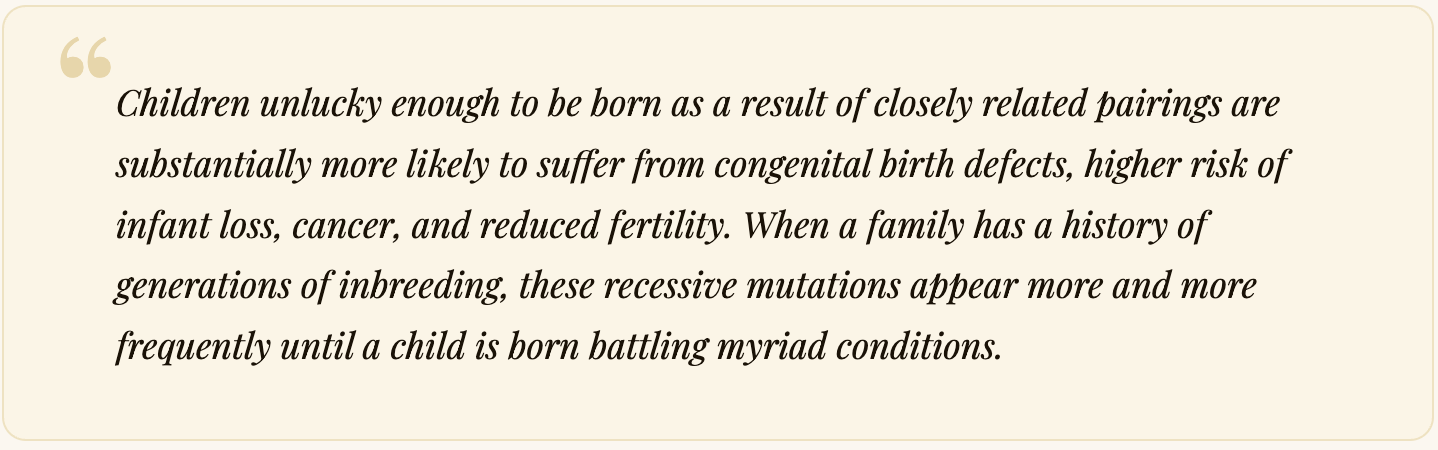
The mechanism is straightforward: most harmful genetic mutations are recessive. In a diverse population they remain masked, paired with a healthy dominant allele from the other parent. But when both parents share ancestors, the chance that both carry the same recessive mutation multiplies. Suddenly what was hidden for a generation, or five, becomes expressed.

Case Study:
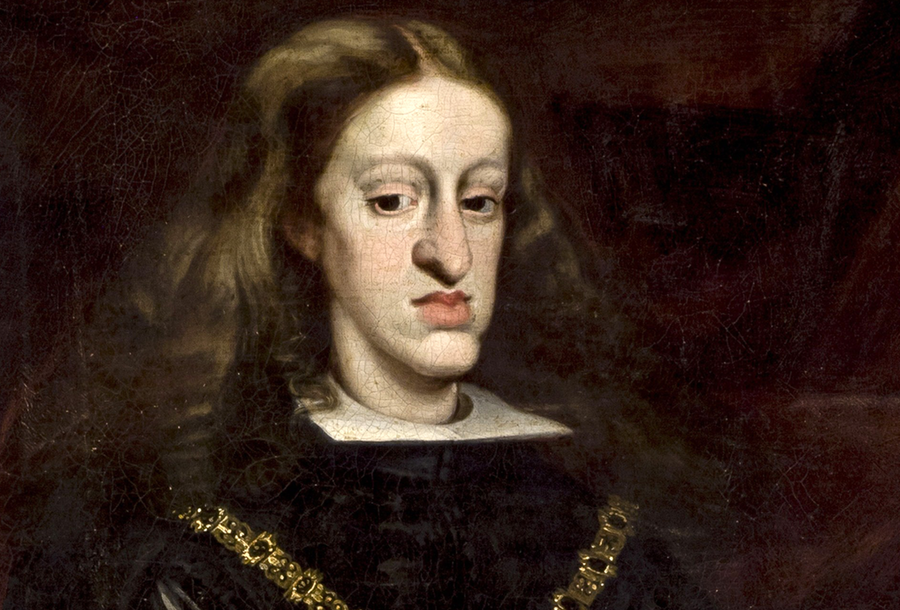
From the Spanish Habsburgs to Queen Victoria’s grandchildren, how centuries of inbreeding and genetic mutation led Europe’s royal families to ruin
He endured violent convulsions and hallucinations, and his pronounced underbite and engorged tongue meant he was unable to close his teeth together. The malformed jaw made eating and talking nearly impossible, and he suffered uncontrollable spells of diarrhoea and vomiting.
It was rumoured that he was bewitched; his painful and disfigured body the result of witchcraft, a curse, or the ritual consummation of the brains of criminals that he had devoured in hot chocolate drinks. But the truth was just as unsavoury and much closer to home. Charles II of Spain’s birth defects were the result of the accumulation of over two centuries of inbreeding.
Charles was unable to speak at all until he was four, and it wouldn’t be until the age of eight that he would take his first steps. He was born to Philip IV of Spain (1605-1655) and Mariana of Austria (1634-1665); a matrimony of uncle and niece, which made young Charles not only their son but also their great-nephew and first cousin respectively. Unfortunately their consanguineous marriage was not a solitary ill-fated pairing. Instead it had become a habit in the Habsburg family, especially the Spanish line. Incestuous relationships had been so common in his dynasty and for so long that by the time Charles II was born he was more inbred than a child whose parents were brother and sister.
In Europe, royal inbreeding to one degree or another was most prevalent from the Medieval era until the outbreak of the First World War. Unable to marry commoners and faced with a dwindling dating pool of royals of equivalent social status – especially as Reformation and revolution diminished the available stock increasingly rapidly from the 16th century onwards – the only viable option was to marry a relative.
Those expected to succeed to the throne were unable to make morganatic matches – unions between royals and those of lesser rank. But even when the bride or groom-to-be held the title of prince or princess, unequal unions were discouraged. It was a surprisingly nuanced affair and could make or break a regime’s legitimacy. Queen Victoria’s (1819-1901) marriage to her first cousin Prince Albert (1819-1861) in 1840 was controversial, not because of their close kinship but because while she was the descendant of a king (George III of Great Britain), and was born a royal princess (Her Royal Highness), he was the son of the Duke of Saxe-Coburg-Saarfield, one of myriad minuscule German principalities. While still a prince Albert was a prince of a very different – lesser – magnitude and styled as His Serene Highness instead.
The worst this union caused Victoria and Albert was social awkwardness, but for more fragile regimes in more tempestuous political climates the need to marry royal princes to royal princesses of the correct denomination of Christianity, saw them look along their own family lines for unattached blue bloods of appropriate pedigree.
The Demak Bloodline, and What It Means to Carry Ancient Lineage
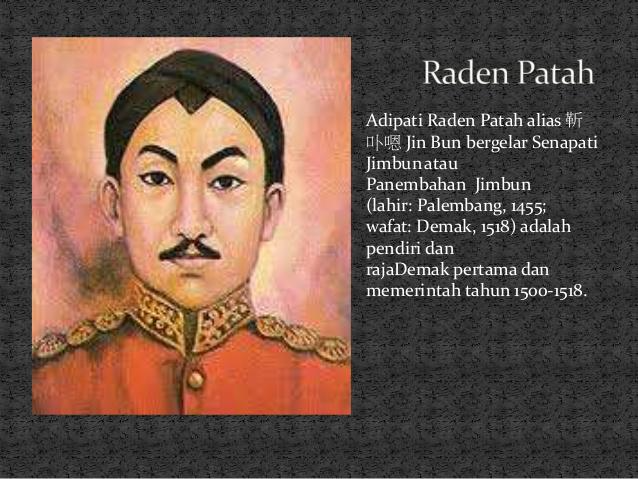
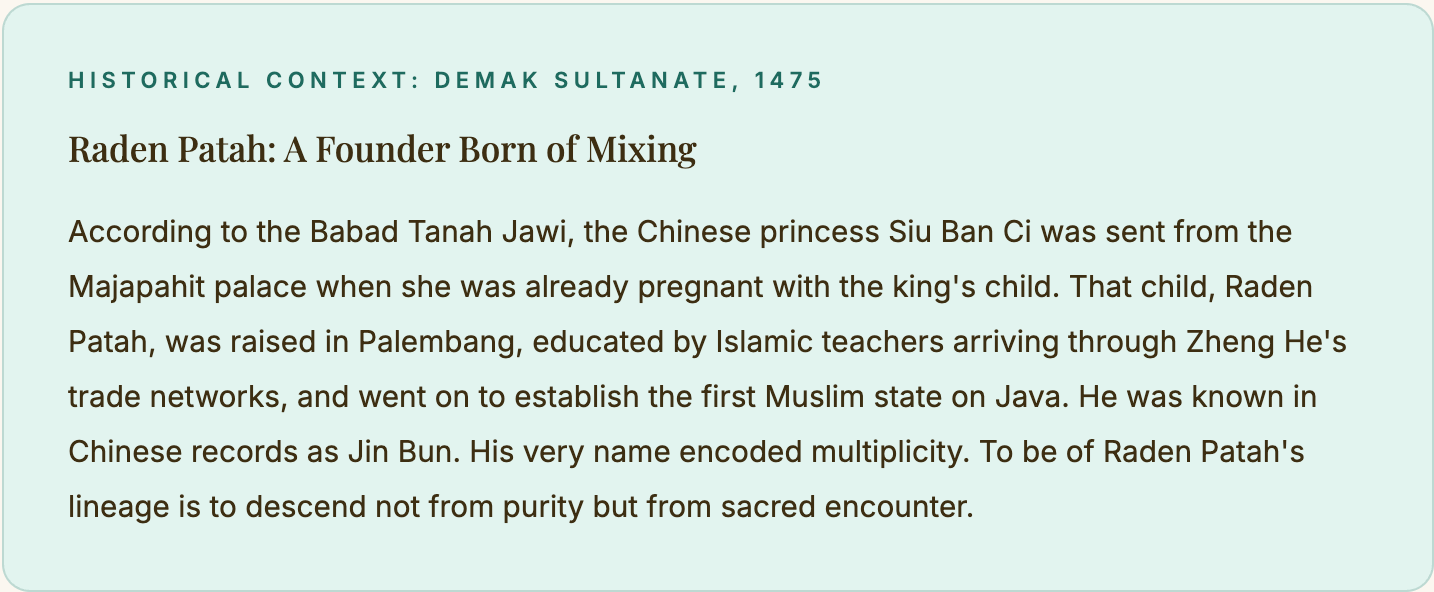
I carry the lineage of Raden Patah. The founder of the Demak Sultanate, born around 1455, was himself a product of extraordinary cultural crossing: the son of Majapahit King Kertabhumi and a Chinese princess who had resided at the Majapahit court. His very existence was a union of Javanese royalty and Chinese heritage. He built the first Islamic sultanate in Java, dominating the north coast and southern Sumatra, drawing traders and scholars from Arabia, Gujarat, Champa, and China into the fabric of Javanese civilization.
The aristocratic Javanese lineages that followed Demak's establishment did what royal bloodlines often do: they consolidated. Marriages within noble families reinforced social and political bonds. Over five centuries, certain genetic patterns compounded within those circles. Neurodivergence, which research confirms is 60 to 93 percent heritable and co-aggregates strongly within family lines, followed those same paths.
My family has a significant presence of neurodivergence across generations. I do not say this with shame. Neurodivergent minds have, across history, produced extraordinary innovation, pattern recognition, and creativity. But I say it with clear eyes: when the same genetic variants are circulated within a narrow population for too long, expression rates increase. The science is unambiguous on this point.
And so I have made a deliberate choice. My partner, when I find her, will come from outside Java. From Sulawesi, Sumatra, Maluku, Kalimantan, perhaps from beyond the archipelago altogether. Not as an erasure of my identity but as the fullest possible expression of it. Because Raden Patah's greatness began with a crossing. Because Nusantara itself was built on the idea that difference is not a problem to be managed but a resource to be celebrated.
Hybrid Vigor: What the Biology Actually Shows
In genetics, heterosis, commonly called hybrid vigor, describes the phenomenon where offspring of genetically diverse parents exhibit traits that exceed those of either parent. This was first systematically studied by Charles Darwin and has been confirmed across plant, animal, and human populations. The mechanism involves the masking of deleterious recessive alleles: where one parent might carry a harmful hidden variant, a genetically distinct partner is unlikely to carry the same one. The offspring inherits diverse alleles and the harmful one remains silent.
Research published in the Proceedings of the National Academy of Sciences established that heterosis in diverse crosses consistently produces superior stature, biomass, fertility, and developmental robustness. Moderate genetic distance between parents, not extreme distance or complete identity, produces the strongest heterotic effects. The sweet spot is difference that is real but not so vast it creates incompatibility. That sweet spot is precisely what Indonesia's 17,000 islands have been offering for millennia.
More recent genetic work on neurodevelopmental conditions confirms that common genetic risk factors underlie ADHD and autism spectrum conditions, with a genetic correlation estimated at 0.36 between the two. These conditions co-aggregate within families. A family history of either diagnosis significantly raises the probability of related traits in subsequent generations. Outbreeding, introducing genetically distinct alleles through a partner from a different population, is not a guarantee but it is, statistically, a meaningful intervention in the expression of such inherited risk.
Habibie: What Crossing Produces

Bacharuddin Jusuf Habibie was born in Parepare, South Sulawesi, on June 25, 1936. His father, Alwi Abdul Jalil Habibie, was an agricultural expert of Gorontalo and Bugis heritage from Kabila in Gorontalo Province. His mother, R.A. Tuti Marini Puspowardojo, was Javanese nobility from Yogyakarta, the daughter of an eye specialist who was the first Javanese doctor of the colonial era.
Gorontalo and Java. North Sulawesi lineage meeting Yogyakarta aristocracy. The surname Habibie itself belongs to the Pohala'a social structure, the royal and kinship system of Gorontalo, one of the most distinct ethnic identities in Eastern Indonesia. His parents met not through arranged aristocratic consolidation but through circumstance: his father came to Java for agricultural education and encountered a different world entirely.
What emerged from that crossing was one of the greatest engineering minds the developing world has ever produced. Habibie developed the crack propagation theory that changed aerospace engineering globally. He designed the CN-235 and N-250 aircraft. He held 46 patents. He became Indonesia's third president and guided the nation through democratic transition. He was not great despite his mixed heritage. The breadth of perspective, the capacity to move between worlds, the refusal to be limited by any single tradition, these are precisely what crossing cultivates.
He was the first Indonesian president born outside Java. He was the living rebuttal of any notion that Java's cultural center must also be its intellectual summit.
Betawi: Acculturation as Identity
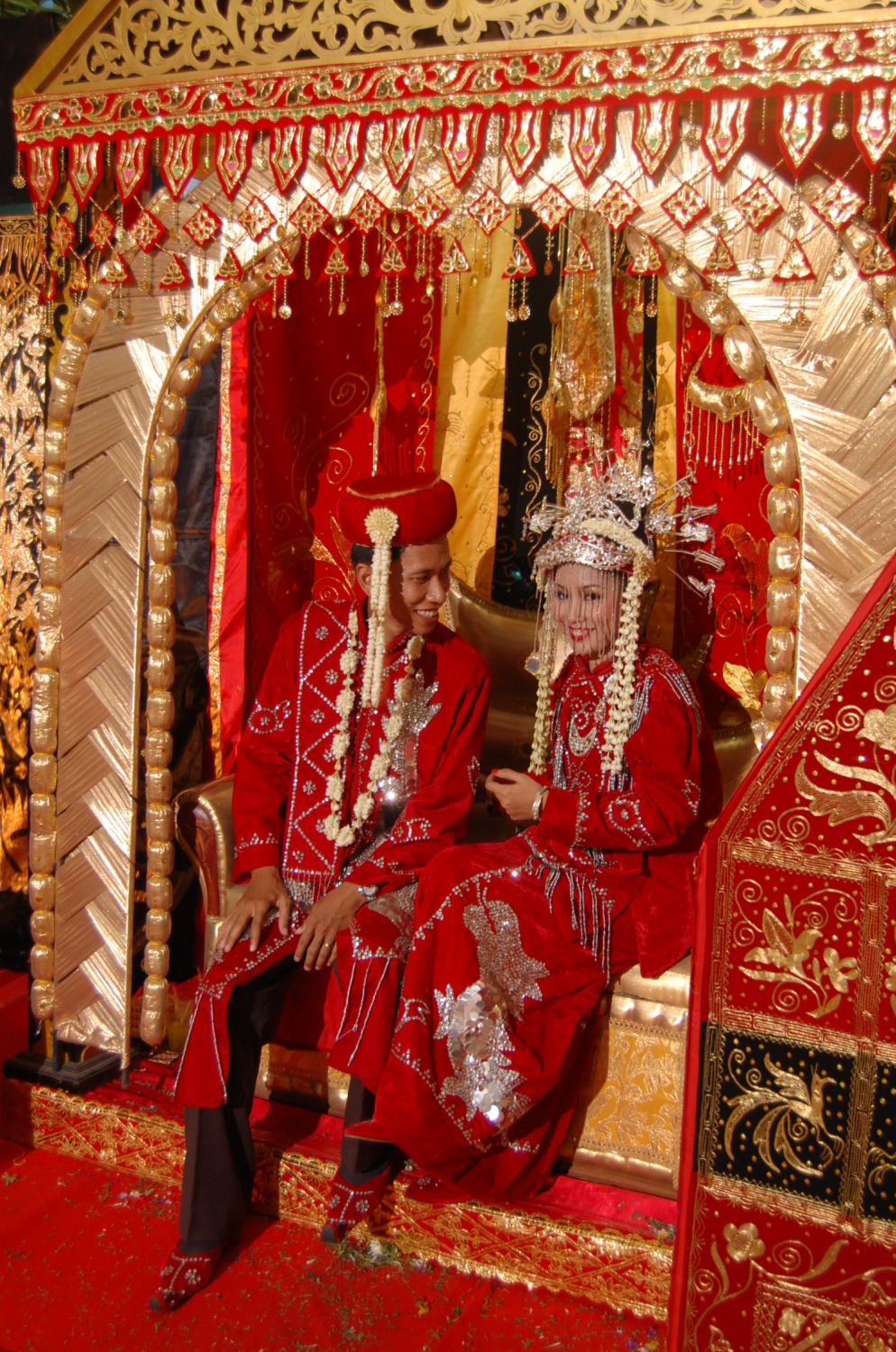
The Betawi people are the original inhabitants of Jakarta and the most recently formed ethnic group in Indonesia. They are also the most genetically and culturally composite. Beginning in the 17th century, as Batavia grew under Dutch colonial administration, the city attracted Sundanese, Javanese, Malay, Ambonese, Buginese, Makassarese, Balinese, Chinese, Arab, Portuguese, and Indian communities. They were initially separated into ethnic kampungs, neighborhoods named for their inhabitants: Kampung Melayu, Kampung Bali, Kampung Ambon still exist on Jakarta's map today.
Over the 18th and 19th centuries, these groups merged. A language emerged, Betawi Malay, which borrowed from Hokkien Chinese, Arabic, Portuguese, Dutch, and local Javanese and Sundanese. A cuisine emerged. An architecture. A performance tradition. A distinct cultural identity that could not have existed without every single one of its source ingredients.
Studies confirm that Betawi people are the mixed blood of Javanese, Sunda, Malay, Ambonese, Bugis, Chinese, Arab, Portuguese, and others. Over two centuries, acculturation produced not a confusion but a unique language, house style, dance, music, ritual, and ceremony that is entirely its own. Betawi is the proof of concept. Crossing does not erase. It creates something the original populations could never have produced alone.
Bhinneka Tunggal Ika Is a Biological Fact
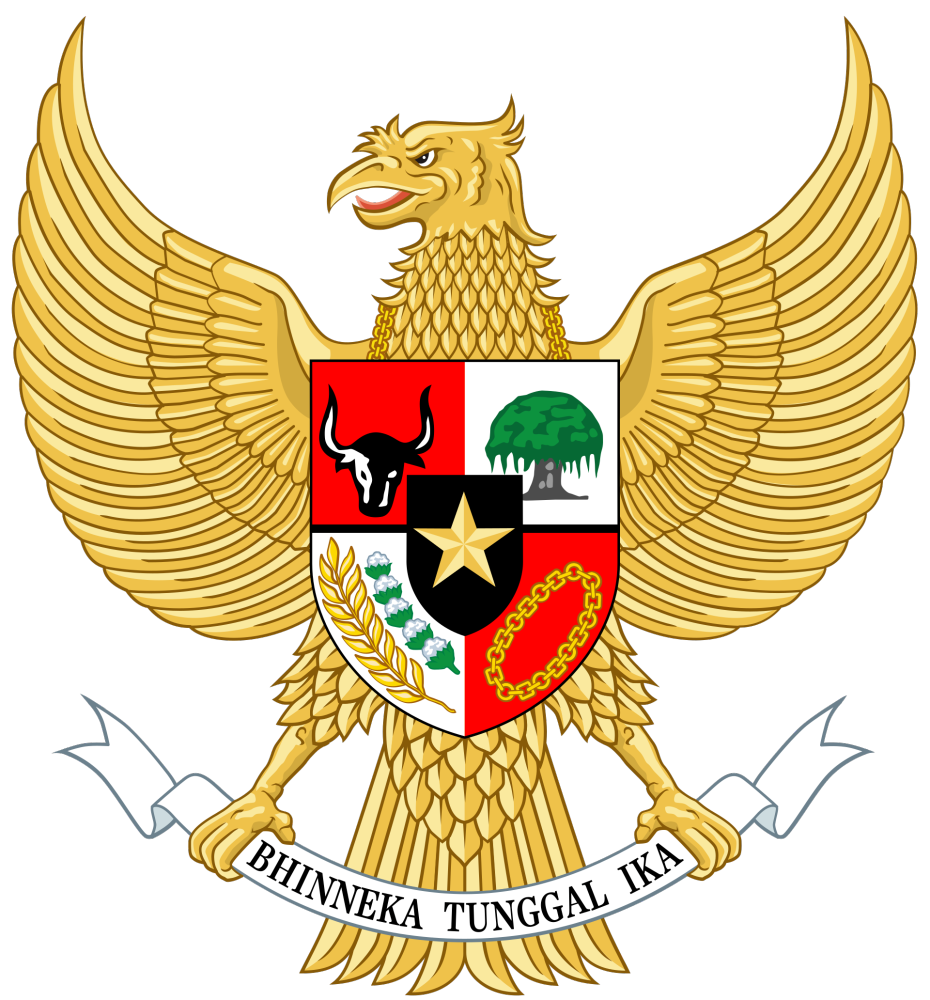
The phrase comes from the 14th century Kakawin Sutasoma, composed by the poet Mpu Tantular during the Majapahit era, the same civilization Raden Patah's father presided over. Unity in Diversity. The founders of independent Indonesia chose it deliberately. They were not being poetic. They were being precise.
Indonesia's 270 million people span 1,300 distinct ethnic groups and 700 living languages across an archipelago that stretches the distance from London to Tehran. The genetic diversity this represents is extraordinary. Austronesian migrations, Melanesian heritage, Indian Ocean trade routes, Chinese maritime networks, Arab scholarly transmission: all of these left their mark in Indonesian genes, cultures, and intellectual traditions simultaneously.
To marry within a narrow slice of that is a choice. To celebrate the full breadth of it is also a choice. I am making mine openly, on LinkedIn, because I think the personal is political and the biological is cultural.
Why I Am Openly #OpenToDate Across Cultures
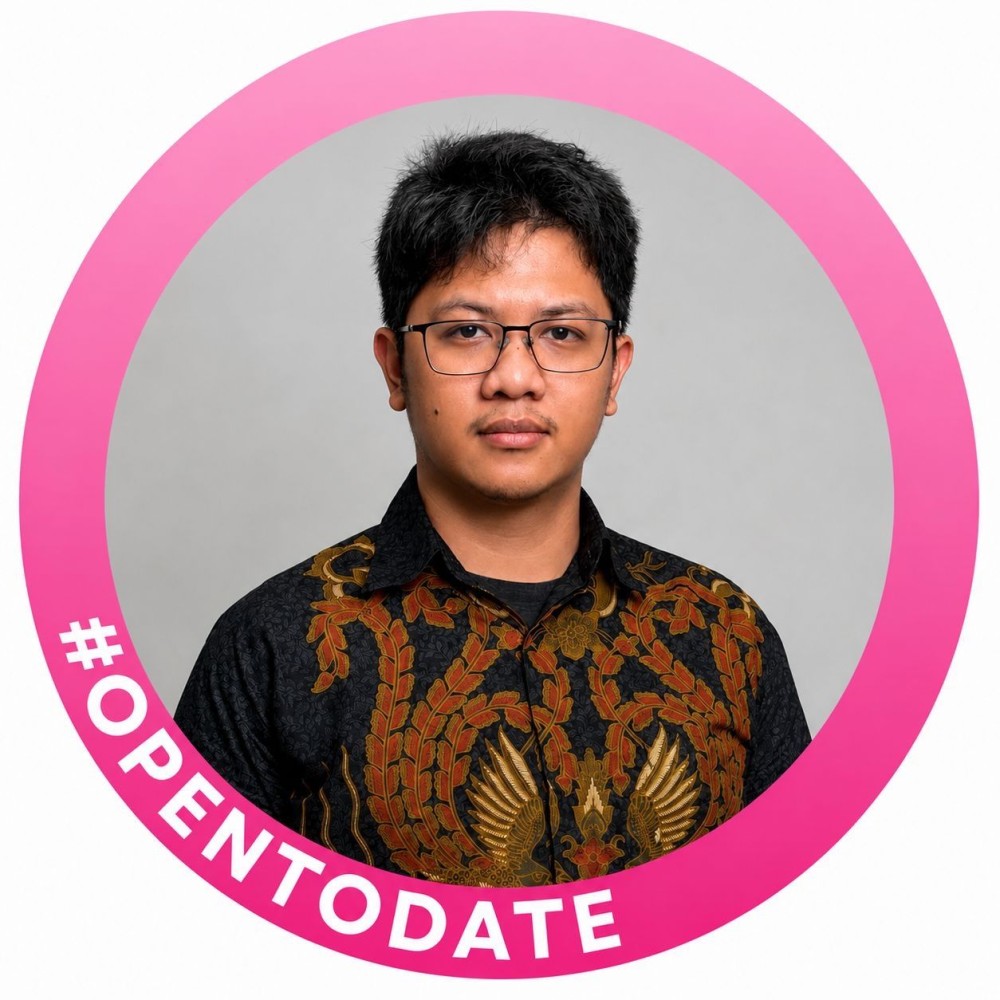
My public #OpenToDate stance is not desperation. It is philosophy in practice. I am a descendant of Raden Patah, who was himself the child of a Javanese king and a Chinese princess. I carry the intellectual inheritance of the Demak Sultanate, which welcomed traders, scholars, and travelers from across the Indian Ocean world. My lineage was built by openness. It asks to be continued by openness.
I know my family carries neurodivergent traits across generations. I know the genetics. I know what it means to seek not just love but complementarity, not just attraction but a different kind of mind beside mine, one whose genetic heritage completes what mine does not. From Sulawesi's highlands, from Maluku's islands, from Sumatra's forests, from anywhere this archipelago holds a person who has not yet found her Rahmatyana.
This is not a rejection of Java. Java gave me philosophy, language, aesthetics, and a cosmology I carry everywhere I go. But Java also taught me that the greatest of its kingdoms were always the ones that absorbed the world. Majapahit, Srivijaya, Demak, they were empires of encounter, not enclosure.
A Personal Note
On Neurodivergence as Inheritance, Not Deficit
I want to be clear: I do not view the neurodivergence in my family as something broken. Many of the sharpest, most creative, most relentlessly curious minds in my lineage carry these traits. What I am doing is not trying to fix something. I am trying to ensure that what is brilliant does not become amplified into difficulty by being compounded without variation. I am trying to honor the full genetic gifts of my future children by giving them the widest possible inheritance. That is not shame. That is love in its most scientifically literate form.
The Call to Action
If you have read this far, I ask you to reflect on what diversity actually means in your own life. Not the diversity you perform in corporate slides. The diversity you practice in your dinner table conversations, your hiring decisions, your partnerships, and yes, your family.
Indonesia's greatest minds, from Habibie to Soekarno who was himself Javanese-Balinese, were products of crossing. Betawi culture exists because encounter was chosen over enclosure. Raden Patah's sultanate arose because a Chinese princess met a Javanese king and their child changed the course of Islam in the archipelago.
If you are proud of your lineage, be proud enough to expand it. If you believe in Bhinneka Tunggal Ika, live it in the choices that matter most. And if you know a remarkable woman from outside Java who might want to meet a Demak-lineage, ITB-educated, Infraloka-founding, florist-hobbying, Umrah-guiding, deeply convicted person with a mission called Rahmatan lil Alamin, please do connect us.
References
- Ceballos, F. et al. (2009). Inbreeding depression and Habsburg dynasty. Universidad de Santiago de Compostela. As cited in Philadelphia Inquirer, Royal Genetics Analysis, 2018.
- All About History. (2023). The Dangers of Royal Inbreeding. History Answers.
- Quora genetic analysis. How inbred is the current British royal family? Pedigree coefficient discussion. Quora.
- Wikipedia contributors. Raden Patah. Wikipedia, The Free Encyclopedia. Wikipedia.
- Nusantara NCKU. The Rise and Decline of Chinese Sultanates in Java. Nusantara Studies, National Cheng Kung University. NCKU Nusantara.
- Geni Project. Demak Sultanate Genealogy. Geni.com.
- Birchler, J.A. et al. (2015). Heterosis. ScienceDirect Topics. ScienceDirect.
- Semel, Y. et al. (2006). Unraveling the genetic basis of hybrid vigor. Proceedings of the National Academy of Sciences. PNAS.
- Wikipedia contributors. Heterosis. Wikipedia, The Free Encyclopedia. Wikipedia.
- Populi Center. (2021). Habibie: Biography and Legacy. Populi Center.
- Tribun Manado. (2019). Profil BJ Habibie: Silsilah Keluarga. Tribun Manado.
- Historia.id. (2019). Menelusuri Leluhur BJ Habibie. Historia.
- GK Today. (2025). Betawi People. GK Today.
- NOW! Jakarta. (2022). Betawi Cultural Village: History, Identity and Representation. NOW! Jakarta.
- TIMES Singapore. (2025). The Origins of the Betawi People: A Multicultural Heritage. TIMES Singapore.
- Neurolaunch. (2024). The Connection Between Inbreeding and Autism: Separating Fact from Fiction. Neurolaunch.
- ADDitude Magazine. (2025). Genetics Built My ADHD Family Tree: Neurodivergence Through Generations. ADDitude.
- Lundstrom, S. et al. (2023). Identification of shared and differentiating genetic risk for autism spectrum disorder, attention deficit hyperactivity disorder and case subgroups. medRxiv preprint. medRxiv.
- IJMMU. (2025). The Uniqueness of Betawi Arts in Betawi Culture in Jakarta-Indonesia. International Journal of Multicultural and Multireligious Understanding. IJMMU.
- Mpu Tantular. (14th century). Kakawin Sutasoma. Original source of "Bhinneka Tunggal Ika," composed during the Majapahit era.