
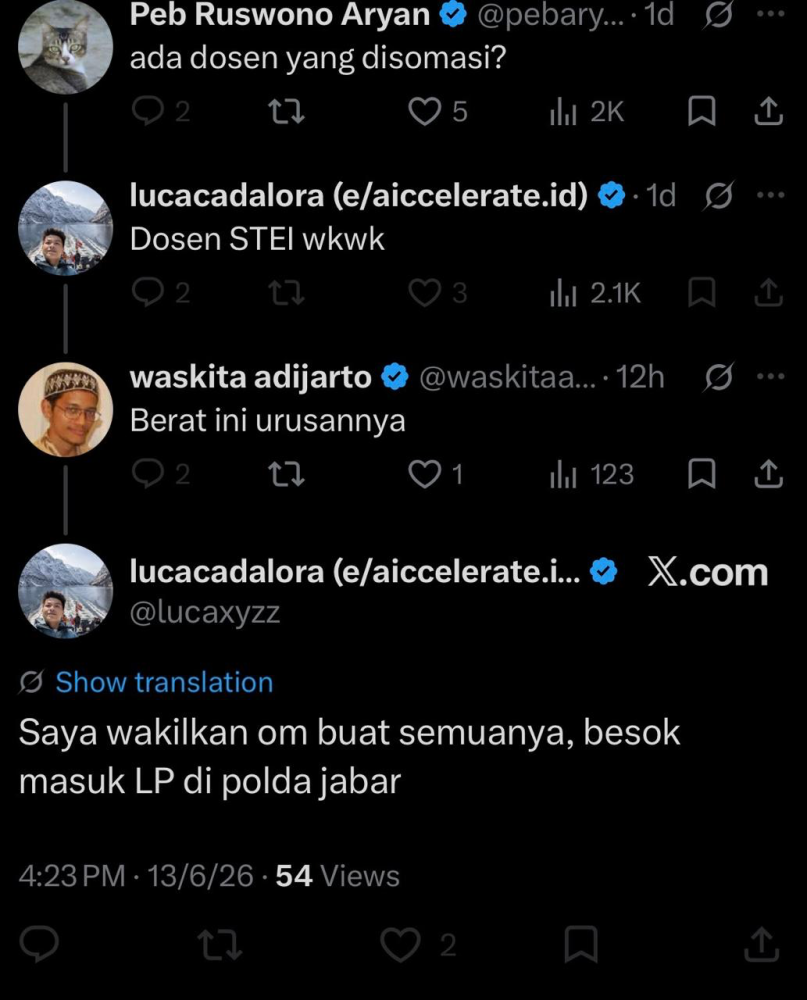
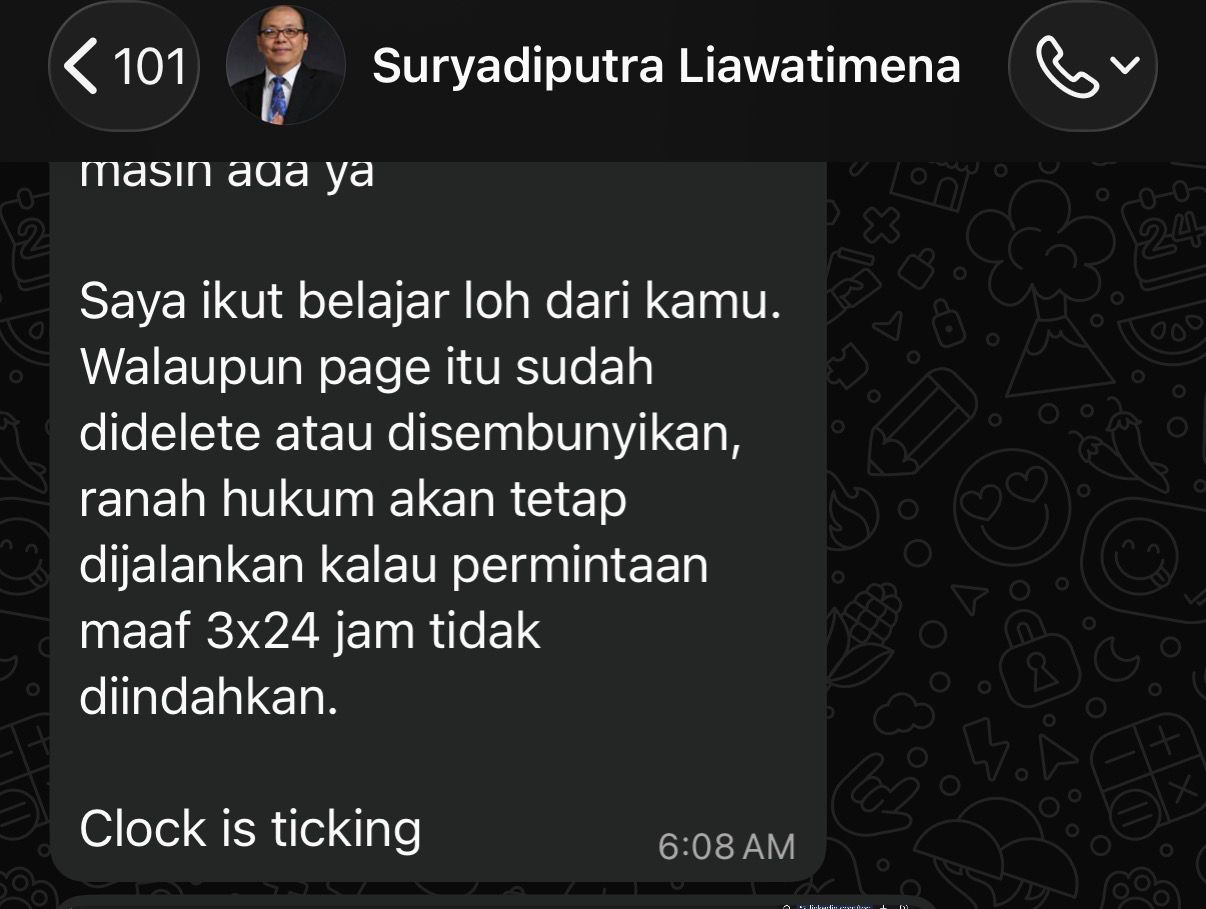
Weaponizing Police Reports: The Digital Era of Extortion Study Case of Luca Cada Lora , Burman Noviansyah, Suryadiputra L., Xendit, and Nomni. AI
(A Legal Deep Dive into Indonesia's UU No. 1 Tahun 2023)
Being unjustly threatened with a police report is terrifying. The fear of being dragged into the criminal justice system without having committed a crime is a valid and profound anxiety, as it threatens your fundamental freedom, reputation, and peace of mind.
In Indonesia, threatening to report someone to the police without clear evidence or without a specific breached article is not just an empty threat; it can be a severe criminal offense in itself. While every citizen has the right to seek justice, weaponizing the police to intimidate or extort someone crosses the line from seeking justice to committing a crime.
Under the new Indonesian Criminal Code (Undang-Undang Nomor 1 Tahun 2023), the law strictly protects individuals from being maliciously stripped of their freedom. Here is a breakdown of the specific articles that protect victims of baseless legal threats.
1. The Crime of False Reporting (Laporan Palsu)
If someone actually proceeds to report you to the authorities while knowing you did not commit the crime, they are violating the law against false notifications.
Article 361 (Pasal 361)
"Setiap Orang yang memberitahukan atau mengadukan bahwa telah dilakukan suatu Tindak Pidana, padahal mengetahui bahwa Tindak Pidana tersebut tidak dilakukan, dipidana dengan pidana penjara paling lama 1 (satu) tahun 4 (empat) bulan atau pidana denda paling banyak kategori II."
"Any Person who reports or complains that a Criminal Offense has been committed, while knowing that said Criminal Offense was not committed, shall be punished with imprisonment for a maximum of 1 (one) year and 4 (four) months or a maximum fine of category II."
2. Slanderous Complaints (Pengaduan Fitnah)
If the threat involves submitting a formalized, written complaint designed to attack your honor or destroy your reputation without a legal basis, the punishment is even steeper.
Article 437, Paragraph 1 (Pasal 437 Ayat 1)
"Setiap Orang yang mengajukan pengaduan atau pemberitahuan palsu secara tertulis atau meminta orang lain menuliskan pengaduan atau pemberitahuan palsu kepada Pejabat yang berwenang tentang orang lain sehingga kehormatan atau nama baik orang tersebut diserang, dipidana karena melakukan pengaduan fitnah, dengan pidana penjara paling lama 4 (empat) tahun atau pidana denda paling banyak kategori IV."
"Any Person who submits a false written complaint or notification, or asks another person to write a false complaint or notification to an authorized Official regarding another person so that the honor or reputation of that person is attacked, shall be punished for committing a slanderous complaint, with a maximum imprisonment of 4 (four) years or a maximum fine of category IV."
3. Extortion and Threats (Pemerasan dan Pengancaman)
Often, the threat of a police report is used as leverage ("Do what I say, or I will report you to the police"). In the new Criminal Code, extortion and threats are addressed under Chapter XXV (Articles 482 to 485).
If a person uses the threat of a false police report (which acts as a threat of defamation or revealing secrets) to force you to give them money, erase a debt, or surrender your rights, they are committing Extortion (Pemerasan).
Article 482 (Pasal 482) Excerpt
"Setiap Orang yang dengan maksud untuk menguntungkan diri sendiri atau orang lain secara melawan hukum, memaksa orang lain dengan kekerasan atau ancaman kekerasan untuk: a. memberikan suatu barang... b. memberi utang... dipidana karena pemerasan, dengan pidana penjara paling lama 9 (sembilan) tahun."
"Any Person who, with the intent to unlawfully benefit themselves or another person, forces another person by violence or threat of violence to: a. hand over a good... b. provide a debt... shall be punished for extortion, with a maximum imprisonment of 9 (nine) years."
(Note: In Indonesian legal practice, psychological coercion, such as threatening to destroy someone's life through unjust prosecution, can satisfy the elements of intimidation and threats.)
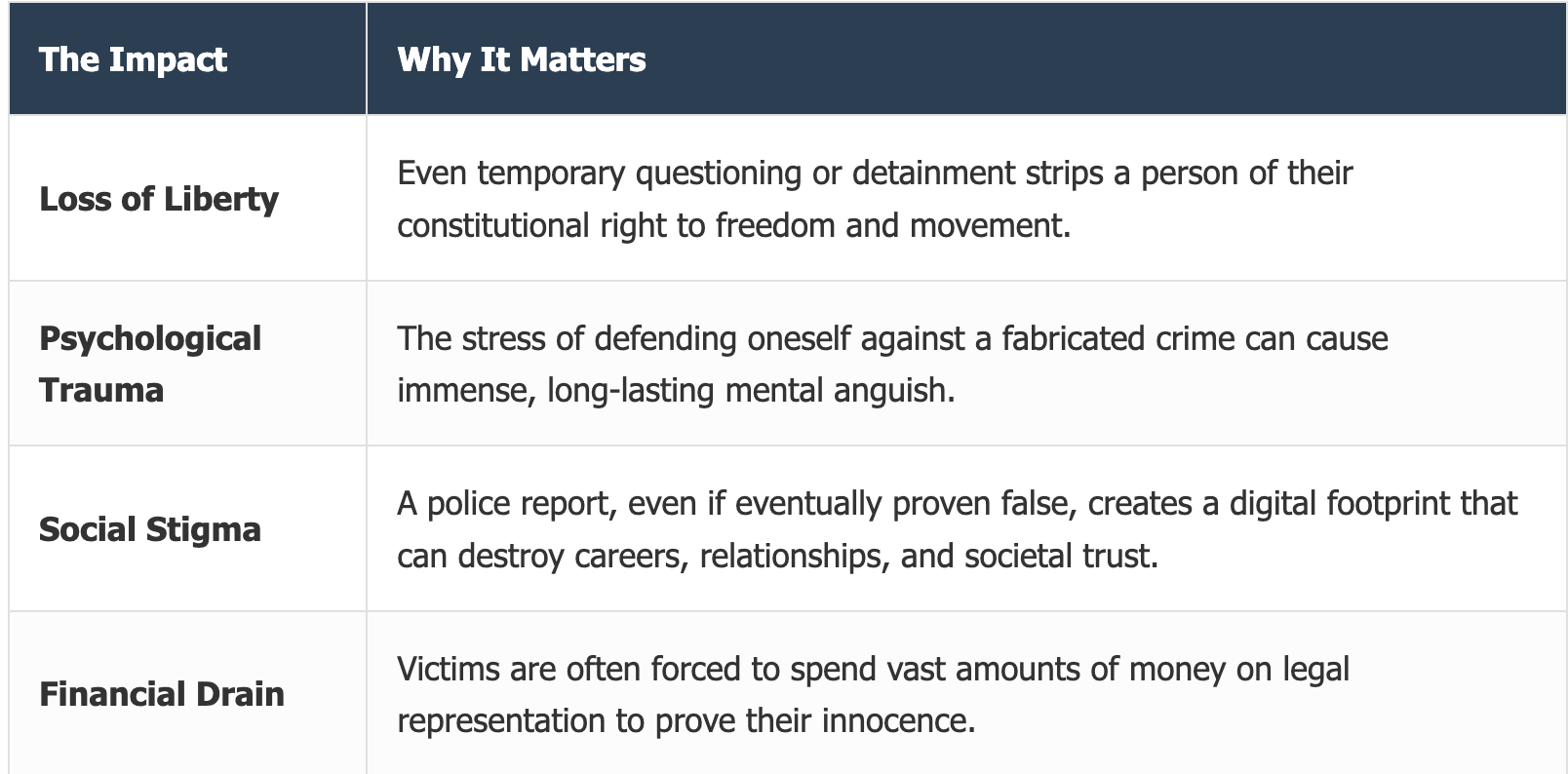
The Human Cost: Why the Law Protects Your Freedom
The law explicitly forbids baseless reporting because being forced into the criminal justice system is a severe deprivation of human rights.
What to Do If You Are Being Threatened
If you are currently facing this situation, remember that the law is on your side when you are innocent.
- Document Everything: Save all WhatsApp chats, emails, social media DMs, and voice recordings. Do not delete the threats.
- Do Not Yield to Extortion: Giving in to blackmail usually validates the extortionist's power and leads to further demands.
- Seek Legal Counsel: Consult with an advocate. If the threats are made electronically, your accuser may also be violating the UU ITE (Electronic Information and Transactions Law), which carries heavy penalties for cyber-intimidation and digital blackmail.
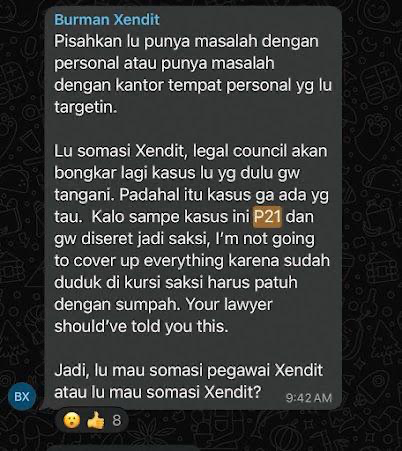
Example of The Abbusers

#LegalRights #IndonesiaLaw #CriminalCode #UU1Tahun2023 #DigitalExtortion #LegalProtection #HumanRights #LawAndJustice