
When a Licensed Lawyer Becomes the Threat, Study Case of Machrio Achmad Nurhatta, Machi Achmad and Partners
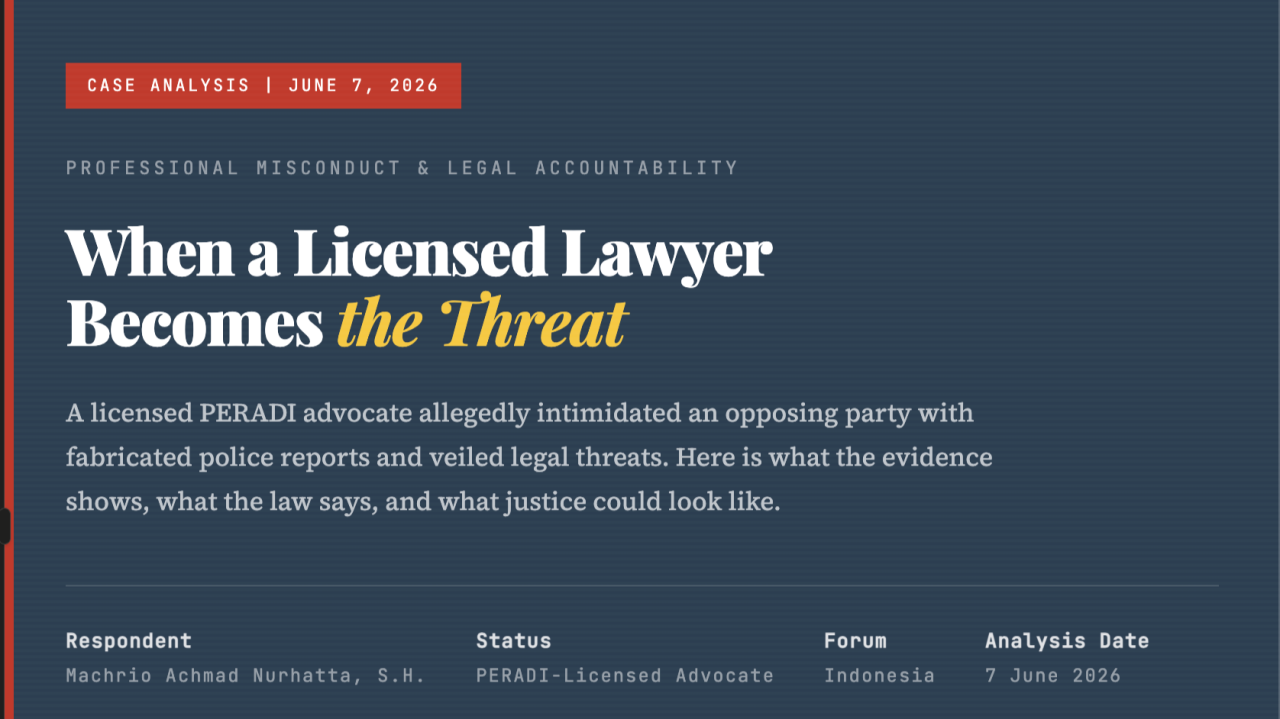
A licensed PERADI advocate allegedly intimidated an opposing party with fabricated police reports and veiled legal threats. Here is what the evidence shows, what the law says, and what justice could look like.
Lawyers are supposed to be officers of the court. What happens when one allegedly uses the threat of the law itself as a weapon against the person they oppose?
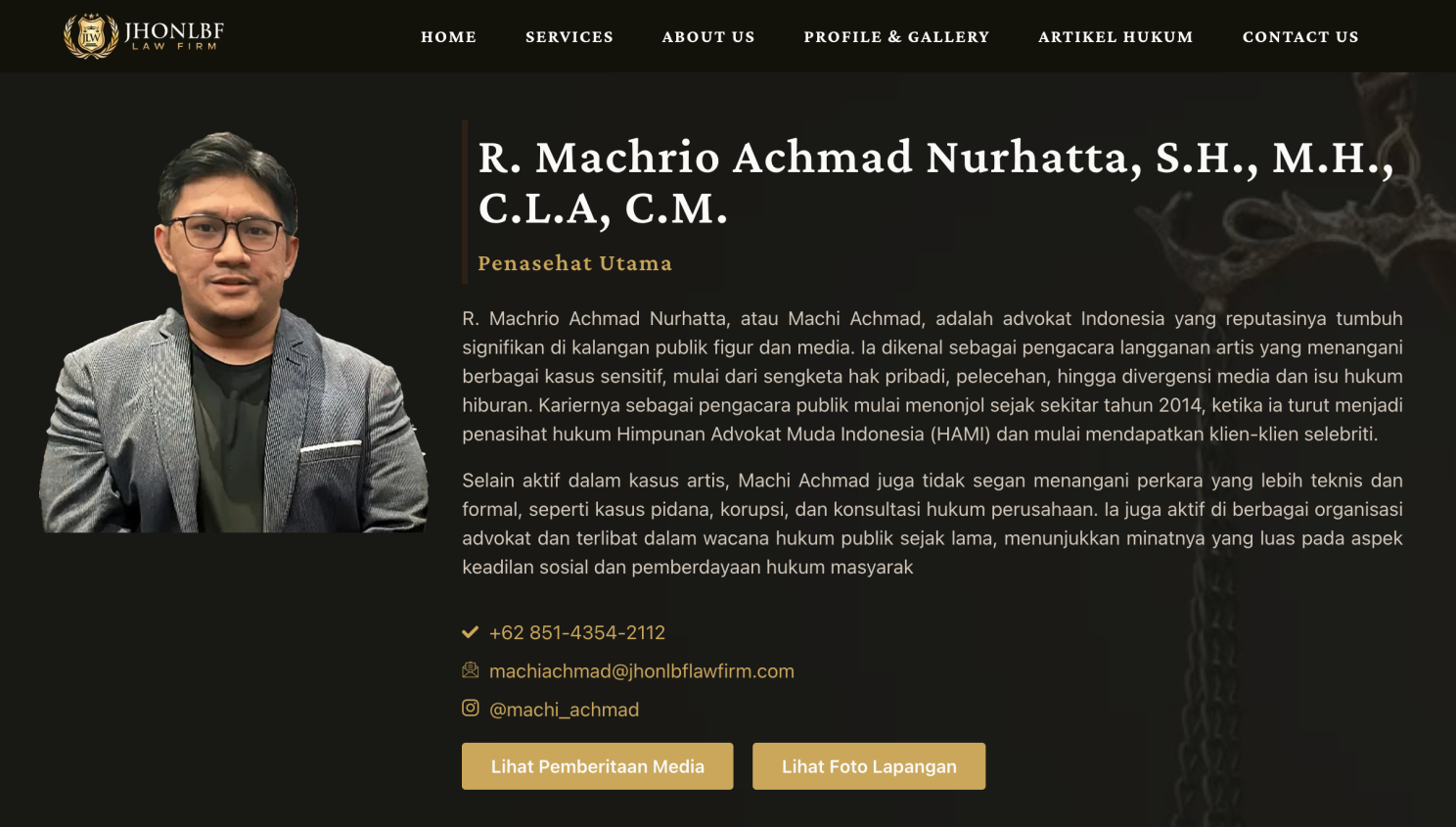
This article documents and analyzes a case of alleged professional intimidation by Machrio Achmad Nurhatta, S.H., a licensed PERADI advocate, against Rahmat Wibowo, a private citizen and opposing party in an unrelated dispute. The analysis applies a critical, devil's advocate methodology across five dimensions: evidence quality, legal framework, causal logic, quantified probabilities, and victim rights.
The goal is not to prosecute through public opinion. The goal is radical transparency about what the evidence actually shows and what legal mechanisms are available to hold licensed professionals accountable when they cross the line between legal counsel and intimidation.
What Allegedly Happened
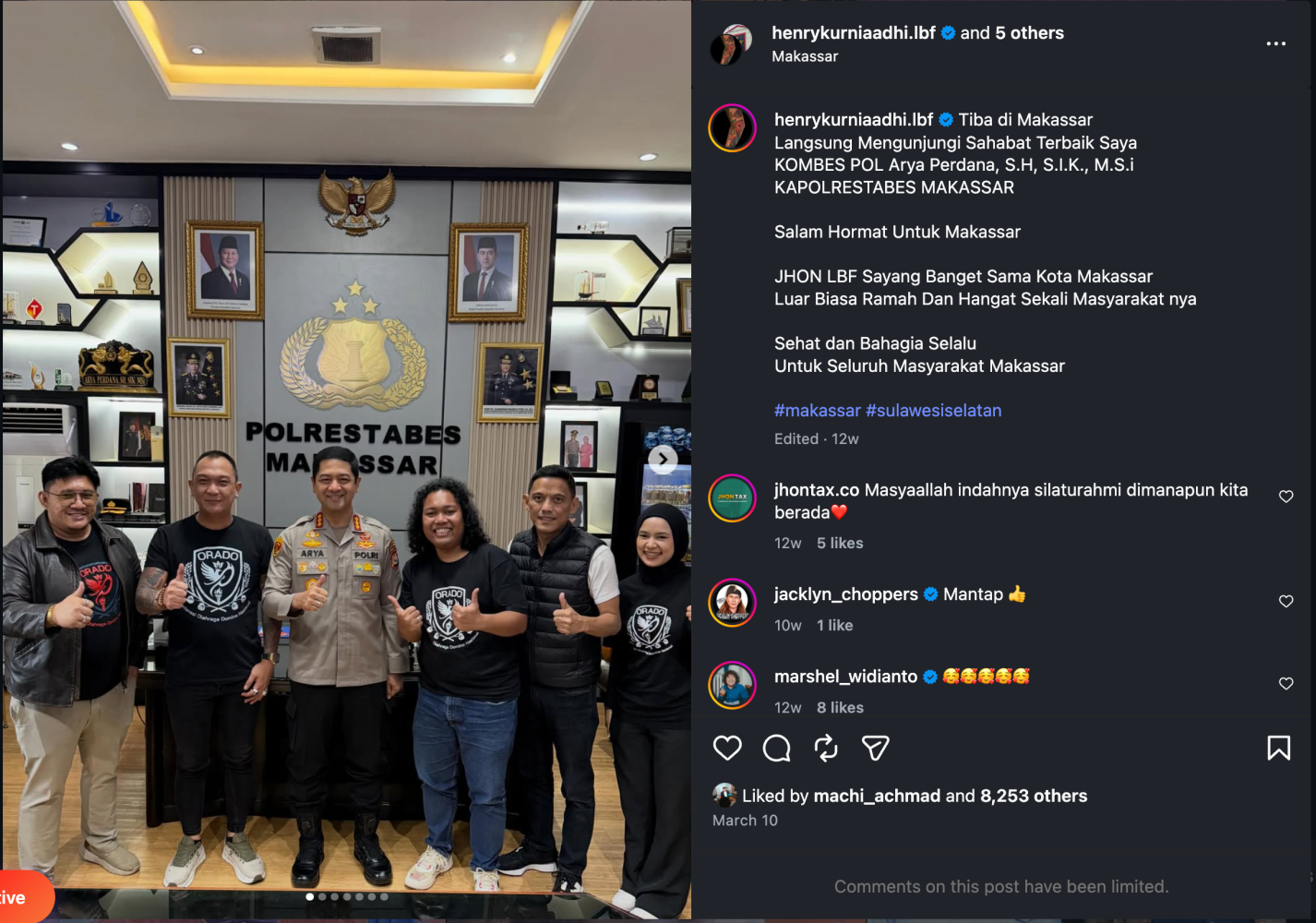
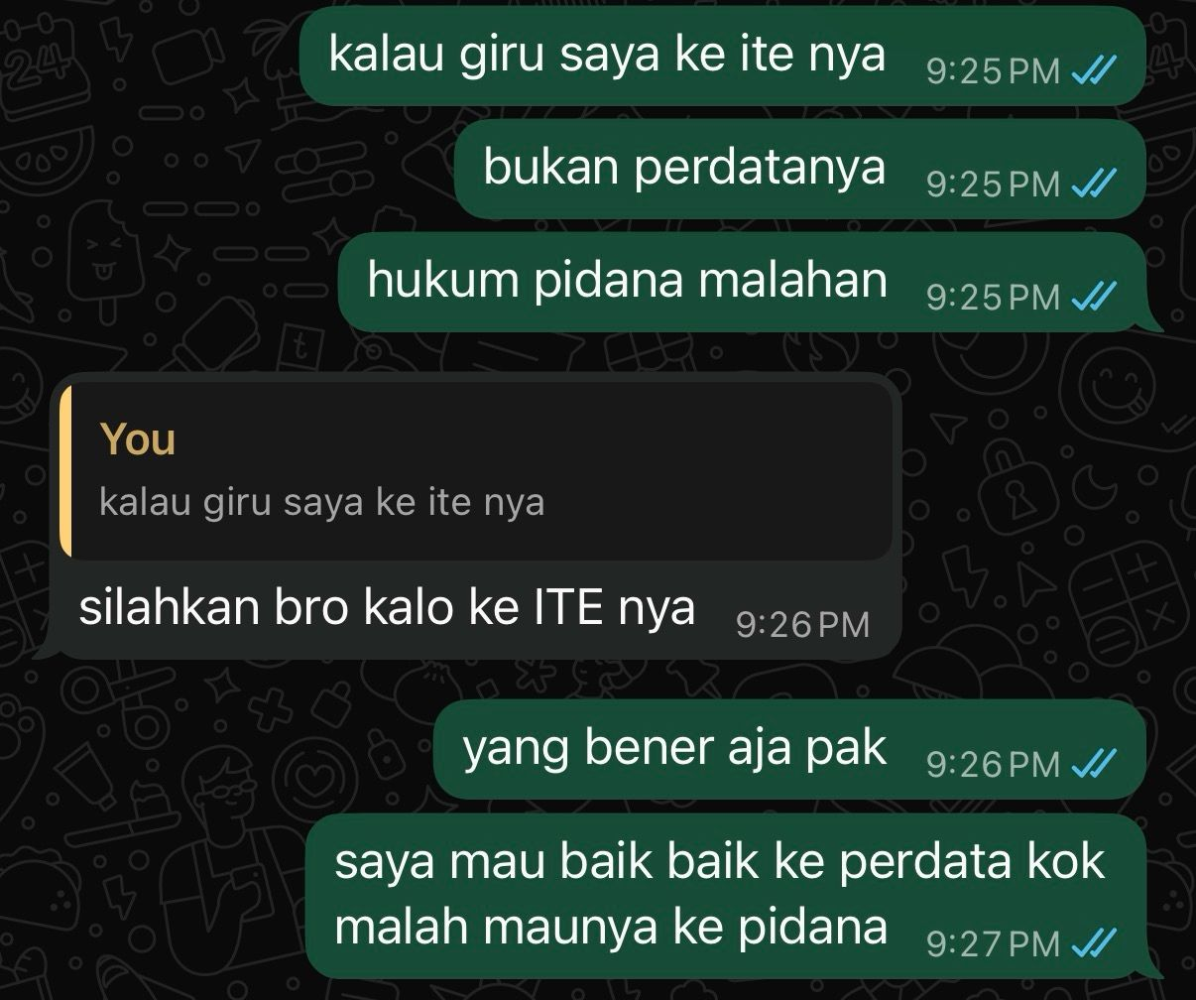
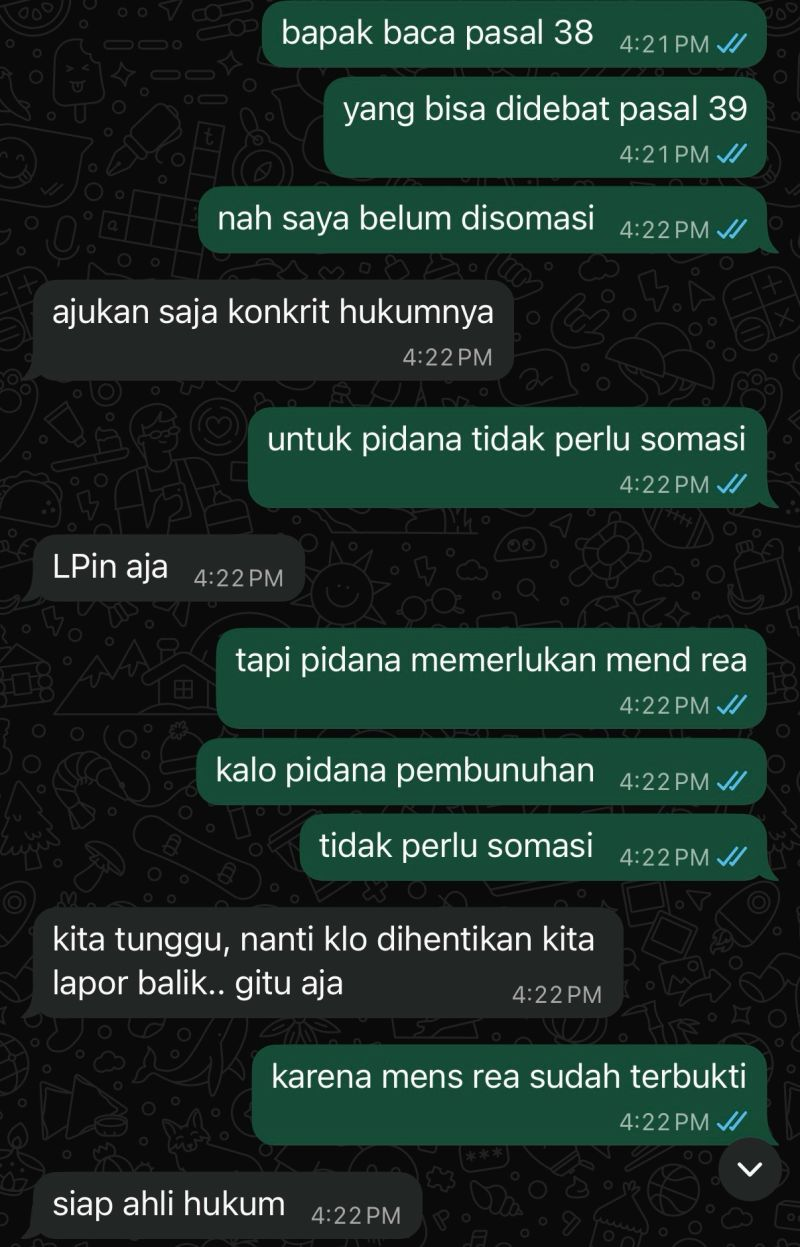
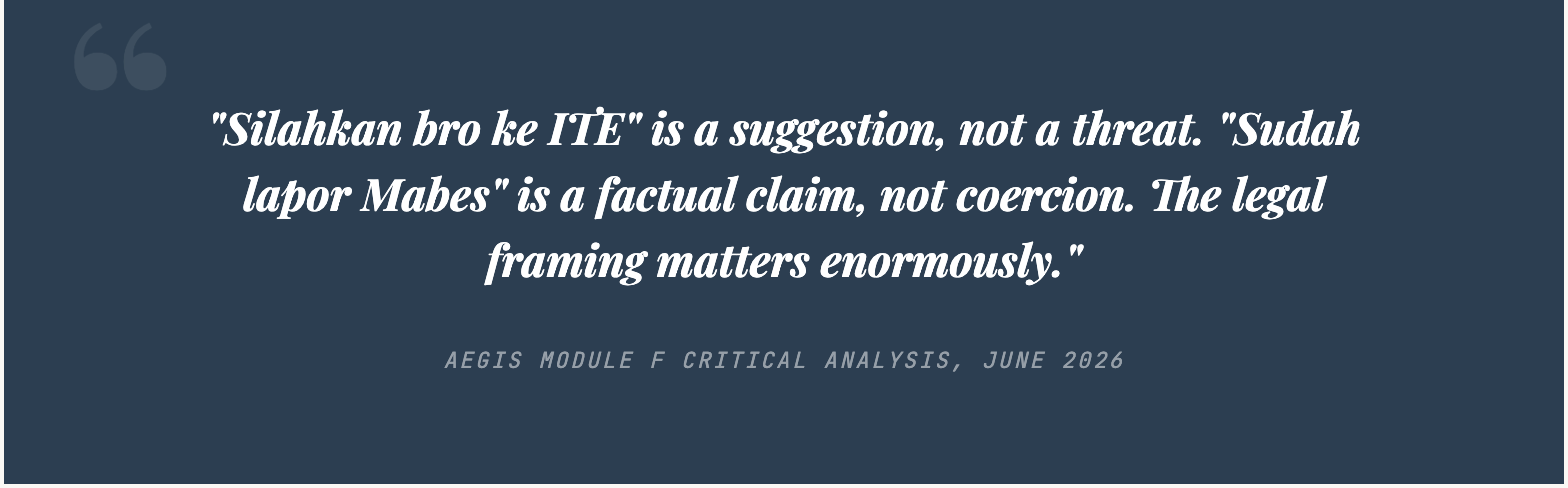
During a legal dispute, Machrio Achmad Nurhatta allegedly sent WhatsApp messages to Rahmat Wibowo containing two specific claims: that Rahmat should "go ahead and try the ITE Law" (roughly translated), and that Machrio had "already reported to National Police Headquarters (Mabes Polri)." Both statements are alleged to have been made in bad faith, with the intent to intimidate.
How Strong Is the Evidence?
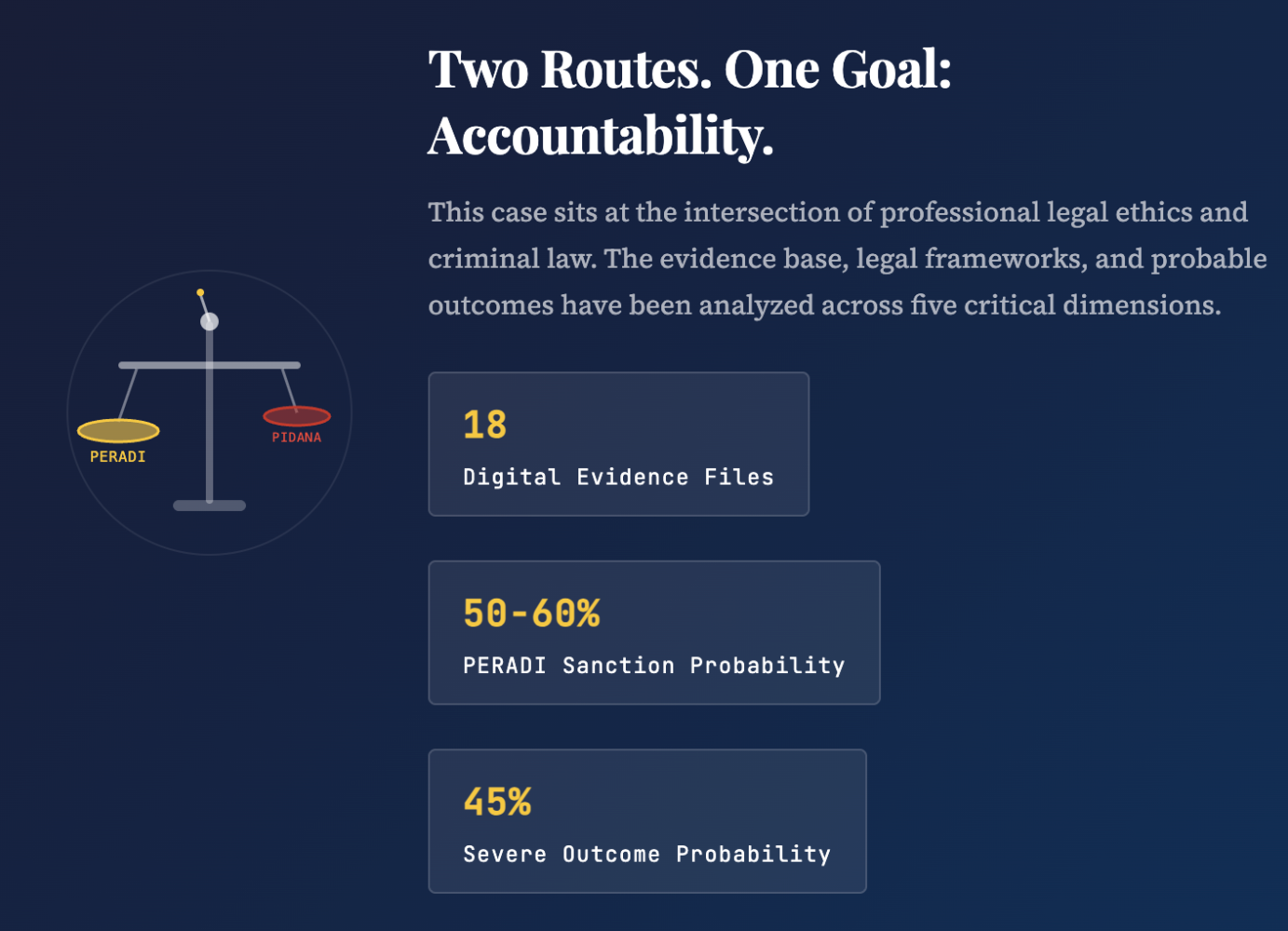
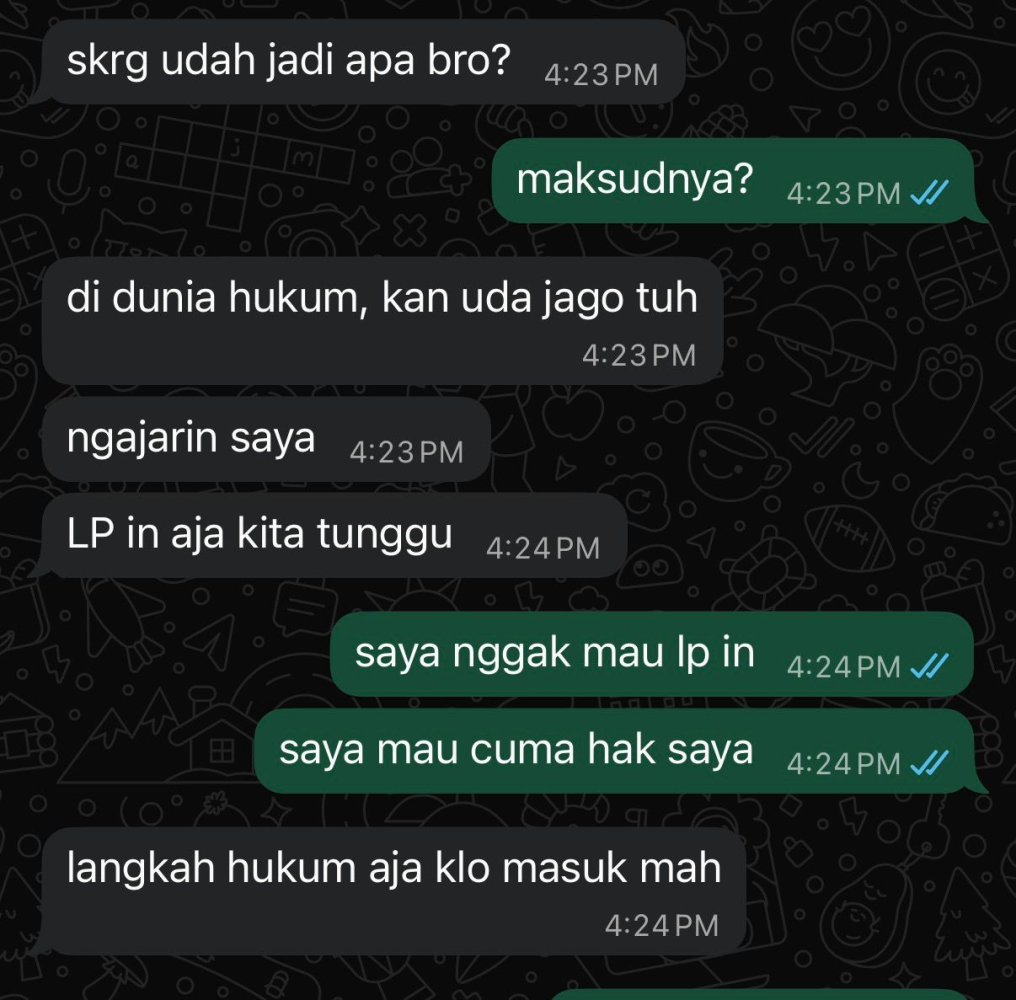
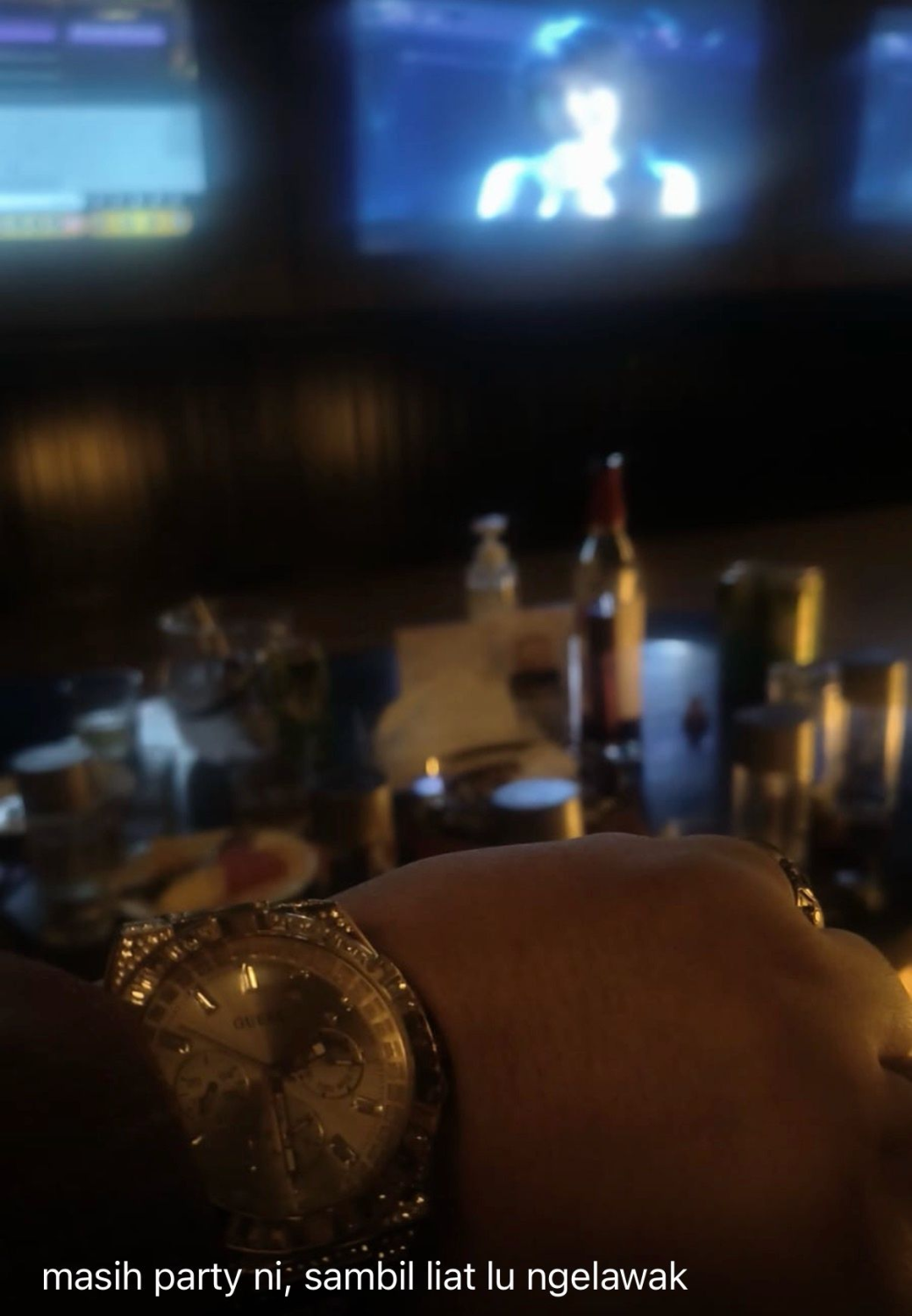
The primary evidence consists of 18 WhatsApp screenshot files. This is a meaningful starting point, but the devil is in the procedural detail. Indonesian criminal law applies strict standards to digital evidence.
The Chain of Custody Problem
Under Indonesian law, specifically UU ITE No. 1/2024 and KUHAP Article 184(1)(f), electronic evidence is admissible, but judges retain broad discretion to assess its evidentiary weight. For screenshots to survive adversarial challenge, they require file metadata (timestamp and device ID), a hash or digital signature from the original archive, and digital forensics expert testimony.
None of these are documented in the current evidence set. That does not make the screenshots useless; it means they are sufficient for a PERADI disciplinary complaint, where the evidentiary standard is civil (balance of probabilities), but potentially insufficient on their own for a criminal conviction, where the standard is beyond reasonable doubt.
The Context Gap
The screenshots capture two isolated statements. What is missing is the full conversational thread: the message that preceded Machrio's statements, whether Machrio followed up with clarification, and the exact timestamps establishing sequence. A judge evaluating these screenshots would ask whether these statements constituted genuine threats or reactive posturing in response to prior provocation.
Which Laws Apply, and Which Do Not
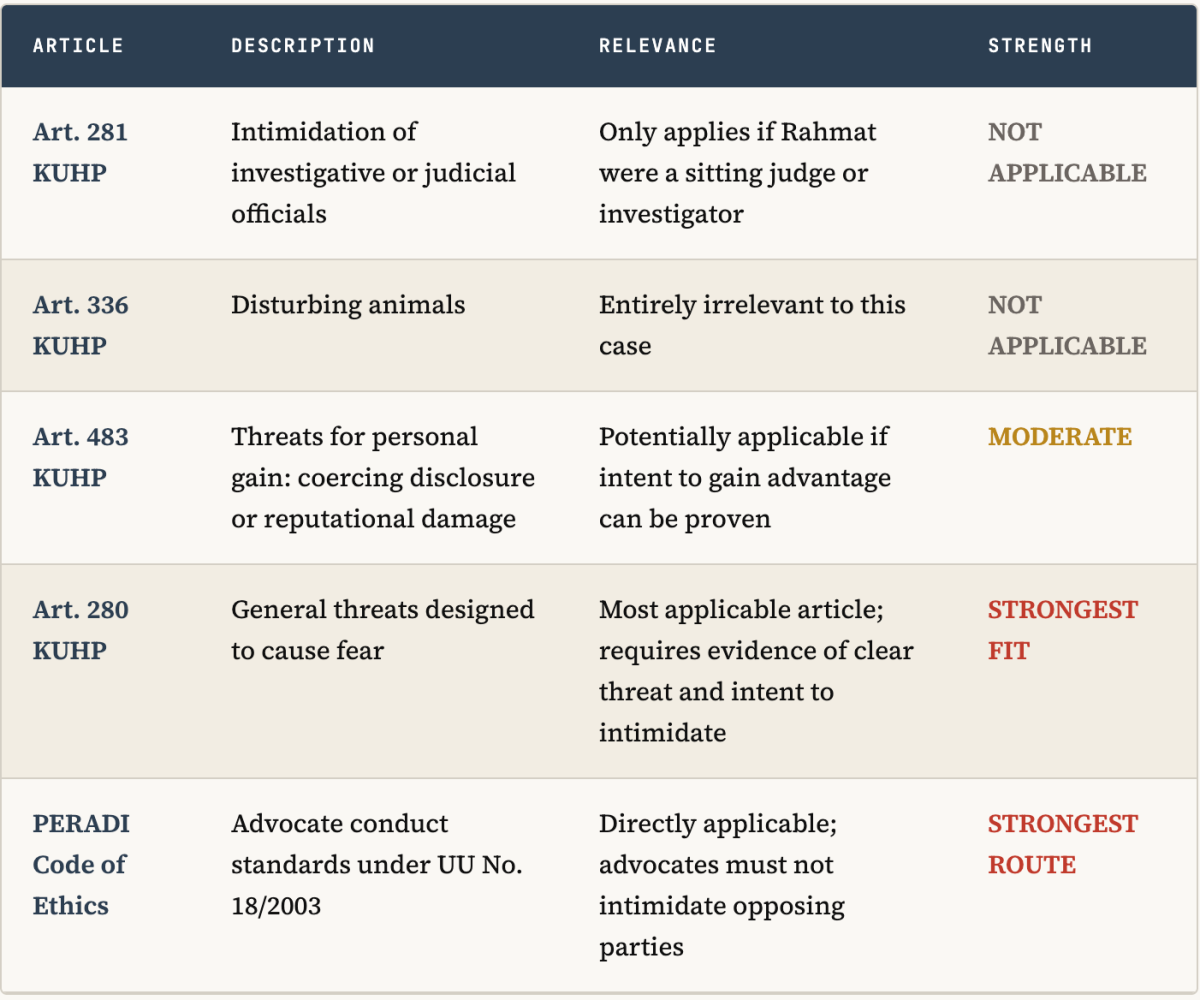
The legal analysis reveals a common mistake in initial case framing: applying the wrong criminal articles. The original analysis cited KUHP Articles 281, 336, and 483. A critical review finds the following:
PERADI Disciplinary Route vs. Criminal Route
The analysis strongly recommends pursuing the PERADI disciplinary route first, and here is why: the evidentiary standard is lower (civil, not criminal), the sanction (license suspension or revocation) directly addresses the power imbalance, and a PERADI ruling of misconduct would strengthen any subsequent criminal or civil action.
Pursuing criminal charges alone is the riskier path. Without certified digital forensics, the screenshots may be admissible but unconvincing. The criminal route should be held in reserve, informed by what PERADI finds, and pursued simultaneously with a civil claim for damages.
Does the Harm Connect to the Conduct?
A valid legal claim requires more than proving that something wrong happened. It requires proving that the harm suffered by Rahmat Wibowo was caused by Machrio's conduct specifically. The analysis identifies three weak links in the causal chain that need to be addressed before any proceeding.
1. Mental Distress Causation
The document asserts that Rahmat experienced anxiety and sleep disruption as a result of the intimidation. But no psychological evaluation or clinical documentation is cited. Expert testimony from a licensed psychologist would be needed to establish that the mental health impact was caused by Machrio's messages rather than by other concurrent stressors.
2. Financial Loss Quantification
A damages claim of Rp 100 million is mentioned but is unsupported by concrete financial records. What revenue was lost? During what period? What is the baseline against which loss is measured? These figures need to be built from actual financial data, not estimates.
3. Confounding Sources of Stress
Rahmat was simultaneously navigating multiple legal and professional disputes during this period. Isolating the causal contribution of Machrio's alleged intimidation from other ongoing stressors will be a challenge the defense will exploit. Corroborating the specific, datable impact of these messages is important.
Probability Distribution of Outcomes
Based on the evidence base, applicable legal frameworks, and precedent in comparable Indonesian cases, the following probability distribution has been modeled for this case.
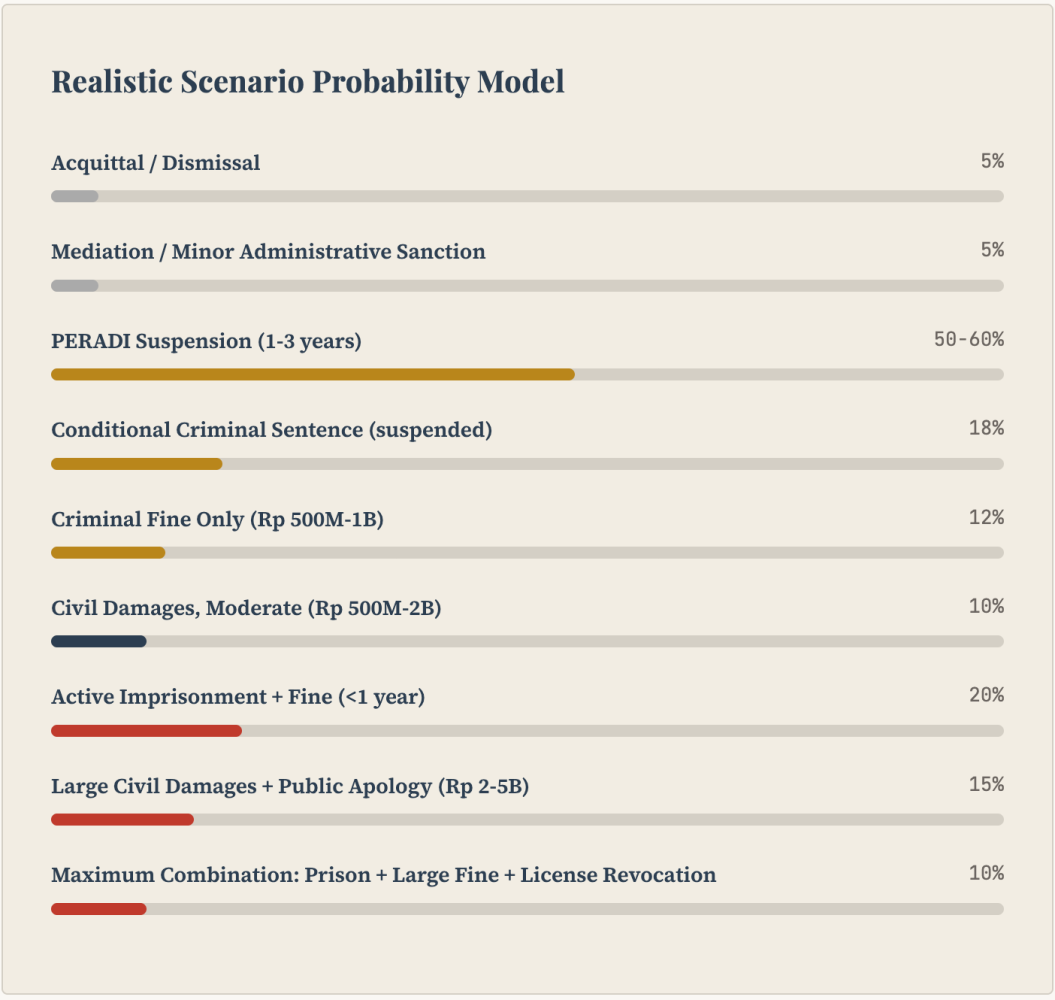
The PERADI disciplinary route carries the highest individual probability of success (50-60%) and should be activated immediately. The combined probability of a severe outcome, meaning active criminal sentence, large damages award, or license revocation, is approximately 45%, which is significant.
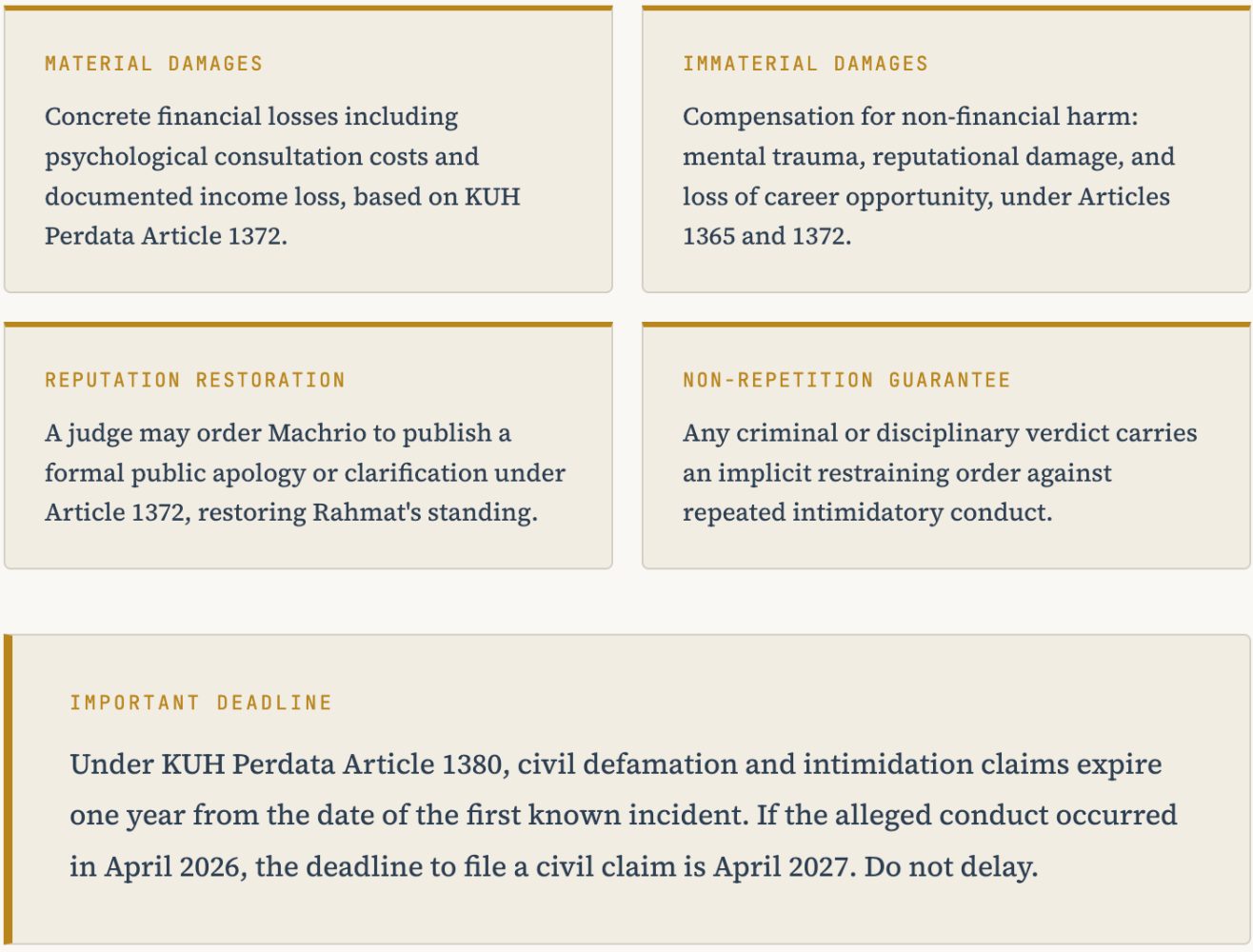
What Rahmat Wibowo Is Legally Entitled To Pursue
The Bigger Picture: Advocate Ethics in Indonesia
This is not just one case. It is a test of whether the PERADI disciplinary system and the Indonesian criminal justice system are actually capable of holding licensed legal professionals accountable when they use their position to intimidate private citizens.
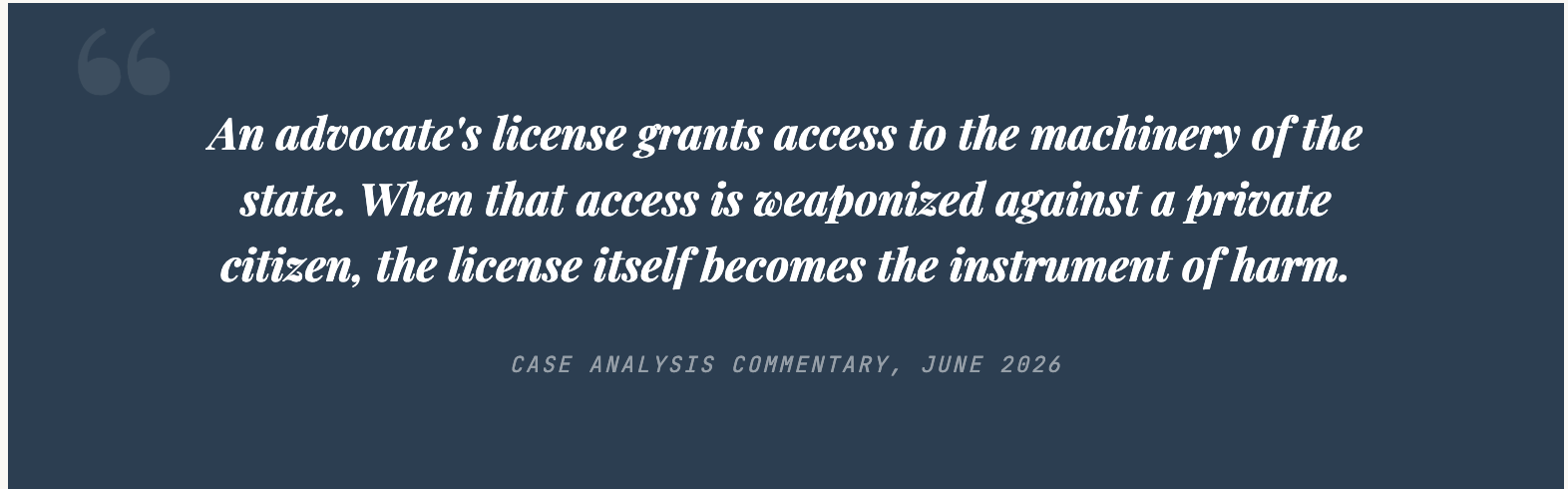
An advocate's license is a public trust. It grants access to the machinery of the state, the courts, the police, and the force of legal threat. When that access is allegedly used to manufacture intimidation rather than pursue legitimate legal remedies, it corrupts not just one dispute, but the public's faith in the entire legal profession.
The lesson for the legal community is simple: professional status is not a shield. It is a standard. A licensed advocate is held to a higher standard of conduct, not a lower one. The existence of a PERADI license should deter misconduct, not enable it.
Recommended Next Steps
Based on the analysis, the strategic path forward has three parallel tracks:
Track 1: PERADI Disciplinary Complaint. File immediately with the PERADI Ethics Commission. The evidentiary standard is civil, the screenshots are sufficient to open a proceeding, and a PERADI ruling of misconduct becomes an anchor for all downstream claims.
Track 2: Digital Forensics. Retain a certified digital forensics expert to formally certify the WhatsApp screenshots, extract metadata, establish timestamps, and produce a forensic report that meets KUHAP standards. This transforms the evidence from persuasive to legally compelling.
Track 3: Civil and Criminal Filings. Prepare both a civil claim for material and immaterial damages and a criminal report under KUHP Articles 280 and 483. The criminal report should be filed at Polda level, not Mabes, consistent with standard procedures. Do not file at Mabes unless escalation criteria are met.
Disclaimer: This article is based on an independent legal case analysis using publicly available Indonesian legal frameworks (UU No. 18/2003, UU ITE No. 1/2024, KUHP 2023, KUH Perdata, KUHAP). It is educational and analytical in nature, not formal legal advice. Any legal action should be taken in consultation with a licensed PERADI advocate with full knowledge of the complete evidence set and local court precedent. Probabilities are preliminary estimates and may shift materially based on additional evidence, PERADI proceedings, and investigative outcomes.
#IndonesiaLaw #PERADI #AdvocateEthics #LegalAccountability #KUHP2023 #UUITENo12024 #HukumIndonesia #ProfessionalMisconduct #LegalEthics #DigitalEvidence #RuleOfLaw #JusticeForAll #WorkplaceJustice #Infraloka #RahmatWibowo #Transparency