
Books Don't Lie, Ego Does: The Book of Suryadiputra Liawatimena — A Trilingual Reasoning Audit

Analyze the Suryadiputra Liawatimena book-chat record in Hanzi, Hanyu Pinyin, and English through 27 exhibits and a reasoning-fallacy audit.
This article reviews the complete image set supplied in temp/Book Of Suryadiputra Liawatimena. It examines how books, credentials, religion, legacy, and failure were used as arguments. It does not decide anyone's character, faith, or legal rights.
Editorial scope / 编辑范围 / Biānjí fànwéi
中文(汉字)
这二十七张图片记录了一段从书籍延伸到天堂、遗产、罪、神圣之光以及法律行动的私人聊天。资料把对话与苏里亚迪普特拉·利亚瓦蒂梅纳联系起来,但聊天截图只显示截图者保存的联系人名称“PhD Corrupt Korika”。这个名称是截图者的标签,不是独立身份验证。本文因此分析屏幕上可见的论证,而不把账号归属、动机或事实真伪视为已经证明。
Hànyǔ Pīnyīn
Zhè èrshíqī zhāng túpiàn jìlùle yí duàn cóng shūjí yánshēn dào tiāntáng, yíchǎn, zuì, shénshèng zhī guāng yǐjí fǎlǜ xíngdòng de sīrén liáotiān. Zīliào bǎ duìhuà yǔ Sūlǐyàdípǔtèlā Lìyàwǎdìméinà liánxì qǐlái, dàn liáotiān jiétú zhǐ xiǎnshì jiétúzhě bǎocún de liánxìrén míngchēng “PhD Corrupt Korika”. Zhège míngchēng shì jiétúzhě de biāoqiān, bú shì dúlì shēnfèn yànzhèng. Běnwén yīncǐ fēnxī píngmù shàng kějiàn de lùnzhèng, ér bù bǎ zhànghào guīshǔ, dòngjī huò shìshí zhēnwěi shìwéi yǐjīng zhèngmíng.
English translation
These 27 images document a private chat that moves from books to heaven, legacy, sin, divine light, and legal action. The source folder associates the exchange with Suryadiputra Liawatimena, but the screenshots show only the capturer's saved contact label, “PhD Corrupt Korika.” That label is the capturer's description, not independent identity verification. This article therefore analyzes the visible arguments without treating account ownership, motive, or factual accuracy as proven.
What the exchange is really about / 对话的真正主题 / Duìhuà de zhēnzhèng zhǔtí
中文(汉字)
表面上,这是一场关于读书的争论。实际上,双方在争论三个不同问题:人生是否需要一个终极目的;书籍和学历能否证明理解力;失败的法律行动是学习过程还是徒劳重复。由于这些问题没有被分开,谈话不断从一个标准跳到另一个标准。一本书被展示出来,对方就追问死后去哪里;一个宗教隐喻出现,对方就转向法律通知;失败被称为学习,对方就转向警方是否会厌倦。这种不断移动的评价标准,是整段对话失去焦点的主要原因。
Hànyǔ Pīnyīn
Biǎomiàn shàng, zhè shì yì chǎng guānyú dúshū de zhēnglùn. Shíjì shàng, shuāngfāng zài zhēnglùn sān gè bùtóng wèntí: rénshēng shìfǒu xūyào yí gè zhōngjí mùdì; shūjí hé xuélì néngfǒu zhèngmíng lǐjiělì; shībài de fǎlǜ xíngdòng shì xuéxí guòchéng háishì túláo chóngfù. Yóuyú zhèxiē wèntí méiyǒu bèi fēnkāi, tánhuà bùduàn cóng yí gè biāozhǔn tiào dào lìng yí gè biāozhǔn. Yì běn shū bèi zhǎnshì chūlái, duìfāng jiù zhuīwèn sǐhòu qù nǎlǐ; yí gè zōngjiào yǐnyù chūxiàn, duìfāng jiù zhuǎnxiàng fǎlǜ tōngzhī; shībài bèi chēngwéi xuéxí, duìfāng jiù zhuǎnxiàng jǐngfāng shìfǒu huì yànjuàn. Zhè zhǒng bùduàn yídòng de píngjià biāozhǔn, shì zhěng duàn duìhuà shīqù jiāodiǎn de zhǔyào yuányīn.
English translation
On the surface, this is an argument about reading. In practice, the participants debate three different questions: whether life needs an ultimate destination; whether books and degrees prove understanding; and whether failed legal actions are learning or futile repetition. Because those questions are never separated, the standard keeps moving. A book appears and the answer becomes “where do you go after death?” A religious metaphor appears and the topic shifts to legal notices. Failure is called learning and the response becomes whether police will grow tired. This moving standard is the main reason the exchange loses focus.
Reasoning patterns in the record
| Pattern | Visible example | Why it is weak |
|---|---|---|
| Appeal to authority / 诉诸权威 / sùzhū quánwēi | Book covers, academic titles, religious poetry | A source can inform a premise, but displaying its title does not prove the conclusion. |
| Credentialism / 学历主义 / xuélì zhǔyì | “PhD,” degrees, and book ownership as intellectual scorekeeping | Credentials provide context, not immunity from error. |
| Moving the goalposts / 移动标准 / yídòng biāozhǔn | Books → afterlife → legacy → divine light → legal notices | Each answer is judged by a new question before the prior claim is resolved. |
| Loaded question / 预设性问题 / yùshèxìng wèntí | “After leaving this world, where?” | The question embeds a disputed metaphysical premise. |
| False dilemma / 假两难 / jiǎ liǎngnán | Heaven or no meaningful destination; remembered or nobody | More possibilities exist than the two supplied choices. |
| Appeal to ridicule / 诉诸嘲讽 / sùzhū cháofěng | “A warehouse of books is useless”; title-based mockery | Dismissal does not test what the cited book actually says. |
| Tu quoque / 反唇相讥 / fǎnchún xiāngjī | “You are busy sending notices—do you seek divine light?” | An alleged inconsistency does not answer the underlying claim. |
| Unfalsifiable claim / 不可证伪主张 / bùkě zhèngwěi zhǔzhāng | Divine light arrives when one is deemed worthy | No observable condition is given that could test the statement. |
| Weak analogy / 薄弱类比 / bóruò lèibǐ | Legal-notice iteration compared with SDLC or Edison | Similarity in “trying again” does not establish similar costs, duties, or outcomes. |
| Hasty generalization / 草率概括 / cǎoshuài gàikuò | Investigators compared with lazy lecturers or people needing bribes | A broad institutional claim is inferred without representative evidence. |
Complete 27-image record and exhibit notes
All JPG files supplied in the source folder appear below. The notes identify argumentative limits; they do not declare a winner.
01 — Composite poster. “Books don't lie; ego does” is memorable but absolute. Books can contain errors, and ego is not the only reason an argument fails. The poster frames the result before the dialogue is examined.

02 — Composite sequence. The collage links programming, legacy, the afterlife, a song, and moral reward. Juxtaposition creates a theme, but it does not create a logical connection between every item.
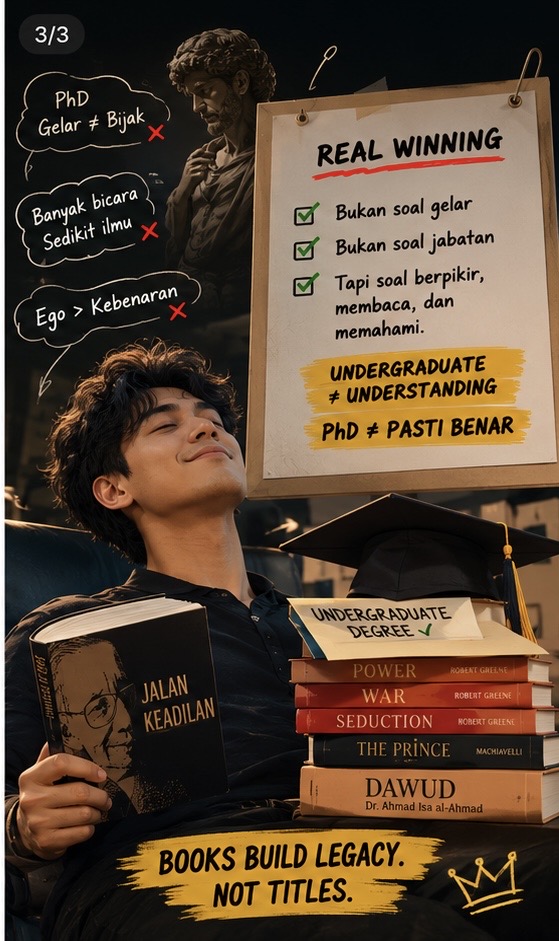
03 — “Real winning.” Thinking, reading, and understanding matter, but the image risks a false contrast: a degree and genuine understanding are not mutually exclusive.
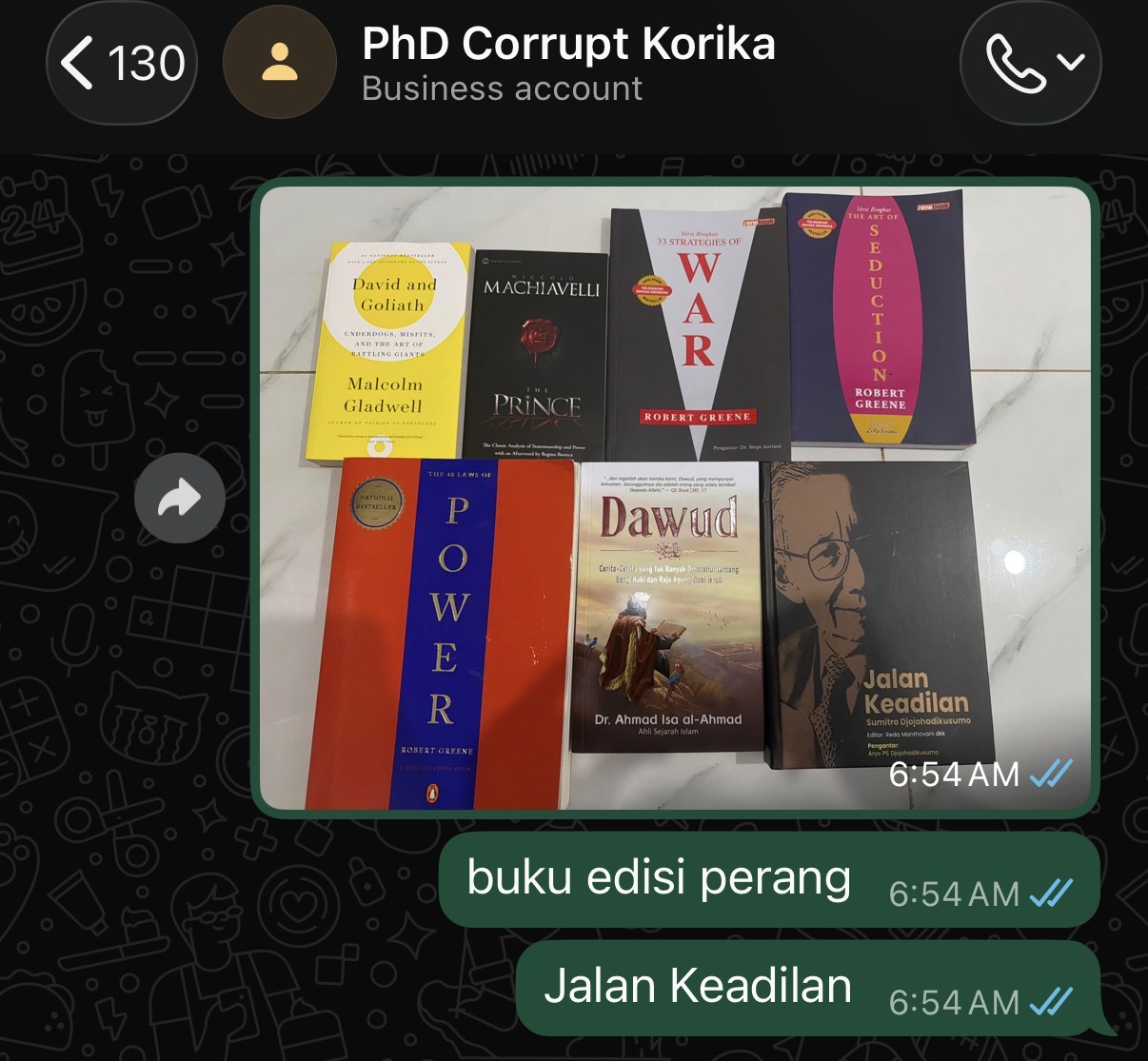
04 — IMG_0167. Posting book titles signals possible frameworks—power and justice—but no proposition from either book is yet applied. A cover is an invitation to an argument, not the argument itself.

05 — IMG_0168. The exchange moves from losing a “war” to heaven. This is equivocation: “war” may mean dispute, strategy, morality, or literal conflict, while heaven belongs to a different evaluative domain.
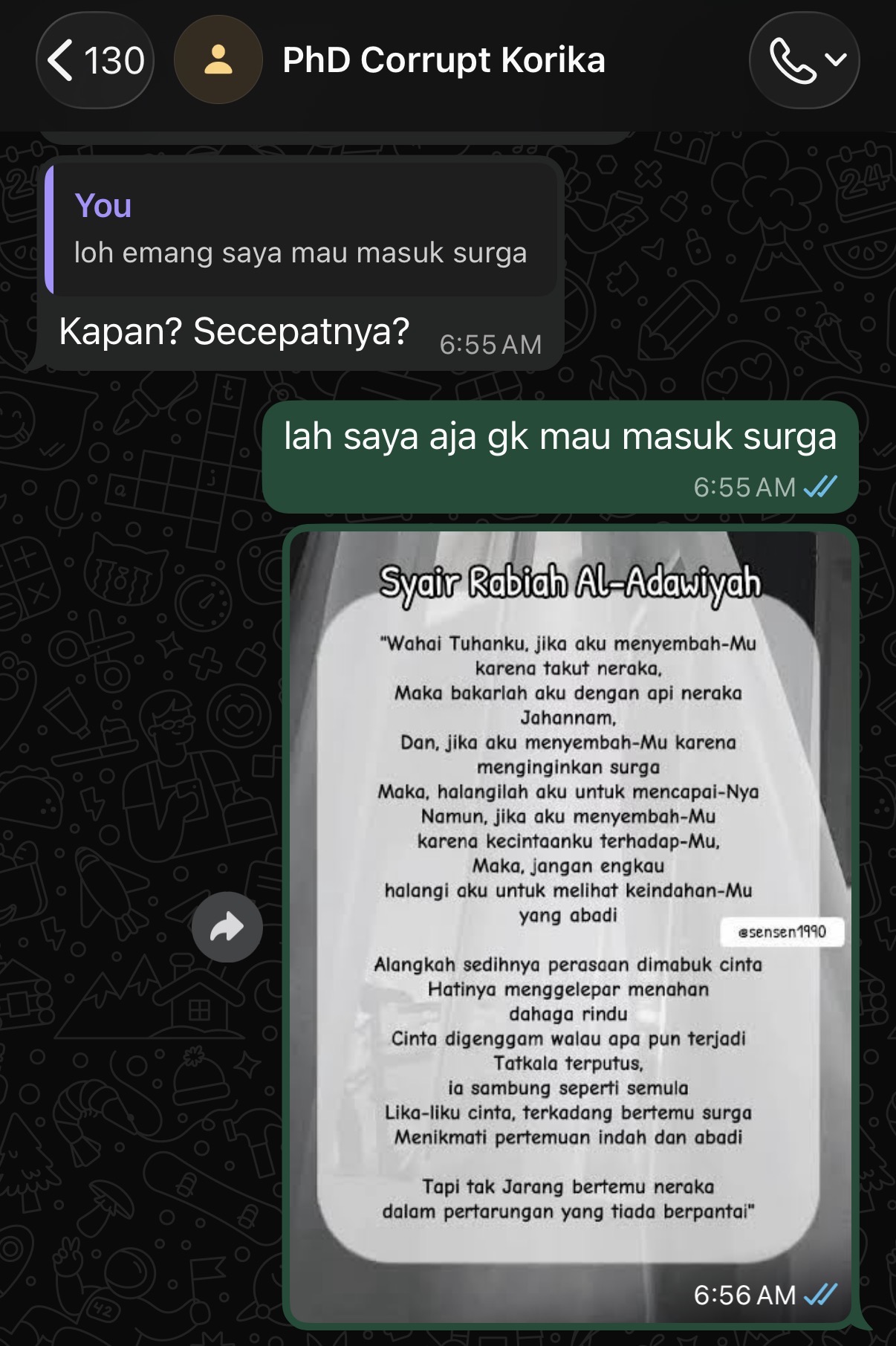
06 — IMG_0169. The quotation offers a coherent spiritual position: devotion need not be transactional. It can clarify values, but it cannot by itself prove what happens after death or settle the participants' dispute.

07 — IMG_0170. A song is expressive evidence of a viewpoint, not factual evidence for metaphysical claims. Treating art as proof would be an appeal to emotion or authority.

08 — IMG_0171. “Final purpose” shifts between destination, meaning, and legacy. The dispute cannot be resolved until those terms are defined separately.
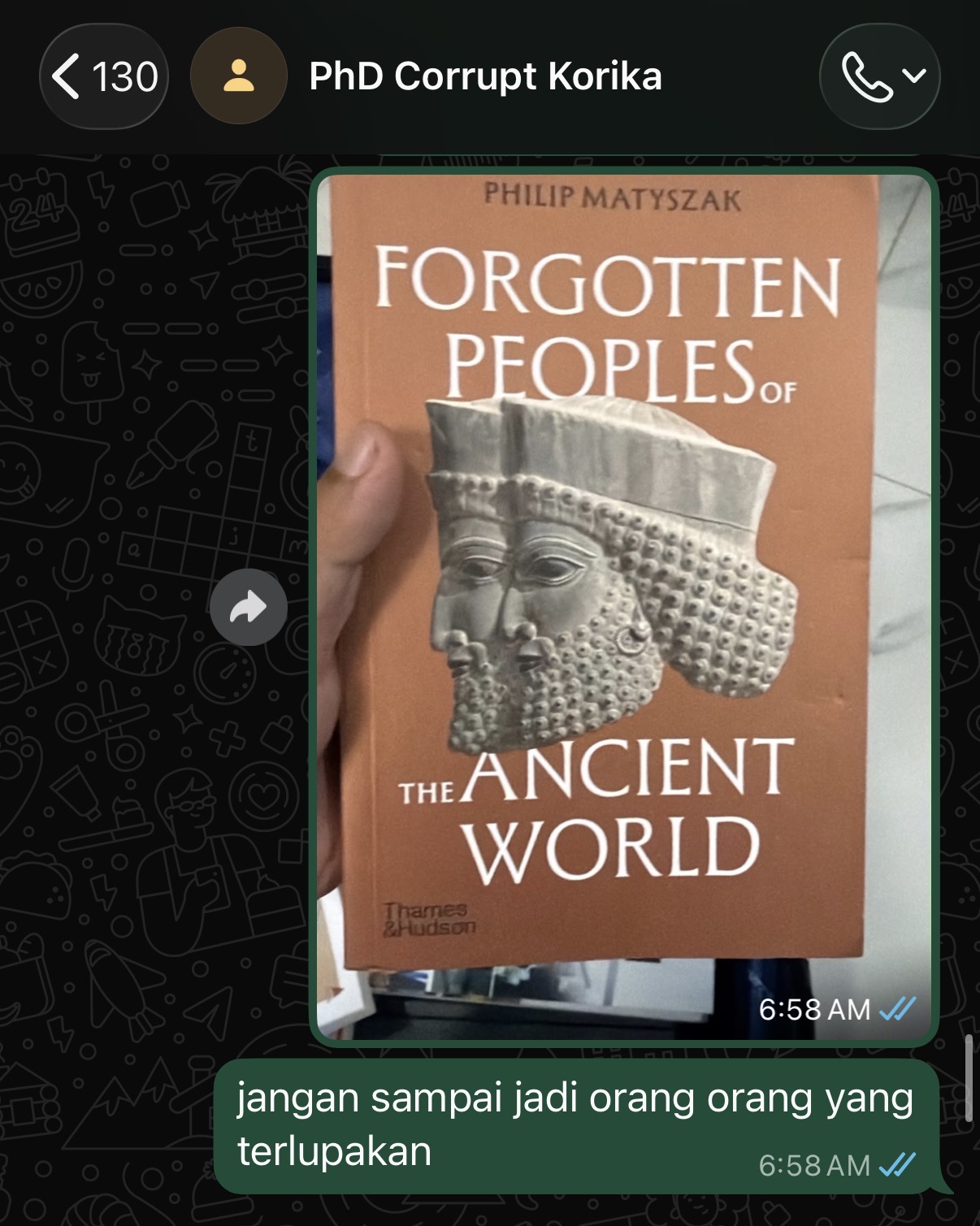
09 — IMG_0172. “Do not become one of the forgotten” appeals to fear of insignificance. Being remembered is not the same as living well, acting lawfully, or making a sound argument.

10 — IMG_0173. The question assumes that a post-mortem destination must be specified before earthly legacy has value. That is a loaded premise, not a neutral request for clarification.
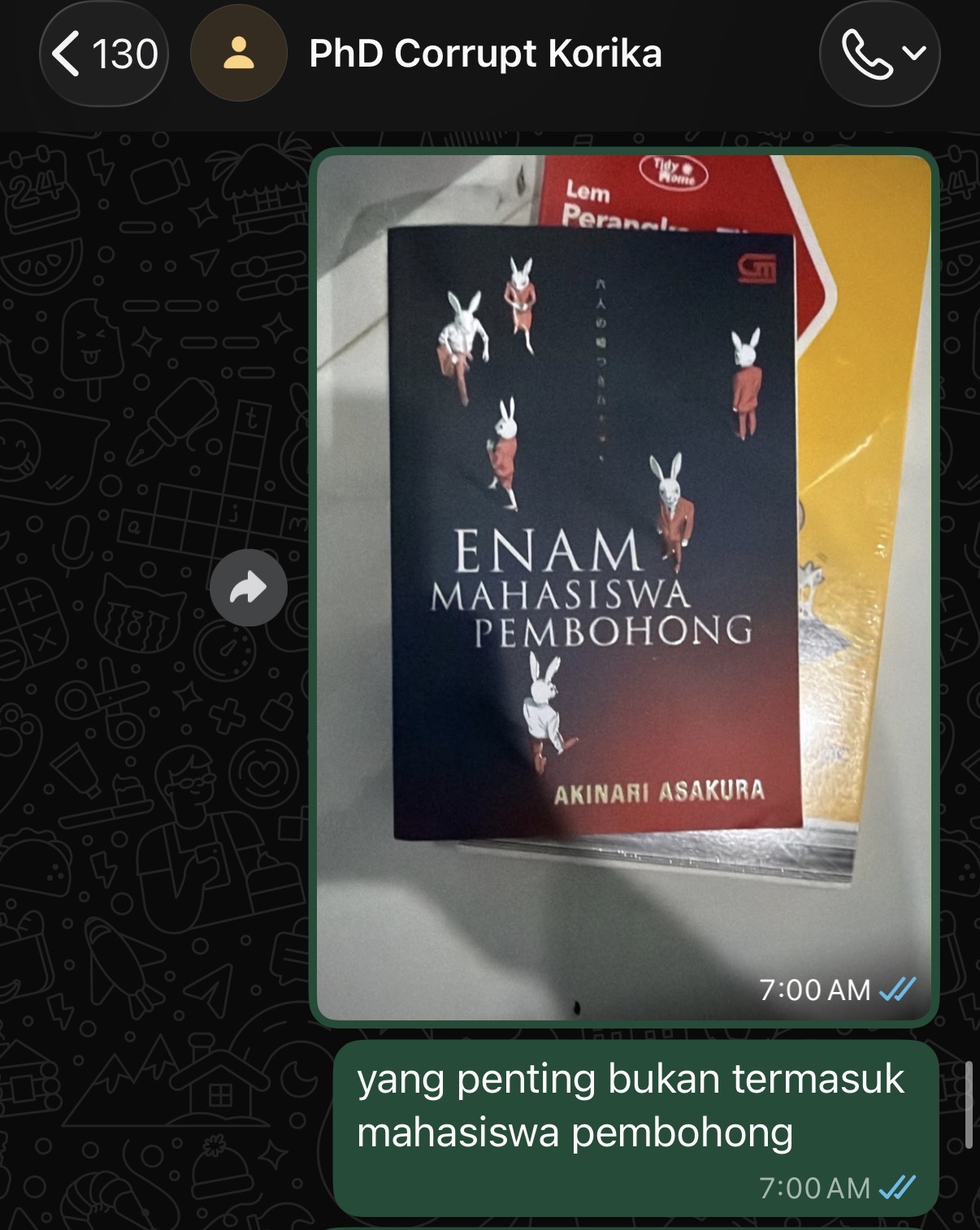
11 — IMG_0174. Introducing “lying students” personalizes the exchange without identifying a specific false statement. It risks poisoning the well through association with a provocative title.
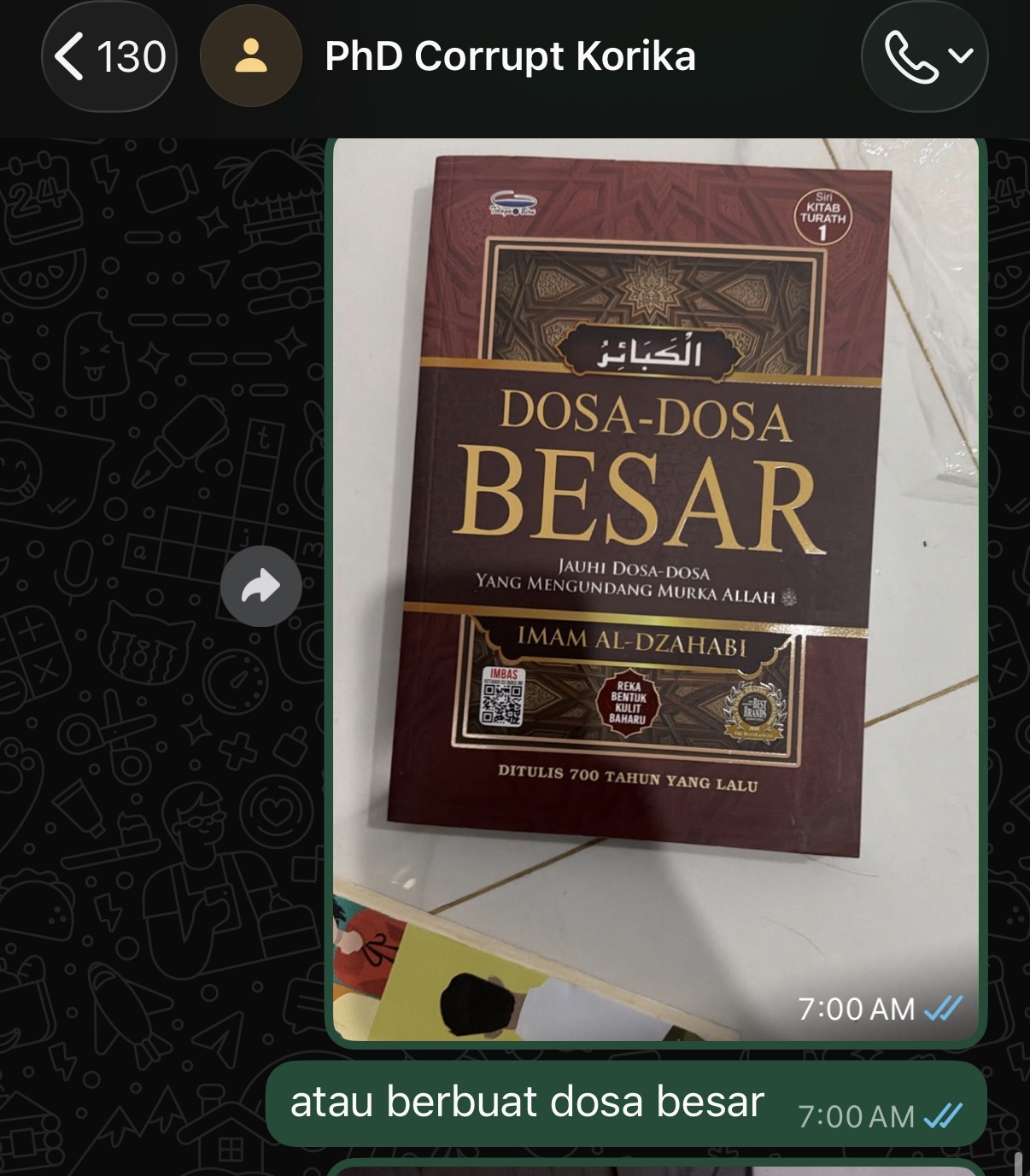
12 — IMG_0175. A religious book can define sin within a tradition, but merely showing the cover does not establish that a participant committed the acts discussed in it.

13 — IMG_0176. “Sin is sin” is an oversimplification if used to erase degrees of conduct or consequence. It may express moral seriousness, but it is not a complete classification argument.

14 — IMG_0177. The precise “7,000 years” figure needs a defined source and meaning if intended literally. Without that, it functions as rhetorical precision rather than verifiable evidence.

15 — IMG_0178. “Life is a grand journey” is a metaphor. Asking “toward where?” tests its limits, but a metaphor need not provide a literal destination to remain meaningful.

16 — IMG_0179. Wanting historical recognition and accepting criticism can coexist, but fame does not validate an argument. This is a potential appeal to legacy.
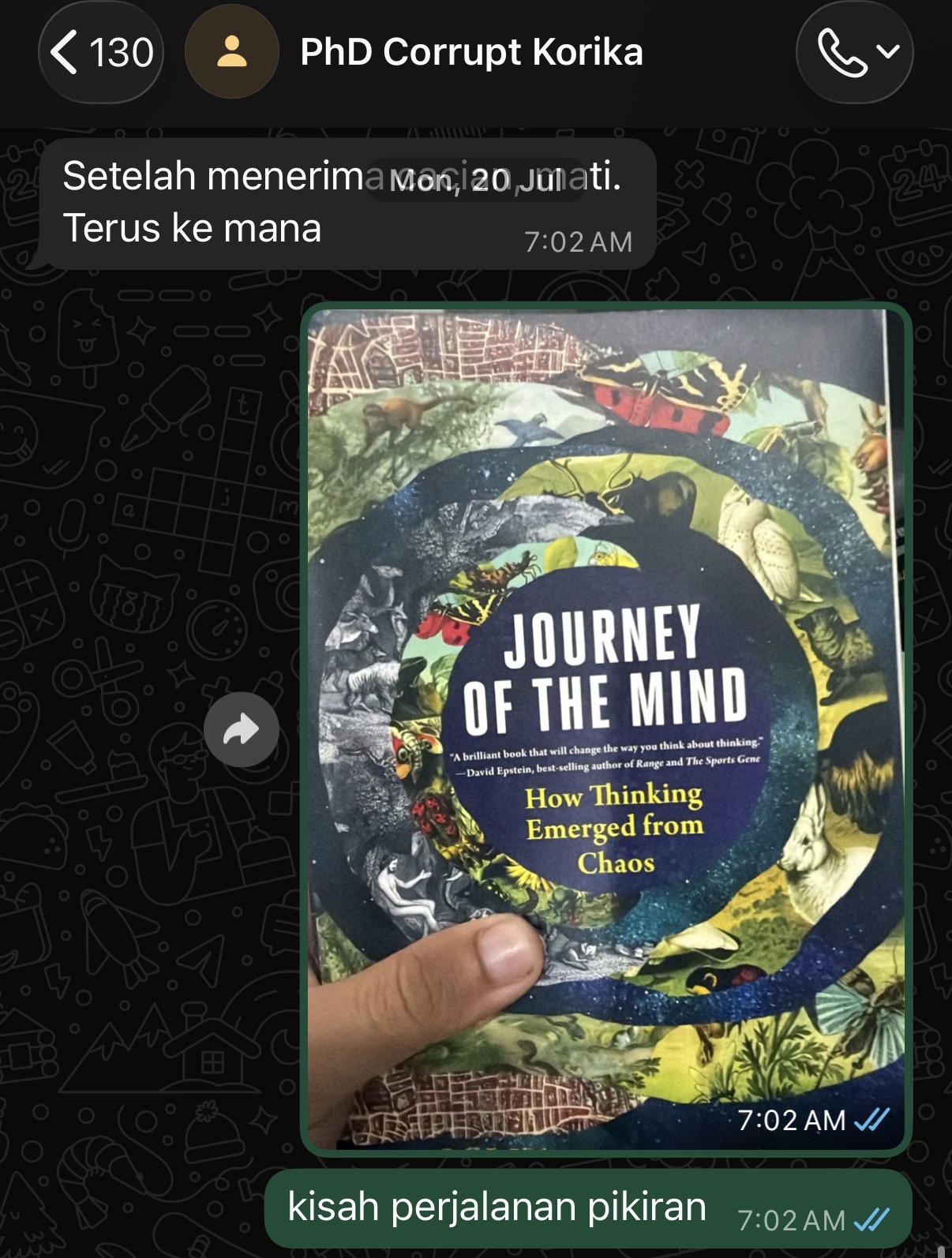
17 — IMG_0181. Repeating “then where?” creates an infinite regress unless both parties agree on what counts as a final answer. The book reference points to intellectual history but no passage is cited.
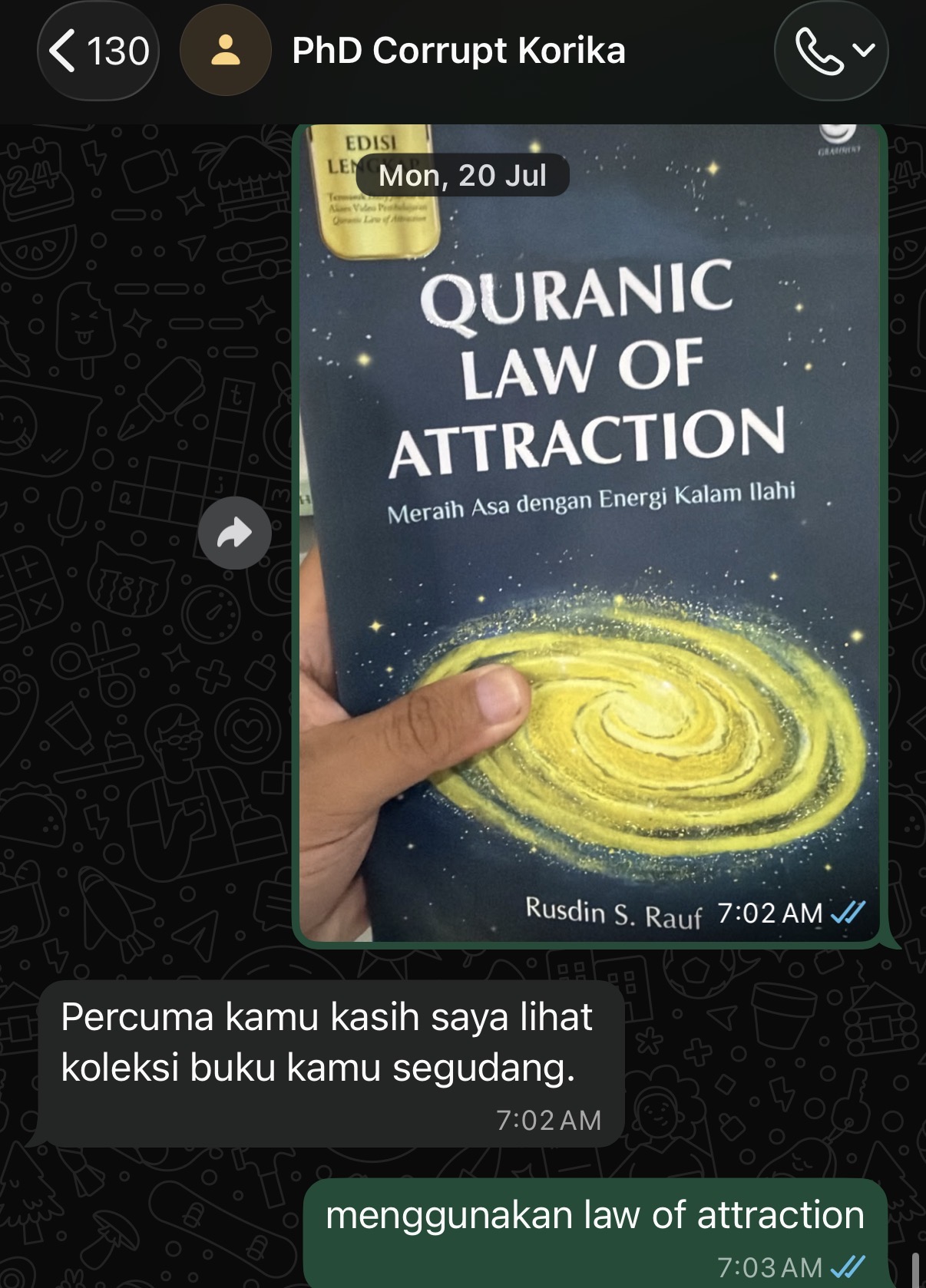
18 — IMG_0182. “A warehouse of books is useless” attacks possession rather than comprehension. “Law of attraction” is introduced without a causal mechanism or testable claim.

19 — IMG_0184. The statements describe an aspiration, not an empirical proof. “Divine light” remains undefined, allowing the standard to change whenever challenged.

20 — IMG_0185. Asking whether legal conflict leaves time for spiritual growth is a tu quoque if offered as a rebuttal. “Make your pain your healer” is advice, not evidence that a specific course of action is sound.
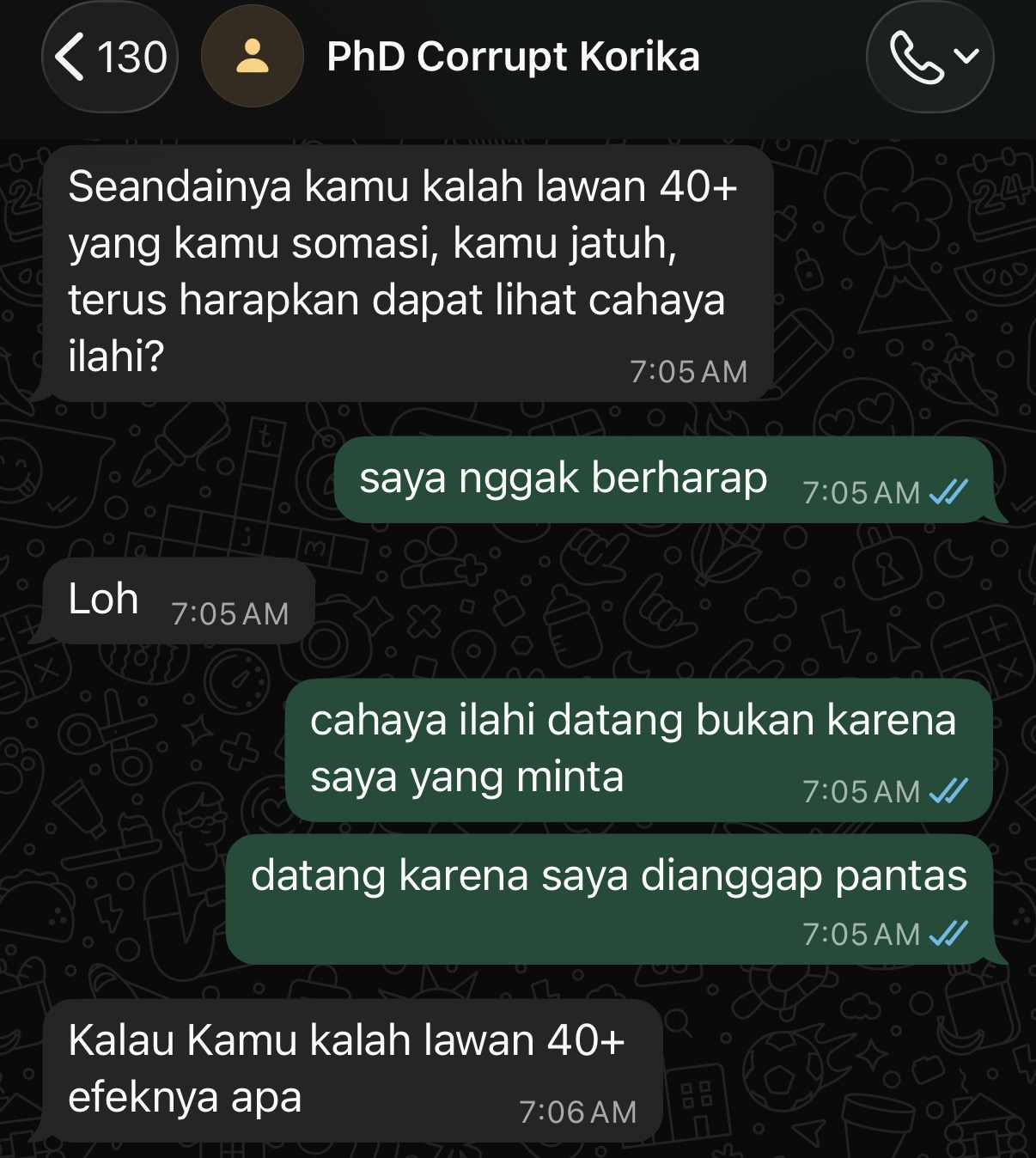
21 — IMG_0186. A hypothetical mass defeat is an appeal to consequences unless the likelihood and case-specific merits are shown. The answer that divine light comes to the “worthy” is unfalsifiable.
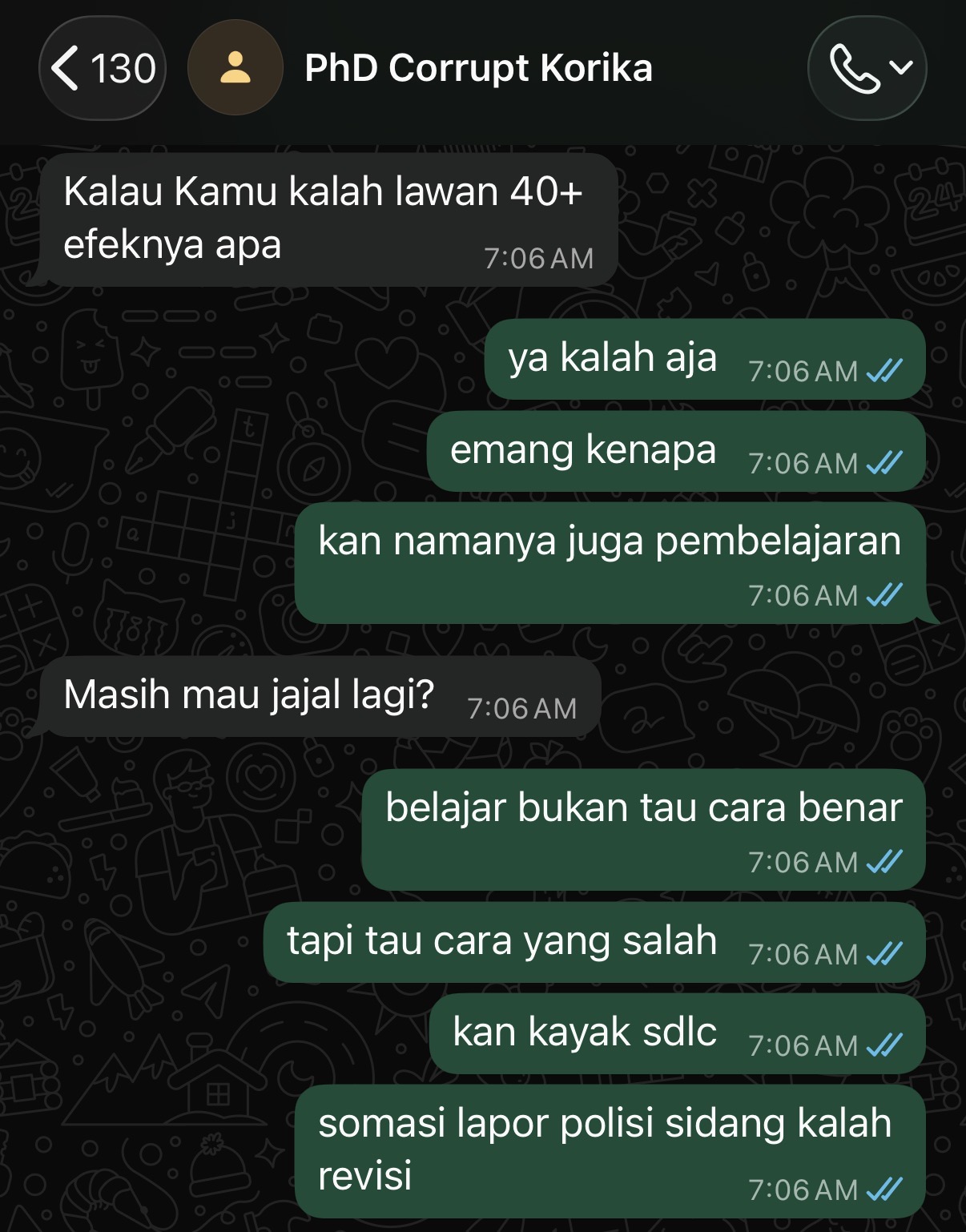
22 — IMG_0187. The SDLC analogy usefully frames iteration, but legal disputes involve other people, procedural burdens, and reputational costs. The analogy is informative only if those differences remain explicit.

23 — IMG_0188. The Edison analogy treats persistence as inherently productive. Persistence helps only when each iteration produces reliable feedback; otherwise, repetition can preserve the same error.
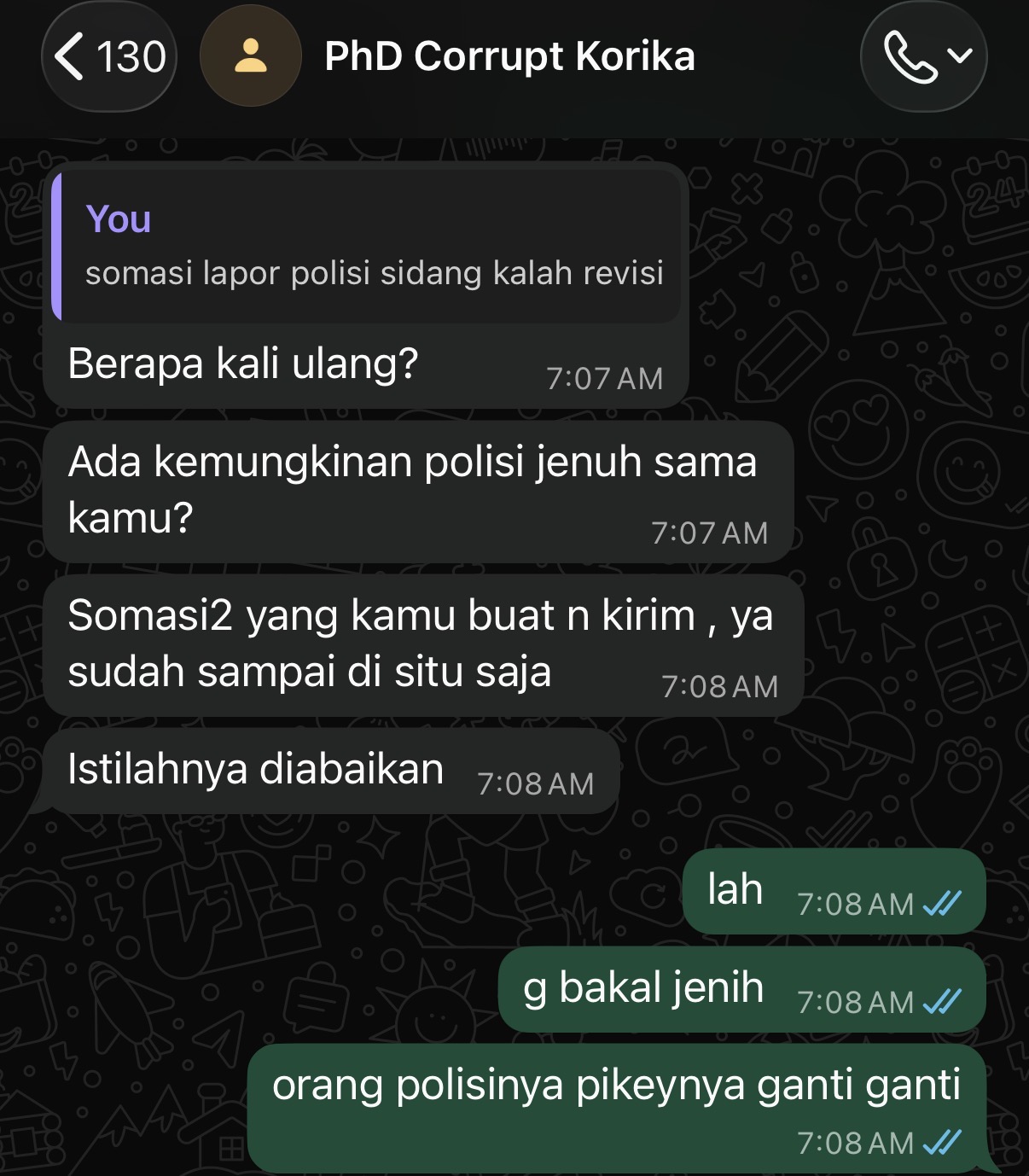
24 — IMG_0189. Police fatigue and the claim that notices were “ignored” require records. The reply that investigators always rotate also does not answer whether any particular filing had merit.

25 — IMG_0190. Comparing investigators with lecturers is a weak analogy. Saying some are lazy or “need to be bribed” is a serious, unsupported generalization in the displayed record and should not be treated as fact.

26 — IMG_0191. The conversation jumps from moral condemnation to Javanese ethics and relativism without defining how those frameworks apply. Naming a framework is not the same as doing the analysis.
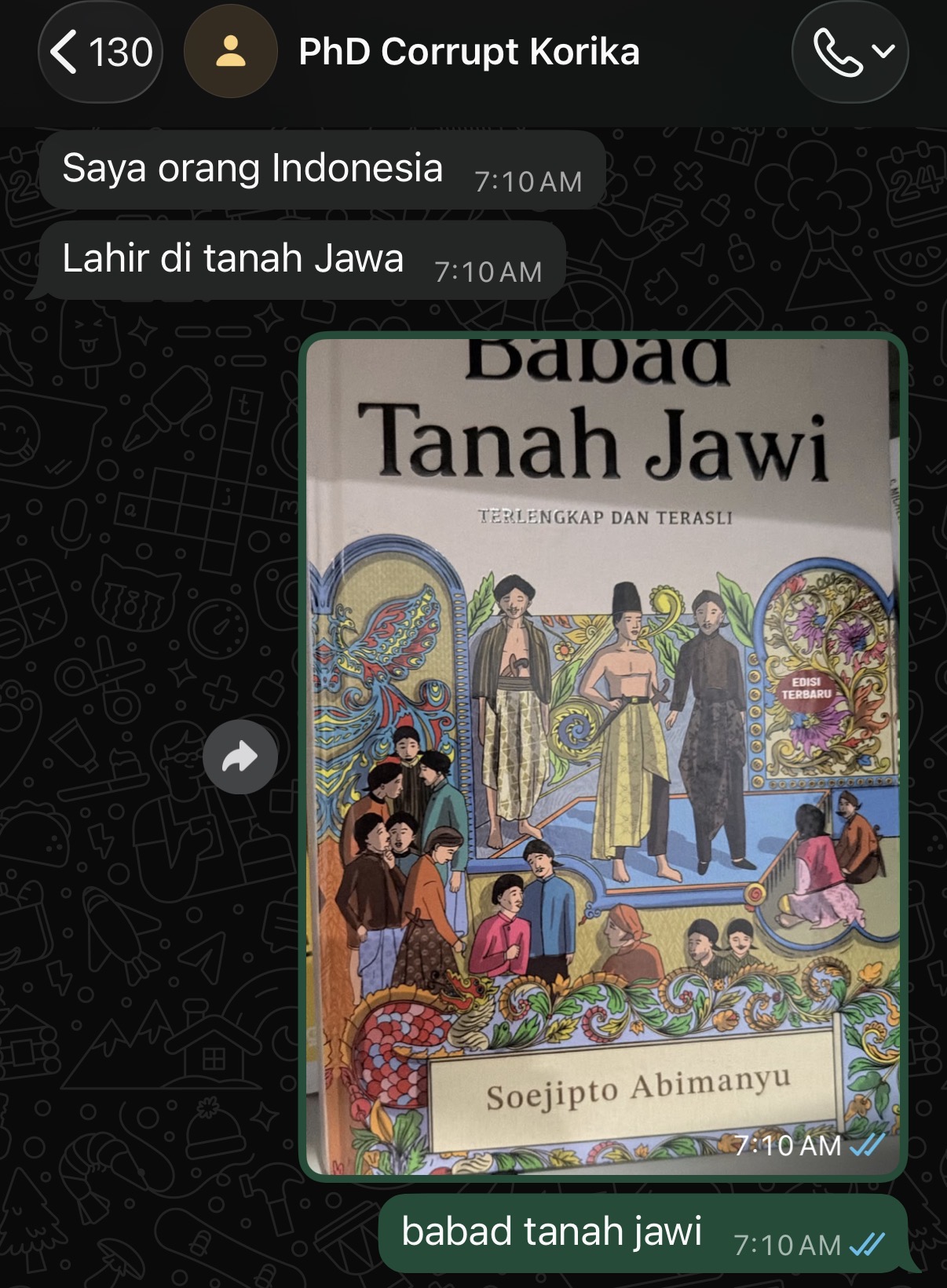
27 — IMG_0192. Identity and cultural texts can explain perspective, but they do not decide the truth of the preceding legal, ethical, or metaphysical claims. Used as proof, this would be an appeal to identity.
What the images support—and what they do not
The images support a narrow documentary conclusion: the conversation repeatedly uses book covers, titles, quotations, analogies, and identity markers while shifting among several unresolved questions. Both visible participants sometimes ask useful clarifying questions. Both also use shortcuts that replace a defined premise with a slogan, metaphor, credential, or insinuation.
The images do not independently establish who controlled the contact, whether the record is complete, whether any book was read or understood, whether any legal notice succeeded or failed, whether any investigator acted improperly, or whether either participant's religious position is correct. Those propositions require different evidence.
A stronger way to conduct the discussion / 更严谨的讨论方式 / Gèng yánjǐn de tǎolùn fāngshì
中文(汉字)
更好的讨论应当一次处理一个命题。引用书籍时,应给出具体章节、论点和适用理由。讨论学历时,应说明相关专业知识如何支持当前问题。使用类比时,应同时说明相似点和不同点。提出法律或警务主张时,应提供文件、日期和案件结果。谈论信仰时,应承认哪些是价值判断,哪些是可以验证的事实。这样,书籍才能成为证据的入口,而不是替代证据的道具。
Hànyǔ Pīnyīn
Gèng hǎo de tǎolùn yīngdāng yí cì chǔlǐ yí gè mìngtí. Yǐnyòng shūjí shí, yīng gěichū jùtǐ zhāngjié, lùndiǎn hé shìyòng lǐyóu. Tǎolùn xuélì shí, yīng shuōmíng xiāngguān zhuānyè zhīshi rúhé zhīchí dāngqián wèntí. Shǐyòng lèibǐ shí, yīng tóngshí shuōmíng xiāngsìdiǎn hé bùtóngdiǎn. Tíchū fǎlǜ huò jǐngwù zhǔzhāng shí, yīng tígōng wénjiàn, rìqī hé ànjiàn jiéguǒ. Tánlùn xìnyǎng shí, yīng chéngrèn nǎxiē shì jiàzhí pànduàn, nǎxiē shì kěyǐ yànzhèng de shìshí. Zhèyàng, shūjí cáinéng chéngwéi zhèngjù de rùkǒu, ér bú shì dàitì zhèngjù de dàojù.
English translation
A stronger discussion would handle one proposition at a time. A book citation should identify the passage, the argument, and why it applies. A degree should be connected to relevant expertise. An analogy should state both its similarities and its limits. Legal or policing claims need documents, dates, and outcomes. Statements of faith should distinguish value judgments from verifiable facts. Books then become doors into evidence rather than props that replace it.
Relation to the earlier Suryadiputra article
This page has a deliberately narrow purpose. The earlier article, Six Acts, One Chat Thread, and a Credential That Kept Losing Arguments, focuses on a separate sequence concerning legal citations, administrative rules, credentials, and proverbs. This article focuses on the “book” sequence and its philosophical reasoning. Keeping the two records separate reduces context collapse and search-intent overlap.
Right of reply and correction policy
Suryadiputra Liawatimena and every participant represented in these images are invited to provide a correction, response, fuller conversation, or evidence of misattribution. A substantive response may be appended subject to privacy, safety, relevance, and verification. Reliable corrections should be recorded with a dated editorial note.
Related reading
- Use A Field Guide to Logical Fallacies to distinguish evidence from authority, ridicule, and personal framing.
- Compare this book-centered record with the separate Suryadiputra Liawatimena credentials and legal-citations analysis.
- Read the broader account of the KORIKA dispute involving Suryadiputra Liawatimena.
- Review another multilingual example in the Rahmat Wibowo–Gatot Gunarso fallacy audit.
Published by Rahmat Wibowo, Founder & CEO, InfraLoka — infraloka.co.id
#LogicalFallacies #CriticalThinking #SuryadiputraLiawatimena #Books #Hanzi #Pinyin #MediaLiteracy