
Telkom AI Center (Indigo) Integrity Line Complaint 001/ADUAN-WBS/RW/XI/2026: What I Asked Telkom to Do
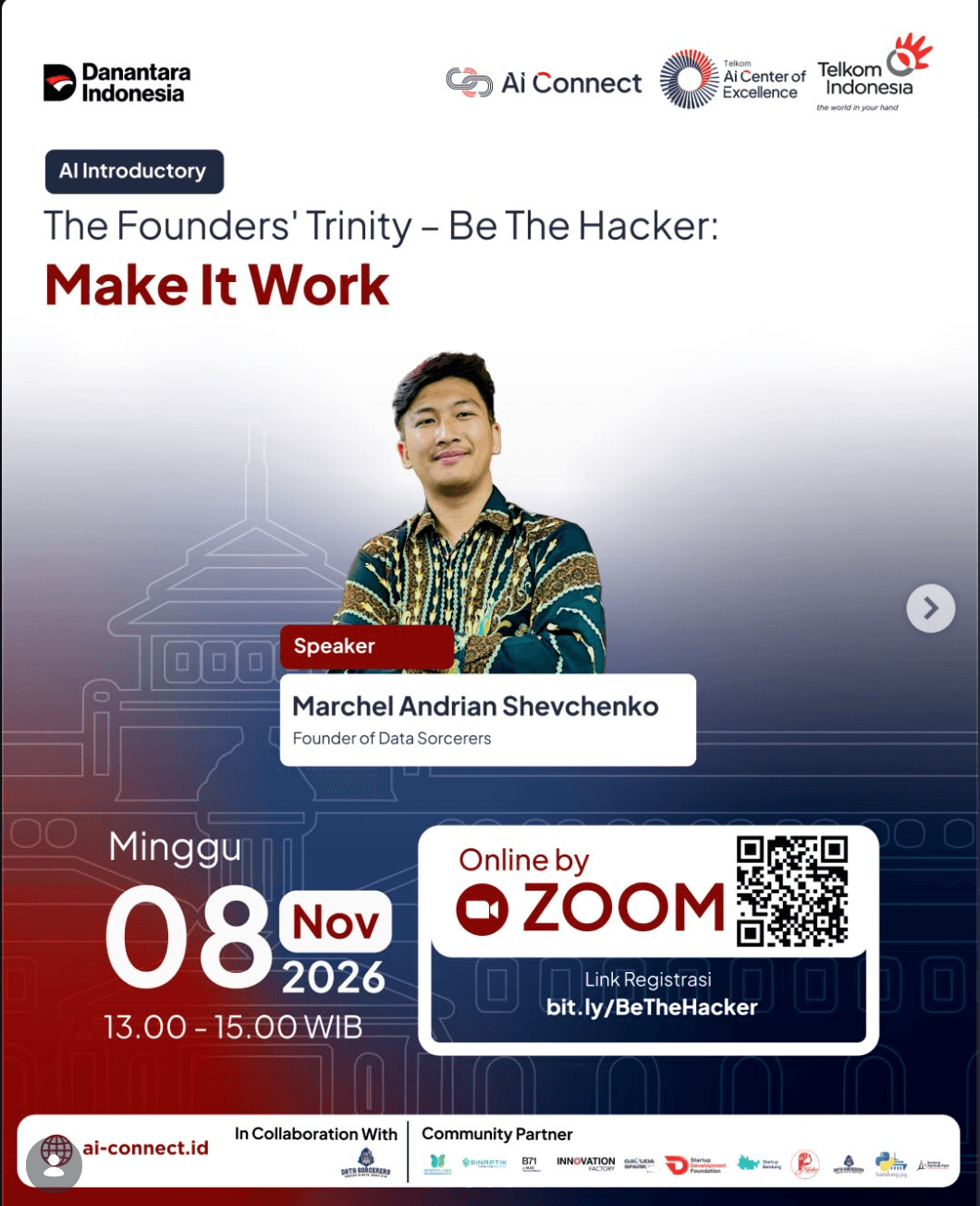
On 8 November 2026 I sent a whistleblowing report to the Telkom Integrity Line about an event that carried Telkom AI Center logos. This article explains what the report asks for, and what it deliberately does not.
A complaint can be a weapon or a request. I wrote this one as a request, and I am publishing its structure so that readers can judge which it is.
This is my own account of a document I filed. It is an allegation and a set of requests, not a finding by Telkom or any authority.
Scope
- Channel: email to the Telkom Integrity Line whistleblowing address.
- Reference: 001/ADUAN-WBS/RW/XI/2026, dated Jakarta, 8 November 2026.
- Subject: (1) due diligence on a speaker at the "AI Introductory: The Founders' Trinity – Be The Hacker" event, which carried Telkom logos, and (2) my removal from the event's WhatsApp group and Zoom session without a chance to explain.
- Attachments: one PDF containing the report, five screenshots (appendix A), a compilation of twelve evidence items about the speaker (appendix K-1), and a formal notice (somasi) I sent the speaker on 29 August 2026 (appendix S-1).
For the sequence of events, see what happened in the group.
What the report says it is not
The report states plainly that I am not asking Telkom to punish anyone. It also states:
- I am not claiming that any credential claim by the speaker has been proven false.
- I am not claiming to know who ran the WhatsApp group or the Zoom meeting.
- I am not claiming Telkom knew of, or approved, any claim the speaker makes in public.
- I am not seeking damages from Telkom.
It says the criminal-law references in the report (Article 272(2) and Article 492 of Law No. 1 of 2023, the new Criminal Code) are context for why credential checks matter, and that applying them is for law-enforcement authorities. It states the unmet elements openly rather than treating them as established.
The seven requests
The report asks the Integrity Line to:
- Verify the speaker's credentials from primary sources: the national higher-education database, and written confirmation from any institution the speaker claims.
- Review how speakers and partners were selected, including possible conflicts of interest around the company listed under "In Collaboration With" on the poster.
- Review my removal: who decided it, under what rule, and whether participants have any way to be heard.
- If the credentials cannot be verified, consider proportionate corrective steps for participants and a tighter selection process for later events.
- Preserve, and not delete, the relevant records: the participant list, the Zoom recording, the WhatsApp group history and the speaker selection file.
- Keep my identity confidential from the parties named, and take no retaliation against me.
- Tell me what follow-up happens, by email.
Requests 2, 3 and 5 are about Telkom's own process. They stand even if every claim about the speaker turns out to have an innocent explanation.
The strongest case on each side
The report sets out three competing readings, and I think the second one deserves attention here.
- My strongest reading: a Telkom-branded event aimed at students and startup founders hosted a speaker whose public credentials may not match official data, and when a participant raised a sourced warning, the response was removal and not verification.
- The strongest reading for the other side: my messages were accusatory, sent without notice into a large group during a live event. Administrators may keep order, and my messages can reasonably be seen as disruption. The speaker may also have legitimate explanations I do not know about.
- A neutral reading: the removal may have been abrupt without being a breach of any rule, and the need to verify credentials stands whatever one thinks of how I was handled.
I said in the report that the second reading has a reasonable basis. I chose a formal integrity channel, instead of arguing on social media, so that the question could be tested against primary records.
Confidentiality and good faith
The report asks that my identity be kept from the people it names. It also states that I filed in good faith, that every screenshot is mine and un-authenticated, and that I will provide the originals and explain the timeline if asked.
Right of reply and correction policy
Telkom Integrity Line, Telkom AI Center of Excellence, AI Connect and anyone named in the underlying report are invited to send a response, correction or added context. A substantive response may be published alongside this article, subject to reasonable editing for privacy, safety and relevance. If reliable evidence shows that any factual statement here is wrong, I will correct it and note the change. I will also update this article if Telkom replies.
Published by Rahmat Wibowo, InfraLoka — infraloka.co.id
#ProfessionalBlacklist #Whistleblowing #TelkomAICenter #Indigo